What to Know Before Choosing 3D Printers
Posted on Saturday, March 21, 2026
To keep this site free for consumers, we receive compensation for customer referrals.
What to Know Before Choosing 3D Printers
3D printers have moved from specialized industrial environments into workshops, classrooms, and home creative spaces. These machines build physical objects layer by layer using digital design files, transforming virtual models into tangible items. For people exploring fabrication, prototyping, or hands-on experimentation, understanding how 3D printers function is an important first step before evaluating specific options.
The category includes a wide range of machines with different printing methods, materials, and levels of complexity. Some are designed for learning and hobby experimentation, while others support more demanding production tasks. Knowing how these systems operate and what features influence results can help clarify which configurations align with your intended use.
The Role of 3D Printers in Modern Fabrication
At their core, 3D printers translate digital designs into three-dimensional objects through additive manufacturing. Instead of cutting or shaping material away from a block, these machines deposit or solidify material in thin layers until the full shape is formed. This approach allows intricate geometries that would be difficult to produce through traditional methods.
Many people use 3D printers to create prototypes, functional components, educational models, and custom tools. The technology is also used for artistic projects, mechanical experimentation, and design exploration. Because the output is driven by digital models, the range of possible objects largely depends on the design files used and the materials supported by the printer.
Understanding this digital-to-physical workflow helps set realistic expectations. Printing typically involves preparing a model, converting it into machine instructions, and allowing the printer to build the object gradually over time.
Common Types of 3D Printing Technologies
Not all 3D printers use the same manufacturing method. Different technologies influence surface finish, material compatibility, and operational complexity.
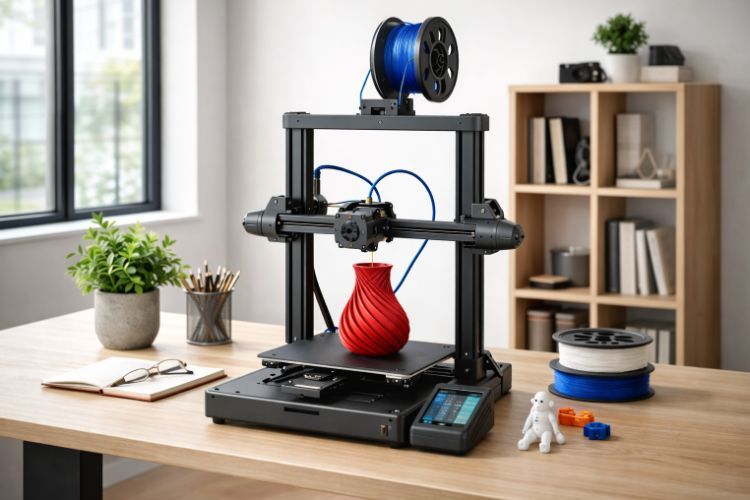
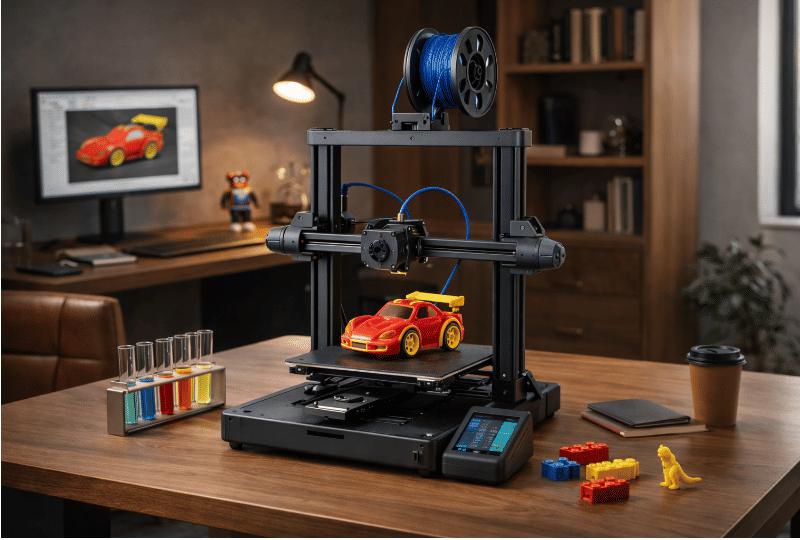
Material extrusion printers are among the most widely recognized formats. These machines melt thermoplastic filament and deposit it through a heated nozzle, building objects layer by layer. The process is relatively accessible and widely used in educational and hobby environments.
Resin-based printers operate using liquid photopolymer materials that solidify when exposed to controlled light sources. This process often produces smoother surface finishes and finer detail but requires additional post-processing steps after printing.
Powder-based systems use finely distributed material that is fused together by heat or binding agents. These systems are more commonly associated with professional or industrial workflows and may support a broader range of materials.
Each method introduces different trade-offs related to speed, precision, material handling, and maintenance requirements. Understanding these distinctions can make the category easier to navigate.
Features That Influence Printing Capability
Several technical features affect how a 3D printer performs in real-world use. These characteristics shape the types of projects the machine can support and how consistently it can produce finished objects.
- Build volume: The printable area determines the maximum size of objects the machine can create. Larger build spaces allow bigger models but may increase machine size and setup requirements.
- Layer resolution: Resolution refers to the thickness of each printed layer. Thinner layers can produce smoother surfaces and finer details but may extend printing time.
- Material compatibility: Different printers support different materials, including thermoplastics, resins, or specialty compounds. Material flexibility expands the range of potential applications.
- Extruder or light system design: The component responsible for depositing or curing material plays a major role in print consistency and reliability.
- Temperature control: Some materials require precise temperature conditions during printing. Machines with controlled heating elements can support a wider range of materials.
- Connectivity and software integration: Many printers connect to computers, wireless networks, or storage devices for file transfer and machine control.
- Calibration systems: Automated or assisted leveling mechanisms can simplify setup and help maintain consistent printing conditions.
How the Printing Workflow Typically Unfolds
Operating a 3D printer generally involves several steps before the printing process begins. First, a digital model must be created or obtained using design software. This model is then processed through specialized software that converts it into layered instructions the printer can interpret.
The printer follows those instructions to deposit or cure material layer by layer. Depending on the object's size and resolution, printing may take anywhere from minutes to several hours. Complex models or fine detail often increase the total printing time.
After printing finishes, additional steps may be required. These can include removing temporary support structures, curing printed material, or lightly finishing surfaces. Understanding this workflow helps clarify the time commitment involved in producing finished objects.
Practical Considerations for Everyday Use
3D printers function as mechanical and digital systems working together. Because of this, usability depends not only on the hardware but also on software tools, calibration routines, and maintenance practices.
Machine setup can involve adjusting build surfaces, loading materials, and confirming calibration settings. Many newer systems aim to simplify these steps, but some level of adjustment is often required. Learning how to prepare files and manage the printing environment is also part of the overall experience.
Workspace considerations can also play a role. Printing may involve heated components, ventilation needs, or space for finished parts and materials. Evaluating where a machine will operate can help ensure the environment supports consistent operation.
Design Constraints and Practical Limits
While 3D printers offer impressive flexibility, they also introduce constraints. Objects must be designed with the printing process in mind, which can include considerations like overhang angles, support structures, and layer orientation.
Print time is another factor that shapes expectations. Larger objects or high-detail settings often require extended build periods. Planning projects around these timelines helps prevent interruptions during longer printing sessions.
Material properties also influence how finished objects behave. Some materials emphasize rigidity, while others provide flexibility or impact resistance. Selecting materials that align with the intended function of the printed object can significantly affect the final outcome.
Situations Where 3D Printers Are Often Used
Different users approach 3D printing for different purposes. Educational environments often use the technology to demonstrate design concepts and manufacturing processes. Students can move from digital modeling to physical objects, helping reinforce engineering and design principles.
Creative professionals may use 3D printers to explore prototypes, sculpture forms, or custom tools. The ability to iterate quickly on design ideas can make the technology valuable in creative workflows.
Home workshops and hobby spaces frequently incorporate 3D printers for building components, replacement parts, and experimental mechanical designs. For many users, the appeal lies in the ability to produce custom items tailored to specific projects.
Evaluating the Category with Clear Expectations
Choosing among 3D printers becomes easier when the intended use is clearly defined. Factors such as material requirements, desired object size, level of detail, and workflow complexity all influence which type of machine may align with a particular project or environment.
Because the category includes a wide range of technologies and configurations, exploring the underlying concepts can make the evaluation process more manageable. With a better understanding of how these machines operate and what features influence performance, comparing different options becomes a more structured and informed process.
Understanding how 3D printers differ in design, materials, and workflow can make the evaluation process much easier. Once you have a sense of the features that matter for your projects, comparing different machines becomes more straightforward. Our site offers tools and guides that help readers review and compare products within this category.

Related Blog Posts