What to Know Before Choosing VR Headsets
Posted on Saturday, May 02, 2026
To keep this site free for consumers, we receive compensation for customer referrals.
What to Know Before Choosing VR Headsets
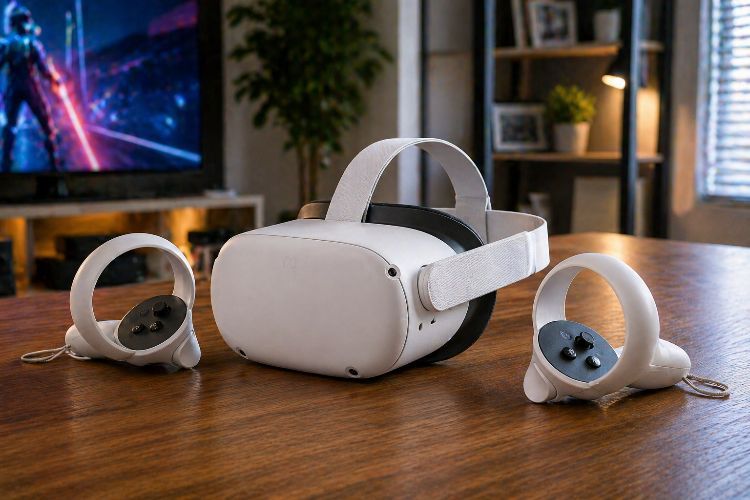
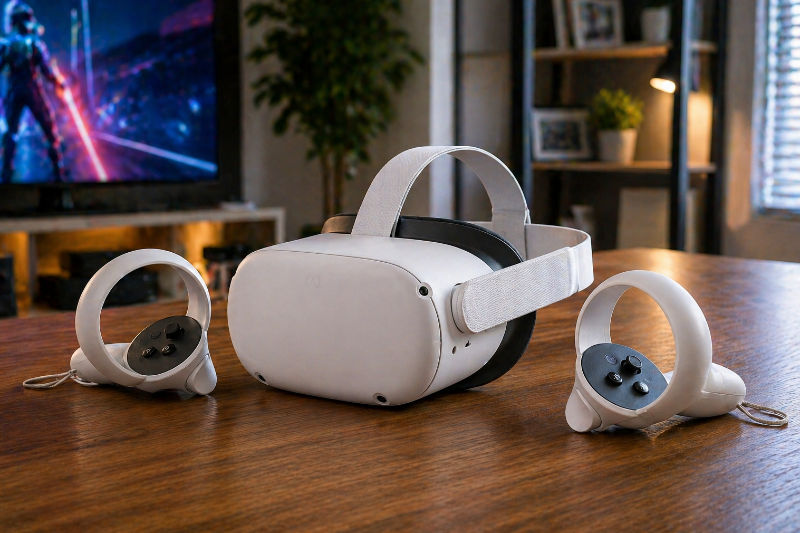
VR headsets are designed to create immersive digital environments that users can explore through visual and motion-based interaction. By placing a display directly in front of the eyes and tracking head movement, these devices simulate a sense of presence within virtual spaces. Understanding how VR headsets function and how they differ can help clarify what matters when evaluating this category.
While the concept centers on immersion, the experience can vary significantly depending on hardware design, tracking capabilities, and content compatibility. Looking beyond surface-level features makes it easier to understand how different headsets align with specific use cases.
How VR Headsets Work in Practice
VR headsets combine displays, sensors, and software to create a responsive visual environment. The screens inside the headset present slightly different images to each eye, creating a sense of depth. At the same time, motion tracking systems adjust the viewpoint in real time as the user moves their head.
This coordination between visual output and motion tracking is what enables a convincing immersive experience. Delays or inconsistencies in this process can affect comfort and usability, making system responsiveness an important factor.
Different Types of VR Headsets
VR headsets are generally categorized based on how they connect to other devices and how processing is handled. Each type reflects a different balance between performance, mobility, and setup complexity.
Standalone Headsets
Standalone headsets operate independently without requiring an external computer or console. All processing, display, and tracking functions are built into the unit.
This design emphasizes convenience and portability, making it easier to use in a variety of spaces without additional equipment.
PC-Connected Headsets
These headsets rely on a separate computer to handle processing tasks. They connect through cables or wireless links, using the external system to run more demanding applications.
This setup can support more complex virtual environments but typically involves a more involved installation process.
Console-Connected Headsets
Console-based systems are designed to work with specific gaming platforms. They bridge the gap between standalone and PC-connected designs by offering structured compatibility within a defined ecosystem.
This category often focuses on ease of integration with existing entertainment setups.
Key Features That Influence the Experience
Several technical and design features shape how a VR headset performs in real-world use. Understanding these elements can help clarify differences between models without relying on surface-level impressions.
- Display resolution: Higher resolution can improve image clarity and reduce visible pixelation, which affects visual immersion.
- Field of view: A wider field of view expands how much of the virtual environment is visible at once.
- Refresh rate: Faster refresh rates can create smoother motion, which may influence comfort during extended sessions.
- Tracking system: Headsets use internal or external sensors to track movement, affecting accuracy and responsiveness.
- Controllers and input: Handheld controllers or gesture tracking systems determine how users interact with virtual environments.
- Ergonomics: Weight distribution, padding, and adjustability contribute to overall comfort.
- Audio integration: Built-in or external audio options shape the sense of immersion and spatial awareness.
These features interact in ways that can influence both usability and the overall experience.
How Design Impacts Everyday Use
The physical and technical design of a VR headset plays a significant role in how it fits into daily routines. Standalone units are often easier to set up and use quickly, while connected systems may require dedicated space and more preparation.
Comfort becomes increasingly important during longer sessions. Factors such as weight balance and ventilation can affect how long a headset can be worn without interruption.
Ease of navigation within menus and applications also contributes to usability. Systems with intuitive interfaces may reduce the learning curve for new users.
Trade-Offs and Practical Limitations
VR headsets involve trade-offs between performance, convenience, and flexibility. Standalone designs prioritize accessibility but may have limitations in processing power. External systems can support more demanding applications but require additional hardware and setup.
Physical space is another consideration. Some experiences are designed for seated use, while others require room for movement. Understanding these requirements helps set realistic expectations for how the headset will be used.
Content availability can also vary depending on the system. Not all platforms support the same applications, which may influence how the device is used over time.
Where VR Headsets Make Sense
VR headsets are commonly used for gaming, virtual exploration, training simulations, and interactive media. The relevance of the category often depends on how immersive experiences fit into a user’s interests or routines.
Those seeking casual, flexible use may prioritize ease of setup and portability, while users interested in more complex applications may focus on performance and compatibility. The intended use case helps determine which features carry the most importance.
Shared environments, such as living spaces or work areas, may also influence how practical a VR setup is. Factors like available space and frequency of use can shape the overall experience.
Making a More Informed Decision
Choosing a VR headset involves understanding how different systems balance immersion, usability, and technical requirements. By focusing on how features translate into real-world use, it becomes easier to identify which designs align with specific needs.
A clear view of these considerations can simplify the evaluation process and reduce uncertainty. Visit our site for more insights that help clarify product categories and support confident, independent decision-making.

Related Blog Posts