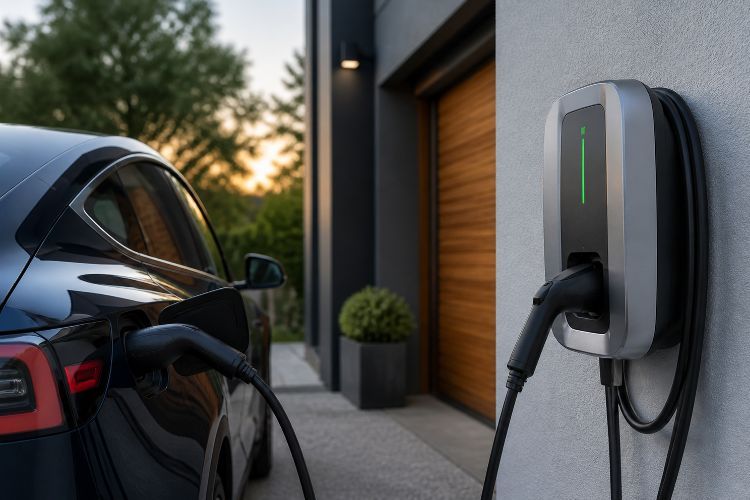
Understanding EV Charger Types and Installation
Posted on Thursday, May 07, 2026
To keep this site free for consumers, we receive compensation for customer referrals.
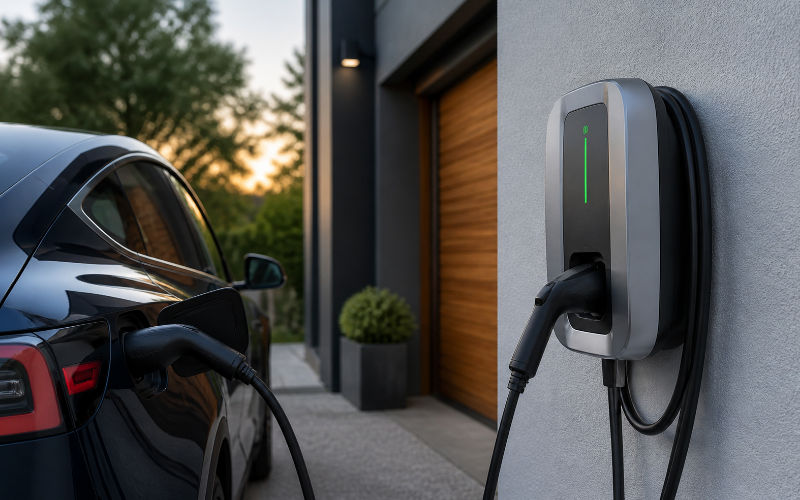
Understanding EV Charger Types and Installation
EV chargers play a central role in how electric vehicles are integrated into daily routines. While the concept of charging may seem straightforward, the category includes a range of equipment types, electrical requirements, and installation considerations that can significantly affect usability and long-term convenience. Understanding these variables helps clarify what type of setup aligns with different driving patterns and home or facility constraints.
Rather than focusing only on charging speed, evaluating EV chargers involves looking at power delivery, infrastructure compatibility, and how installation decisions influence everyday use. A more detailed view of the category reveals how these systems function as part of a broader electrical environment.
How EV Charging Systems Function
EV chargers do not generate electricity; they manage and deliver power from an electrical source to the vehicle in a controlled manner. This includes communication between the charger and the vehicle to regulate current, ensure safety, and optimize charging conditions.
The rate at which energy is delivered depends on both the charger’s capacity and the vehicle’s onboard charging system. This means that even higher-capacity equipment may not always translate to faster charging if the vehicle itself has limitations.
Primary EV Charger Types Explained
EV chargers are generally categorized by their power output and intended use environment. These distinctions influence installation complexity, charging time, and infrastructure requirements.
Level 1 chargers use standard household electrical outlets and provide lower power output. They are typically associated with slower charging rates and minimal installation requirements, making them more accessible in existing residential setups.
Level 2 chargers operate on higher-voltage circuits and deliver significantly more power. These systems are commonly used in residential, commercial, and shared environments where faster turnaround times are needed. Installation usually involves dedicated circuitry and professional electrical work.
DC fast charging systems deliver power directly to the vehicle’s battery at much higher rates. These are typically used in public or commercial settings due to their substantial electrical demands and infrastructure requirements. They are less common in residential contexts because of installation complexity.
Installation Factors That Shape the Experience
Installing an EV charger involves more than selecting a unit. Electrical capacity, panel availability, and physical layout all influence what is feasible within a given space. In many cases, existing electrical systems may need to be evaluated to determine whether upgrades are required.
Distance between the electrical panel and the charging location can affect installation complexity. Longer distances may require additional wiring and conduit, which can influence both planning and execution. Placement also impacts day-to-day convenience, particularly in garages or shared parking areas.
Key Features to Evaluate in EV Chargers
- Power output capacity: Determines how quickly energy can be delivered, within the limits of the vehicle’s onboard system.
- Connector compatibility: Ensures the charger can interface with the vehicle without additional adapters.
- Cable length and management: Affects ease of use, especially in varied parking configurations.
- Smart functionality: Some systems include connectivity features for scheduling, monitoring, or energy tracking.
- Weather resistance: Important for outdoor installations or exposed environments.
Electrical Infrastructure Considerations
One of the more nuanced aspects of EV charger installation is how it integrates with existing electrical infrastructure. Panel capacity must be sufficient to handle additional load, particularly for higher-powered systems. In some cases, load management strategies may be used to balance energy use across the household.
Circuit allocation is another key factor. Dedicated circuits are typically required for higher-capacity chargers to ensure consistent and safe operation. This can influence how space within the electrical panel is utilized.
Real-World Usage Patterns
Charging behavior often differs from initial expectations. Many users rely on overnight charging, which places less emphasis on maximum speed and more on consistency and convenience. In these cases, reliability and ease of access may matter more than peak output.
For environments with multiple users or higher daily driving demands, faster charging systems may become more relevant. However, these setups often require more deliberate planning and coordination with electrical infrastructure.
Trade-Offs and Practical Constraints
Each charger type involves trade-offs between speed, installation complexity, and infrastructure demands. Higher-powered systems can reduce charging time but may require electrical upgrades and more involved installation processes.
Lower-powered systems are easier to integrate into existing setups but may not meet the needs of all driving patterns. Balancing these factors requires an understanding of both current and anticipated usage.
Physical constraints, such as available mounting space and environmental exposure, can also influence which configurations are practical. These considerations often shape the final setup as much as technical specifications do.
Use Cases and Installation Scenarios
In residential settings, EV chargers are often installed in garages or driveways, where proximity to the electrical panel and vehicle parking position play a central role. Simpler setups may prioritize minimal installation changes, while more advanced configurations focus on reducing charging time.
Shared or multi-unit environments introduce additional considerations, including access control, load distribution, and user coordination. These scenarios may require more structured infrastructure planning.
Commercial and public installations tend to emphasize accessibility and throughput. In these cases, higher-capacity systems and more robust infrastructure are typically involved.
Building a Clear Evaluation Framework
Understanding EV charger types and installation requirements helps create a more structured approach to evaluating options. Rather than focusing on individual features in isolation, it becomes easier to assess how different elements work together within a specific environment.
Taking into account electrical capacity, installation constraints, and expected usage patterns can clarify which configurations are most appropriate. With a clear framework in place, comparing options becomes a more informed and manageable process.
For more in-depth guidance on navigating product categories like this, visit our site to explore additional resources designed to support confident, independent evaluation.

Related Blog Posts