








We also considered 10 others:


Our Top Choice
Compare Features


The order above is not editorial opinion, and it is not paid placement. It comes from what shoppers across our network actually do - which ring spotlight cameras they compare, and which they ultimately buy. We re-rank as new data comes in, so the long-term favorites have to keep earning their spot against new entrants. The full method, including how we make money.
Ring Spotlight Cameras Buyer's Guide
A spotlight camera has to balance camera placement with light placement: the best angle for faces is not always the best angle for illuminating a driveway, side yard, gate, or porch. For this category, the biggest checks are whether the light pattern actually covers the dark zone you care about, whether motion alerts can be tuned to avoid constant nuisance triggers, and whether the power and subscription model fit how you expect to use recorded video.
Video
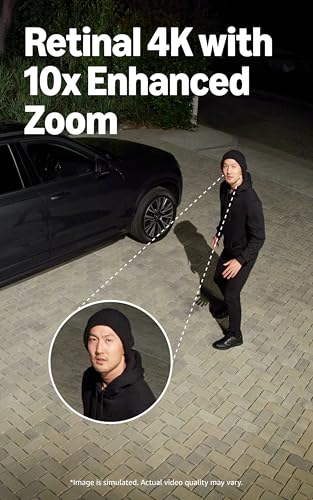
You want clear, sharp video so you can actually identify faces, license plates, packages, or activity rather than just see that something happened. Look for strong daytime image quality, effective night vision, a wide enough field of view to cover the area you care about, and brightness handling that doesn’t wash out faces in glare or hide details in shadows. Be careful with cameras that advertise high resolution but have poor low-light performance, narrow viewing angles, or digital zoom that gets blurry when you need details most.
Prioritize a camera that can identify faces, clothing, vehicles, and package areas at the exact mounting height you plan to use, not just one that advertises high resolution. For spotlight use, check night performance with the light on and off, because reflective siding, wet pavement, license plates, and close walls can wash out the image; a wide or tall field of view is especially useful if you need to see both a visitor’s face and the ground near a door or steps. Owner feedback supports making video a top priority: shoppers consistently praise clear, sharp daytime footage, useful nighttime visibility, and bright lighting that helps expose large dark areas.
Quality
You want a security camera that keeps working day and night, not one that fails when weather, power interruptions, or heavy use put it under stress. Look for solid construction, dependable connectivity, consistent recording and alerts, and weather resistance if it will be used outdoors; watch out for flimsy mounts, frequent disconnects, overheating, or reviews that mention premature failure.
Look for weather-ready construction, a secure mount that will not drift in wind, and dependable app access, because an outdoor spotlight camera often sits in the hardest location on the home: exposed eaves, corners, garages, fences, and side yards. If the camera is meant to replace a security light, judge it as both a light and a camera; a unit that records well but has weak lighting, poor Wi‑Fi stability, or inconsistent remote access can leave a blind spot. Owner sentiment is generally reassuring here, with many buyers describing these cameras as reliable, well-made, effective for security lighting and monitoring, and capable of clear day-and-night video; some upgraded models are also credited with stronger Wi‑Fi, better zoom, and faster alerts.
Setup
Setup matters because even a great security camera won’t help much if it’s difficult to mount, connect, or configure where you need it. Look for clear installation steps, flexible mounting options, reliable app pairing, and power requirements that fit your space, and watch out for cameras that need complicated wiring, weak Wi-Fi placement, or extra hardware to get working.
Before buying, decide whether your location needs battery, wired, plug-in, or solar support, and verify that the mounting surface, outlet or junction box, and Wi‑Fi signal are suitable at that exact spot. Battery setups avoid electrical work but require access for recharging and careful motion-zone tuning; wired replacements are often cleaner for driveways and garages but may need proper outdoor-rated wiring and breaker safety. Owners commonly describe installation and app onboarding as quick and straightforward, especially with QR-code style setup, app linking, organized hardware, and simple additions to an existing camera system.
Detection
Detection determines how reliably your security camera notices activity, follows movement, and alerts you when something matters. Look for adjustable motion zones, sensitivity controls, person/pet/package recognition if you need it, and fast, accurate notifications; watch out for cameras that trigger too many false alerts from shadows, cars, or pets, or miss motion at the edges of the frame.
For a spotlight camera, motion detection is often the make-or-break feature: choose one with adjustable motion zones, sensitivity controls, people-focused alerts if available, and enough mounting flexibility to avoid streets, sidewalks, trees, flags, pets, and passing headlights. Corner mounts, long driveways, and side yards can be tricky because the camera may either miss people approaching from the edge or over-alert on background movement, so plan to spend time tuning zones after installation. Owner reports match that caution: many find alerts fast, useful, and reliable, but feedback is mixed because some setups are too sensitive, miss notifications, or vary depending on location, settings, connectivity, and expectations.
Features
Extra features determine how well a security camera fits your space and daily routine, so look for functionality you’ll actually use: pan-tilt adjustability for wider coverage, built-in lighting for dark areas, flexible storage options, and customizable motion zones or alerts. Watch out for features that sound helpful but depend on subscriptions, weak app controls, or limited camera modes, since they can affect how much control and value you get over time.
Focus on spotlight-specific features first: adjustable brightness, controllable light zones or schedules, siren behavior, two-way talk clarity, privacy zones, and whether lights can be aimed without forcing the camera into a bad viewing angle. For driveways, yards, and carports, adjustable illumination matters more than raw brightness alone; for porches and narrow side paths, overly aggressive lighting can annoy neighbors or create glare close to the lens. Owners often like the combination of phone monitoring, strong lighting, and practical app-based viewing, and they frequently praise bright adjustable lights for covering larger outdoor areas, though some report uneven lighting behavior such as lights shutting off or staying on unexpectedly.
Value
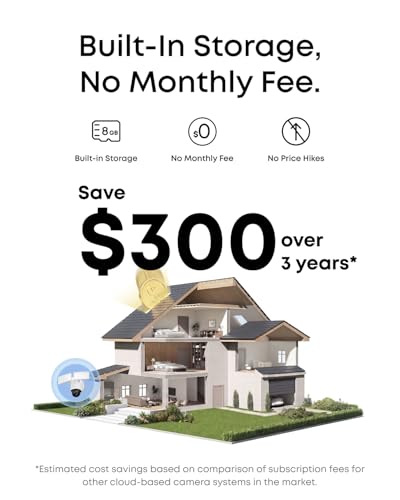
A security camera’s real cost goes beyond the upfront price, so you should consider whether key features like cloud storage, smart alerts, or video history require a subscription. Look for a camera that gives you the level of monitoring and storage you actually need without locking essential functions behind ongoing fees, and weigh any recurring costs against the reliability, image quality, and features you get in return.
Judge value by the total system you will actually use: power accessories, extra mounts, cloud video history, advanced detection, and whether you need multiple cameras to cover all approaches without gaps. A spotlight camera can feel worthwhile if it reliably replaces a security light and adds usable alerts and recordings, but it can disappoint if key features require an ongoing plan or if a premium upgrade does not meaningfully improve your specific view, Wi‑Fi reach, or detection needs. Owner sentiment is divided in the same way: many see strong value from combined lighting, monitoring, and smart features, while others warn that long-term usefulness can depend on connectivity, subscription-based video history or advanced functions, battery performance, and durability over time.
1,000,000+ shoppers use Buyer's Guide every week to find the best products and services online.

Helping millions of users make smarter purchases online.


