











We also considered 10 others:


Our Top Choice
Compare Features


The order above is not editorial opinion, and it is not paid placement. It comes from what shoppers across our network actually do - which ring flood lights they compare, and which they ultimately buy. We re-rank as new data comes in, so the long-term favorites have to keep earning their spot against new entrants. The full method, including how we make money.
Ring Flood Lights Buyer's Guide
A floodlight camera has to do two jobs at once: light a wide outdoor area without glare and capture usable security footage from a fixed, often high mounting point. The sharpest concerns are whether your existing wiring and Wi-Fi can support the install, and whether motion detection can be tuned so headlights, animals, and trees do not turn the system into a nuisance.
Video
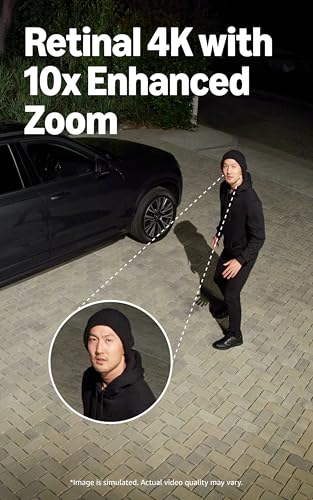
You want clear, sharp video so you can actually identify faces, license plates, packages, or activity rather than just see that something happened. Look for strong daytime image quality, effective night vision, a wide enough field of view to cover the area you care about, and brightness handling that doesn’t wash out faces in glare or hide details in shadows. Be careful with cameras that advertise high resolution but have poor low-light performance, narrow viewing angles, or digital zoom that gets blurry when you need details most.
Prioritize usable identification at the actual mounting height, not just a high resolution spec: check the camera’s field of view, whether faces are still recognizable from your eave or garage corner, and whether the lights create glare or wash out plates and faces at night. For larger driveways or side yards, look for enough lumen output and aimable lamp heads to light the whole approach without blinding the camera; for narrow walkways, avoid overly broad lighting that spills into neighbors’ windows. Owner feedback supports this as a strength overall, with many reporting clear daytime and nighttime footage, strong night visibility, and floodlights bright enough to reveal large dark areas around the home.
Quality
You want a security camera that keeps working day and night, not one that fails when weather, power interruptions, or heavy use put it under stress. Look for solid construction, dependable connectivity, consistent recording and alerts, and weather resistance if it will be used outdoors; watch out for flimsy mounts, frequent disconnects, overheating, or reviews that mention premature failure.
For an outdoor floodlight camera, quality means weather durability, stable mounting, heat handling, and reliable operation after months of sun, rain, and motion-triggered light cycles—not just a sharp image on day one. Check for a robust junction-box mount, gasketed outdoor installation, corrosion-resistant hardware, and a housing that lets you aim both the camera and lights without drooping over time. Owners generally describe these units as solid security-light/camera packages, often praising reliable monitoring, clear video, dependable camera performance, and long-term use over several years.
Features
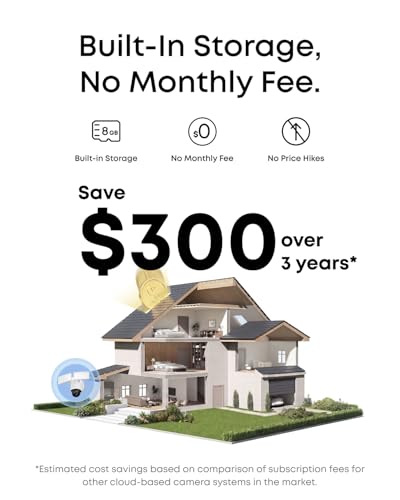
Extra features determine how well a security camera fits your space and daily routine, so look for functionality you’ll actually use: pan-tilt adjustability for wider coverage, built-in lighting for dark areas, flexible storage options, and customizable motion zones or alerts. Watch out for features that sound helpful but depend on subscriptions, weak app controls, or limited camera modes, since they can affect how much control and value you get over time.
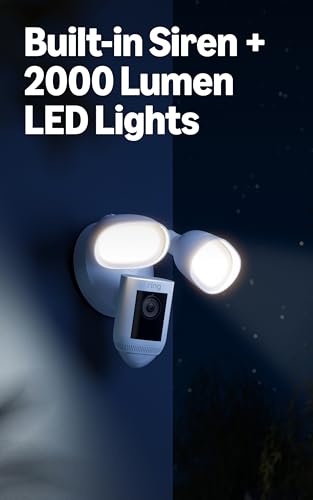
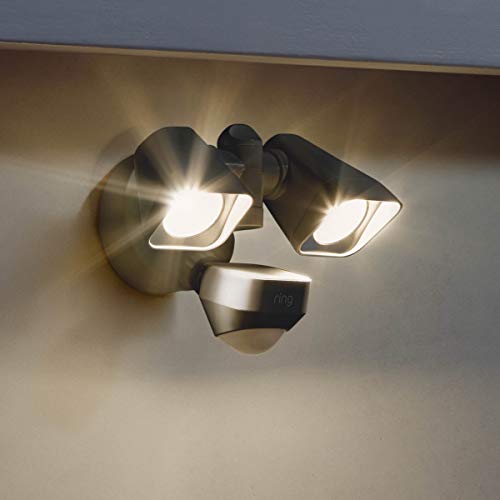
Choose features around the exact area you need to control: independently adjustable light heads, adjustable brightness or schedules, two-way talk that is loud enough outdoors, siren controls you will not trigger accidentally, and app settings for separate camera, light, and notification behavior. If the light faces a street, driveway, or shared fence line, motion-activated lighting and privacy/motion zones matter more than flashy extras because they prevent constant alerts and nuisance lighting. Owner sentiment backs the core feature set, with frequent praise for bright adjustable floodlights, app access, two-way talk, night vision, and motion-activated lighting that improves coverage for driveways, yards, and carports.
Setup
Setup matters because even a great security camera won’t help much if it’s difficult to mount, connect, or configure where you need it. Look for clear installation steps, flexible mounting options, reliable app pairing, and power requirements that fit your space, and watch out for cameras that need complicated wiring, weak Wi-Fi placement, or extra hardware to get working.
Before buying, verify the installation path: most floodlight cameras are easiest when replacing an existing hardwired floodlight on a weatherproof junction box with proper line voltage, ground, and enough clearance to aim the lamps. If you are mounting under an eave or on a wall, confirm the product supports that orientation, that the backplate covers your box, and that you are comfortable shutting off power or hiring an electrician; battery-style alternatives avoid wiring but usually trade away continuous power and strong lighting. Owners consistently describe installation and app onboarding as straightforward, especially when replacing an older fixture, with many saying setup is quick even for less tech-savvy buyers or multi-device homes.
Detection
Detection determines how reliably your security camera notices activity, follows movement, and alerts you when something matters. Look for adjustable motion zones, sensitivity controls, person/pet/package recognition if you need it, and fast, accurate notifications; watch out for cameras that trigger too many false alerts from shadows, cars, or pets, or miss motion at the edges of the frame.
For this category, detection performance depends heavily on placement: avoid aiming the sensor at busy streets, swaying trees, reflective cars, or HVAC exhaust, and look for adjustable motion zones, sensitivity, light-trigger zones, and person/animal/package filtering if available. Mount height and angle are critical; too high can miss faces and reduce sensor reliability, while too low can create false alerts from pets or passing headlights. Owner feedback is more mixed here than for video or setup: many find alerts accurate and controls useful, but others report overly sensitive detection, location-dependent performance, or AI that can mistake animals or objects for people.
Connectivity
Reliable connectivity determines whether your security camera can send alerts, stream video, and record events when you need it, so check that it supports your home’s Wi-Fi setup and can maintain a strong signal where you plan to install it. Look for clear compatibility with your phone, smart home platform, and network band, and be cautious with cameras placed far from the router, behind thick walls, or outdoors where wireless range and stability can drop.
Treat Wi-Fi strength at the floodlight location as a buying requirement, not an afterthought: test signal where the camera will sit, especially on garages, eaves, brick walls, detached structures, or metal siding that can weaken the connection. Look for support for the bands your router uses, enough upload bandwidth for live view and recordings, and a plan for a mesh node or extender if the fixture is far from the router; also consider whether any app, chime, hub, or voice-assistant integration requires extra hardware. Owners often find connection and app setup easy when the signal is good, but connectivity is the biggest watch-out, with some reporting offline cameras, manual reboots, difficult pairing, or limitations that require additional gear.
1,000,000+ shoppers use Buyer's Guide every week to find the best products and services online.

Helping millions of users make smarter purchases online.


