








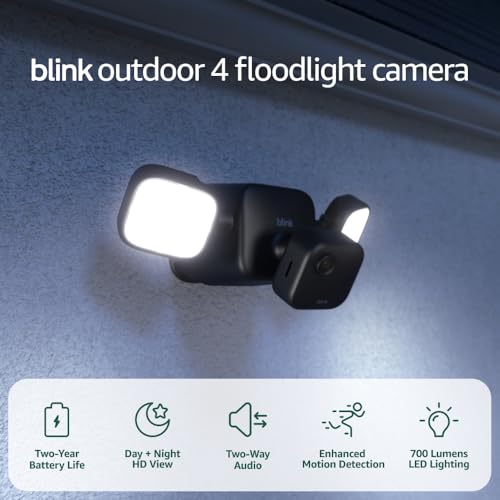


We also considered 10 others:


Our Top Choice
Compare Features


The order above is not editorial opinion, and it is not paid placement. It comes from what shoppers across our network actually do - which outdoor floodlight cameras they compare, and which they ultimately buy. We re-rank as new data comes in, so the long-term favorites have to keep earning their spot against new entrants. The full method, including how we make money.
Outdoor Floodlight Cameras Buyer's Guide
Outdoor floodlight cameras have to do two jobs at once: light a large exterior zone without annoying the household or neighbors, and capture usable evidence when motion happens at night. The sharpest checks are power and network reliability at the mounting spot, plus whether the light and motion controls can be tuned for your driveway, yard, side gate, or carport rather than treating every moving branch or animal as an emergency.
Video
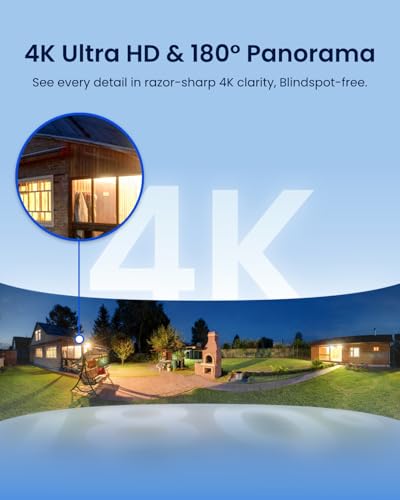
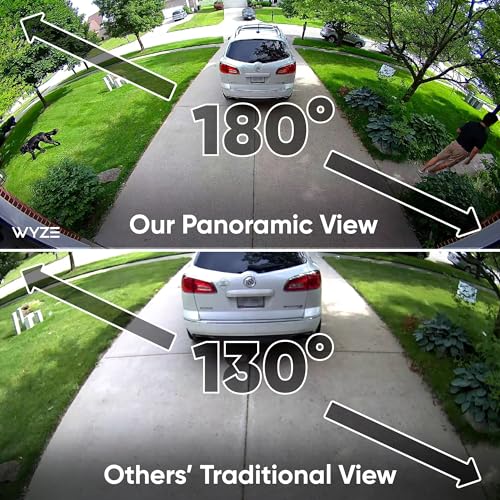
You want clear, sharp video so you can actually identify faces, license plates, packages, or activity rather than just see that something happened. Look for strong daytime image quality, effective night vision, a wide enough field of view to cover the area you care about, and brightness handling that doesn’t wash out faces in glare or hide details in shadows. Be careful with cameras that advertise high resolution but have poor low-light performance, narrow viewing angles, or digital zoom that gets blurry when you need details most.
Prioritize evidence-grade coverage, not just a high resolution spec: check the camera’s field of view against the exact approach paths you need covered, confirm that faces, plates, packages, and gate activity stay clear at the likely mounting height, and look for strong night performance when the floodlights are on and when they are off. For wide driveways or yards, a broader view or higher-resolution sensor can help, but only if the image remains clear after digital zoom and does not wash out close subjects under bright LEDs. Owner feedback supports making video a top criterion: buyers repeatedly praise clear daytime and nighttime footage, sharp images, strong night visibility, bright floodlights that reveal large dark areas, and high-resolution images that remain useful when zooming for home-security monitoring.
Quality
You want a security camera that keeps working day and night, not one that fails when weather, power interruptions, or heavy use put it under stress. Look for solid construction, dependable connectivity, consistent recording and alerts, and weather resistance if it will be used outdoors; watch out for flimsy mounts, frequent disconnects, overheating, or reviews that mention premature failure.
Choose a unit built like an exterior electrical fixture, not just an indoor camera with lights attached: look for a weather-rated housing, secure light/camera joints that hold aim after wind or vibration, sealed wiring areas, and a design that can tolerate heat from LEDs plus sun exposure. Also consider whether the camera, lights, siren, sensor, and app controls remain reliable as one system, because a floodlight camera fails its purpose if the camera works but the fixture, alerts, or controls become inconsistent. Owner sentiment is generally encouraging here, with many buyers describing these devices as reliable, well-made security cameras that work well for phone monitoring, everyday use, night coverage, and broader property awareness.
Setup
Setup matters because even a great security camera won’t help much if it’s difficult to mount, connect, or configure where you need it. Look for clear installation steps, flexible mounting options, reliable app pairing, and power requirements that fit your space, and watch out for cameras that need complicated wiring, weak Wi-Fi placement, or extra hardware to get working.
Before buying, identify the power path at the exact mounting location: replacing an existing exterior floodlight is usually the simplest route, while new hardwired locations may require a junction box, proper weatherproof mounting, and possibly an electrician; battery, solar, or PoE-style setups solve different problems but require their own mounting and cable-planning checks. Confirm the backplate fits your junction box, the camera can be aimed after installation, the app supports adding the device before you climb the ladder repeatedly, and the Wi-Fi or network test is done at the final height, not indoors near the router. Owner reports align with this: setup is often described as straightforward, especially when replacing an existing floodlight, with many buyers finding app setup, hardware organization, PoE discovery, and multi-camera additions manageable even without much technical confidence.
Features
Extra features determine how well a security camera fits your space and daily routine, so look for functionality you’ll actually use: pan-tilt adjustability for wider coverage, built-in lighting for dark areas, flexible storage options, and customizable motion zones or alerts. Watch out for features that sound helpful but depend on subscriptions, weak app controls, or limited camera modes, since they can affect how much control and value you get over time.
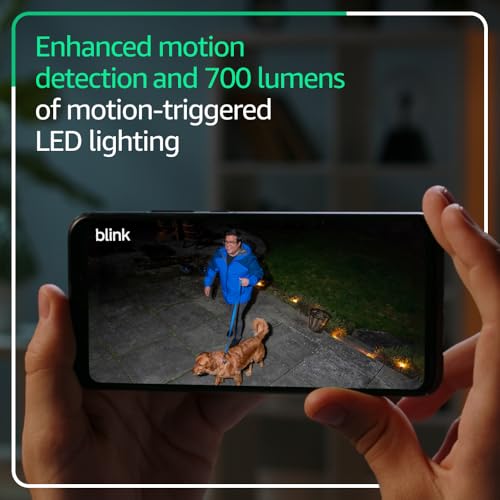
Focus on controllable lighting and motion behavior: look for adjustable brightness, separate light and camera motion zones, schedules, sensitivity settings, person/vehicle/package filtering where available, and manual override options so the lights do not blind neighbors, stay on all night, or miss the side path you actually care about. Treat lighting reliability as a critical feature, because some floodlight cameras can keep recording while the lights misbehave, which reduces deterrence and nighttime visibility. Owner feedback backs both sides: buyers like bright, adjustable floodlights that cover driveways, yards, and carports without always feeling excessive, but motion detection is more mixed and the lighting system is a common watch-out, with reports of lights shutting off, staying on, or having control failures even when the camera still works.
Connectivity
Reliable connectivity determines whether your security camera can send alerts, stream video, and record events when you need it, so check that it supports your home’s Wi-Fi setup and can maintain a strong signal where you plan to install it. Look for clear compatibility with your phone, smart home platform, and network band, and be cautious with cameras placed far from the router, behind thick walls, or outdoors where wireless range and stability can drop.
Test connectivity as if security depends on the worst moment: exterior walls, metal garage doors, masonry, distance from the router, and crowded Wi-Fi bands can all weaken a camera mounted exactly where coverage is needed. For Wi-Fi models, check signal strength at the mounting point, consider mesh placement or a nearer access point, and prefer wired networking where available for critical entrances; also verify that alerts, live view, and recordings recover gracefully after a power or internet outage. Owner sentiment is notably mixed: some buyers get quick app connection and better-than-expected range, while others struggle to connect, see cameras go offline, need manual reboots, or get unreliable alerts and AI classifications that can mistake animals or objects for people.
Value
A security camera’s real cost goes beyond the upfront price, so you should consider whether key features like cloud storage, smart alerts, or video history require a subscription. Look for a camera that gives you the level of monitoring and storage you actually need without locking essential functions behind ongoing fees, and weigh any recurring costs against the reliability, image quality, and features you get in return.
Judge value by total security coverage, not the sticker appeal of a camera-light bundle: compare whether one unit can cover the whole driveway or yard, whether local storage or cloud storage fits your needs, whether a subscription is required for the features you expect, and whether you would still need extra lights, chimes, sensors, or network gear. A cheaper unit is not good value if it misses events, loses connection, or has unreliable lighting at the only entrance you need protected. Owner feedback generally supports the category’s value when the basics are solid: buyers often feel the combined light-and-camera package is worthwhile, especially when installation is easy, lighting is effective, app monitoring is useful, wide coverage is included, and no-subscription or low-ongoing-cost options reduce long-term expense.
1,000,000+ shoppers use Buyer's Guide every week to find the best products and services online.

Helping millions of users make smarter purchases online.


