













We also considered 10 others:


Our Top Choice
Compare Features


The order above is not editorial opinion, and it is not paid placement. It comes from what shoppers across our network actually do - which tens units for sciatica they compare, and which they ultimately buy. We re-rank as new data comes in, so the long-term favorites have to keep earning their spot against new entrants. The full method, including how we make money.
TENS Units for Sciatica Buyer's Guide
Sciatica TENS buying is about balancing enough output to reach deep low-back and glute-related pain without losing fine control over sensitive nerve-path areas down the leg. The sharpest concerns are electrode placement flexibility, separate channel control, pad adhesion during sitting or walking, and safety screening if you have an implanted device, pregnancy, epilepsy, reduced sensation, or another condition that requires clinician guidance.
Relief
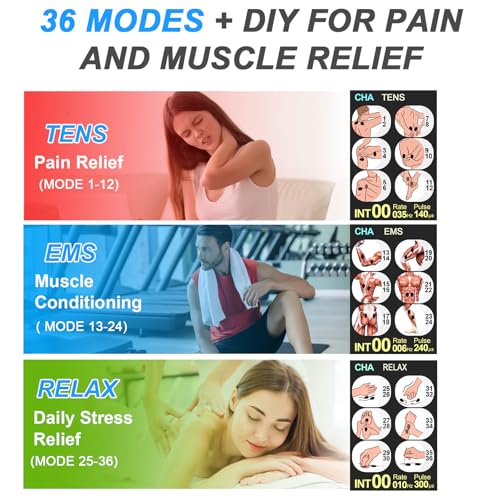
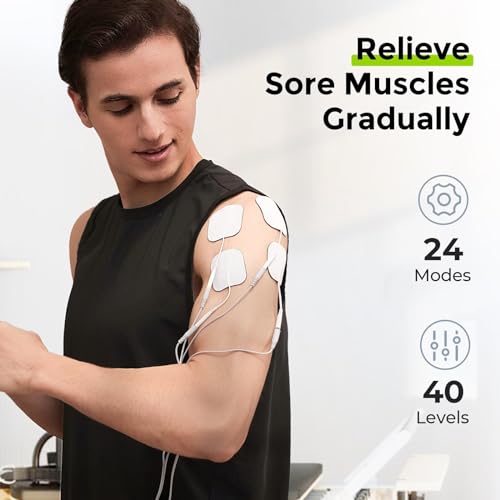
Relief matters because a TENS unit is only useful if it noticeably reduces your pain, eases muscle tension, or helps you relax during and after a session. Look for adjustable intensity levels, multiple modes, and settings that let you fine-tune the sensation to your body, and be cautious of units that feel too weak, too harsh, or inconsistent across treatment areas.
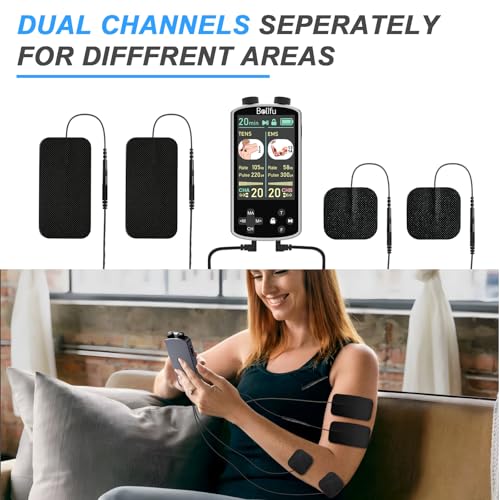
For sciatica, prioritize a unit that can deliver adjustable, non-sharp stimulation across the low back, glute, hip, and leg pathway rather than a simple “massage” preset. Look for enough intensity range to reach deep glute/piriformis and lower-back muscles, multiple pulse patterns so you can avoid accommodation, and dual channels so you can place one pair near the lumbar/glute area and another along the radiating leg pain if appropriate. Avoid units with only a few weak settings or vague modes, because sciatic symptoms often need careful placement and fine tuning. Owner feedback supports this: buyers commonly report noticeable drug-free relief for back, hip, leg, muscle, nerve, and sciatica-related discomfort, and they value stronger stimulation, multiple modes, intensity levels, and dual-channel flexibility for finding the right pattern.
Usability
A TENS unit should be easy to set up and adjust, especially if you’ll use it during a pain flare or on hard-to-reach areas. Look for clear instructions, intuitive controls, readable labels, and straightforward pad placement guidance so you can change modes and intensity safely without guesswork. Watch out for units with confusing menus, vague manuals, or controls that are easy to bump accidentally.
For sciatica flares, choose controls you can operate while lying down, seated, or reaching around to the lower back; a large readable screen, tactile buttons, clear channel labels, and quick intensity changes matter more than a long feature list. If you plan to treat both the back/glute and leg, make sure the unit makes it obvious which channel you are adjusting so you do not accidentally raise intensity on pads placed near a more sensitive area. Timers and simple program selection are also useful because longer sessions should be controlled, not left running indefinitely. Owners generally describe these units as easy to set up and incorporate into daily routines, with clear screens, straightforward buttons, adjustable modes, session times, and strength settings that reduce frustration once the basic functions are understood.
Quality
A well-built TENS unit matters because you’re relying on it for consistent relief, often through repeated sessions, travel, and daily handling. Look for sturdy controls, secure lead-wire connections, reliable battery performance, and pads or accessories that don’t feel flimsy; watch out for devices with loose ports, inconsistent intensity output, or reviews that point to early failures.
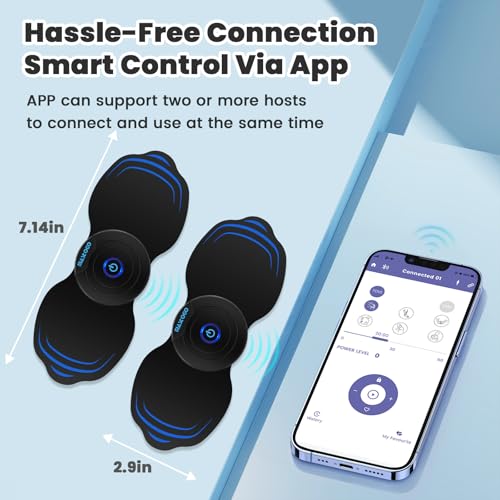
For sciatica use, quality shows up in consistent output, leads that do not loosen when pads are placed on the lower back or hip, pads that stay adhesive through repeated bending and sitting, and a controller that does not feel flimsy when used daily. If choosing wireless pads, check that the modules sit securely under clothing and do not pull off when walking or shifting positions; if choosing wired, look for reinforced lead connections and enough cable length to reach back, glute, and leg placements without tugging. Owners often report that well-liked units feel solid, durable, and powerful for regular use, with pads, cases, lightweight bodies, and wireless designs holding up better than expected.
Controls
The controls determine how well you can tailor a TENS unit to different pain areas, sensitivities, and treatment goals, so look for clear settings, multiple modes, a useful intensity range, and easy step-by-step adjustability. If you’ll use it on your back or other hard-to-reach spots, remote operation or simple lockable controls can make sessions easier, while overly complicated menus or big intensity jumps can make the device frustrating or uncomfortable.
For sciatic pain, fine control is critical: look for separate channel intensity adjustment, small step changes, a pause or quick-stop button, and enough modes to switch between steady, pulsing, and mixed stimulation without abrupt jumps. This is especially important when one electrode pair is on the lower back or glute and another is on the leg, since sensitivity can differ sharply by location. Avoid units that change both channels together or hide intensity changes in confusing menus. Owner sentiment backs this up: buyers appreciate clearly labeled controls, easy intensity adjustment, many modes, dual-channel operation, treatment-time settings, and the ability to tailor stimulation to serious back pain, muscle tension, and different body areas.
Battery
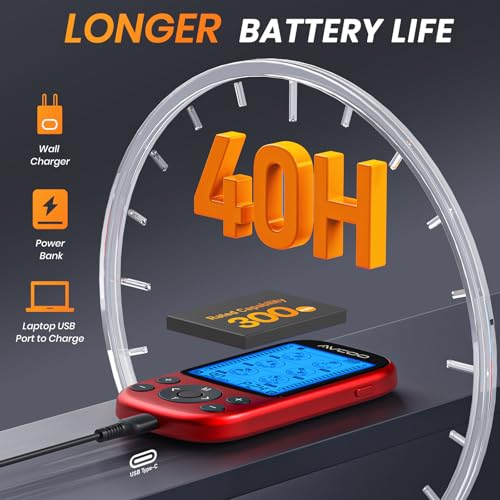
Battery life matters because a TENS unit needs to last through your typical session without fading or shutting off, especially if you use it away from an outlet. Look for enough runtime for your treatment routine, easy recharging or battery replacement, and a clear low-battery indicator; be wary of units that require frequent charging or use hard-to-find batteries.
For recurring sciatica, battery life should cover multiple sessions across the day without fading mid-treatment, especially if you use the unit before work, after sitting, or while traveling. Prefer rechargeable units with clear battery indicators, reliable charging, and enough runtime for extended or repeated timed sessions; a weak battery can reduce portability and make flare management less dependable. Owners frequently praise long rechargeable battery life, reporting hours of use, repeated sessions between charges, and easy charging that supports regular daily wear.
Portability
Portability matters if you want pain relief at work, while traveling, or as you move around the house, so look for a compact unit that’s easy to pack, clip on, or wear discreetly under clothing. Wireless designs can reduce cord tangles and make movement easier, but check that the controls are still simple to use, the pads stay secure, and the battery life fits your typical session length.
For sciatica, portability is not just about size: the unit must be wearable while sitting, standing, or walking without pads peeling off, cords snagging, or the controller pulling on electrodes placed on the back, hip, or leg. Wireless designs can be easier under clothing and for hard-to-reach lower-back placement, while wired units should have secure clips, flexible leads, and enough length to route comfortably. Compact storage also matters if you need relief at work or during travel after long periods of sitting. Owners commonly like compact and wireless designs because they avoid cord hassles, are easier to position on the back, can be carried or worn more comfortably, and work well for home use or travel.
1,000,000+ shoppers use Buyer's Guide every week to find the best products and services online.

Helping millions of users make smarter purchases online.


