















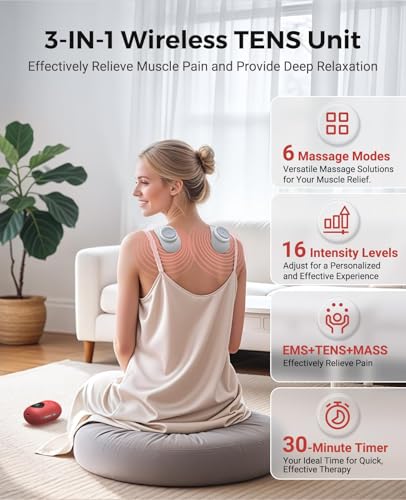
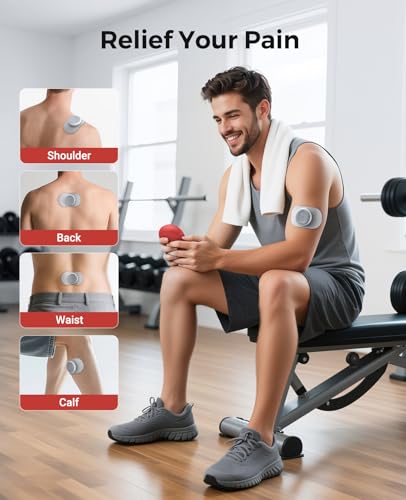


We also considered 10 others:


Our Top Choice
Compare Features


The order above is not editorial opinion, and it is not paid placement. It comes from what shoppers across our network actually do - which cordless tens units they compare, and which they ultimately buy. We re-rank as new data comes in, so the long-term favorites have to keep earning their spot against new entrants. The full method, including how we make money.
Cordless TENS Units Buyer's Guide
Cordless TENS units trade the reach and simplicity of wired leads for freedom to move, but that makes pad adhesion, module weight, battery life, and remote or app control much more important. The sharpest buying concerns are whether the stimulation can be adjusted safely and precisely for the body area you are treating, and whether the wireless pods will stay connected and comfortable during real movement.
Relief
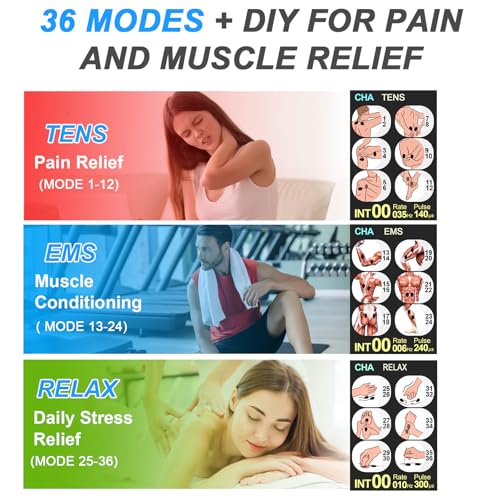
Relief matters because a TENS unit is only useful if it noticeably reduces your pain, eases muscle tension, or helps you relax during and after a session. Look for adjustable intensity levels, multiple modes, and settings that let you fine-tune the sensation to your body, and be cautious of units that feel too weak, too harsh, or inconsistent across treatment areas.
Choose a cordless TENS unit that can deliver true therapeutic stimulation, not just a light buzzing massage: look for a wide intensity range, fine step-by-step adjustment, multiple pulse modes, and enough output for larger areas like the low back while still being controllable on sensitive spots such as the neck, knee, or foot. For nerve pain or sciatica, prioritize models that let you start very low and increase gradually, because sudden jumps can be uncomfortable and poor pad placement can make relief inconsistent. Owner feedback supports this priority: shoppers often report meaningful drug-free relief for back, neck, muscle, nerve, joint, shoulder, leg, foot, and sciatic pain, and many specifically value units that feel powerful without needing to be maxed out.
Quality
A well-built TENS unit matters because you’re relying on it for consistent relief, often through repeated sessions, travel, and daily handling. Look for sturdy controls, secure lead-wire connections, reliable battery performance, and pads or accessories that don’t feel flimsy; watch out for devices with loose ports, inconsistent intensity output, or reviews that point to early failures.
For quality, inspect the parts that usually fail first on cordless TENS units: snap connectors or magnetic pod contacts, pad backing, charging ports, remote responsiveness, and whether replacement pads are easy to source in the correct shape and connector type. A good cordless unit should feel secure on the body without the module pulling the electrode loose, and it should maintain consistent stimulation instead of cutting out when you move. Owner sentiment is encouraging here, with many buyers describing compact wireless units as sturdy, well made, durable, and surprisingly powerful for their size, while also appreciating that cordless designs avoid the cord tangles of older units.
Usability
A TENS unit should be easy to set up and adjust, especially if you’ll use it during a pain flare or on hard-to-reach areas. Look for clear instructions, intuitive controls, readable labels, and straightforward pad placement guidance so you can change modes and intensity safely without guesswork. Watch out for units with confusing menus, vague manuals, or controls that are easy to bump accidentally.
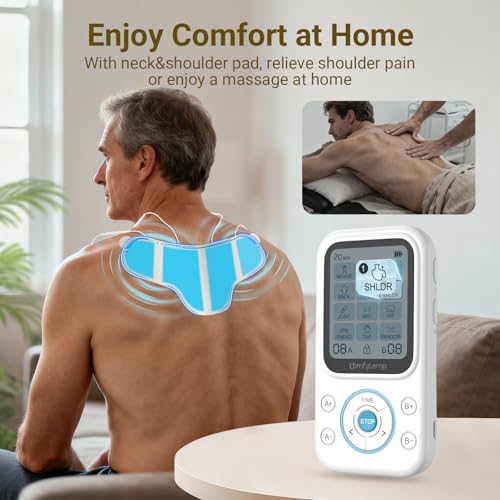
Prioritize usability around safe, repeatable sessions: the unit should make it easy to see intensity level, lock or pause stimulation, set a treatment timer, and change modes without accidentally spiking the current while the pads are on your skin. If it uses an app or remote, make sure the controls are intuitive enough to adjust one-handed, especially for back placement where you cannot see the device; also check whether it remembers previous settings or restarts at a safe low level. Owners commonly say setup is straightforward, with easy daily adjustment of mode, strength, treatment time, and sometimes DIY settings, and many find app, remote, large-screen, or simple-button designs easy even if they are not tech-savvy.
Portability
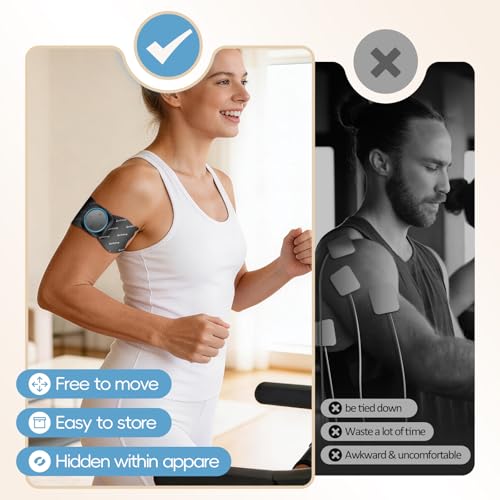
Portability matters if you want pain relief at work, while traveling, or as you move around the house, so look for a compact unit that’s easy to pack, clip on, or wear discreetly under clothing. Wireless designs can reduce cord tangles and make movement easier, but check that the controls are still simple to use, the pads stay secure, and the battery life fits your typical session length.
For portability, look beyond small size and check whether the cordless modules stay attached during walking, working, travel, or chores, and whether the pad shape can sit flat under clothing without peeling at the edges. A travel-friendly TENS unit should include a protective case or pad storage sheets, charge without bulky accessories, and be discreet enough that movement will not dislodge it or accidentally press controls. Owner reports align with this: compact wireless designs are repeatedly praised for use at home, while moving around, gardening, working, traveling, or even discreet situations, with buyers especially liking the freedom from dangling lead wires.
Controls
The controls determine how well you can tailor a TENS unit to different pain areas, sensitivities, and treatment goals, so look for clear settings, multiple modes, a useful intensity range, and easy step-by-step adjustability. If you’ll use it on your back or other hard-to-reach spots, remote operation or simple lockable controls can make sessions easier, while overly complicated menus or big intensity jumps can make the device frustrating or uncomfortable.
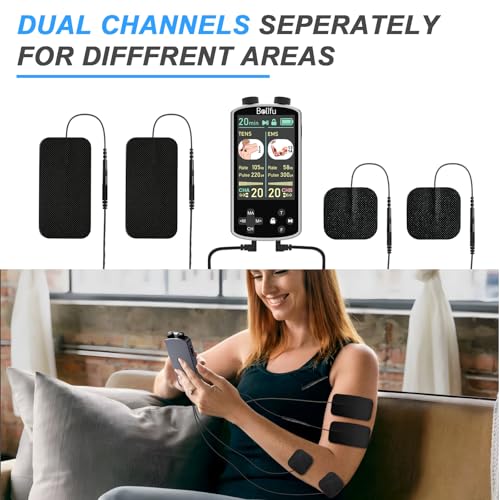
Controls should be precise, predictable, and separated enough to prevent mistakes: look for clear intensity up/down buttons, visible channel indicators, a quick stop or pause function, and independent control if you plan to treat two areas or two sides of the body. Dual-channel or multi-pad systems are useful only if you can adjust each side separately, because one electrode position may feel much stronger than another; for TENS/EMS combination units, confirm the modes are clearly labeled so you do not use a muscle-contraction EMS program when you only want sensory pain relief. Owner feedback supports choosing flexible controls, with buyers valuing easy intensity adjustment, many modes, dual-channel options, treatment timers, responsive buttons, clear screens, remotes kept nearby or in a pocket, and settings that fit different comfort needs.
Battery
Battery life matters because a TENS unit needs to last through your typical session without fading or shutting off, especially if you use it away from an outlet. Look for enough runtime for your treatment routine, easy recharging or battery replacement, and a clear low-battery indicator; be wary of units that require frequent charging or use hard-to-find batteries.
Battery life matters more on cordless TENS units because the treatment pod itself is on your body: choose rechargeable modules with enough runtime for multiple sessions, clear low-battery warnings, and charging hardware that can recharge all pods at once. Be cautious if a unit cannot be used consistently through a normal session, loses output as the battery drains, or relies on a proprietary charger that would be difficult to replace. Owners often praise rechargeable cordless models for lasting through hours of use or repeated daily sessions, charging easily, and arriving with enough power for many people to begin using them right away.
1,000,000+ shoppers use Buyer's Guide every week to find the best products and services online.

Helping millions of users make smarter purchases online.


