
























We also considered 10 others:


Our Top Choice
The order above is not editorial opinion, and it is not paid placement. It comes from what shoppers across our network actually do - which reading lights for bed they compare, and which they ultimately buy. We re-rank as new data comes in, so the long-term favorites have to keep earning their spot against new entrants. The full method, including how we make money.
Reading Lights for Bed Buyer's Guide
A good bed reading light has to put enough light on the page while keeping glare, spill, and sleep disruption low for anyone sharing the room. The sharpest tradeoffs are beam focus versus coverage, warm nighttime comfort versus brighter task visibility, and a battery/clip design that does not become annoying during nightly use.
Light Tuning
Bed reading needs more control than general task lighting because the same lamp may be used for winding down, focused reading, or quick low-light tasks. Fine brightness and color adjustment helps reduce harsh glare while still keeping text clear.
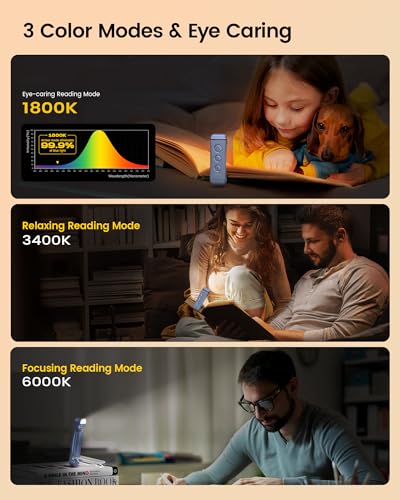
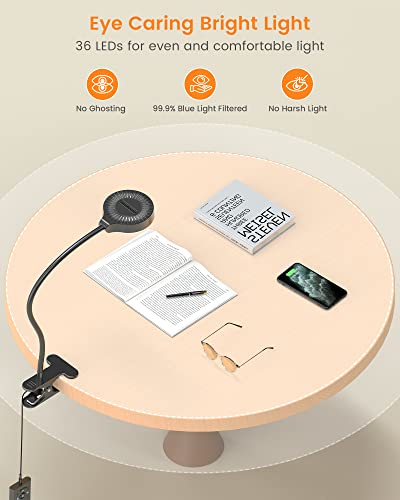
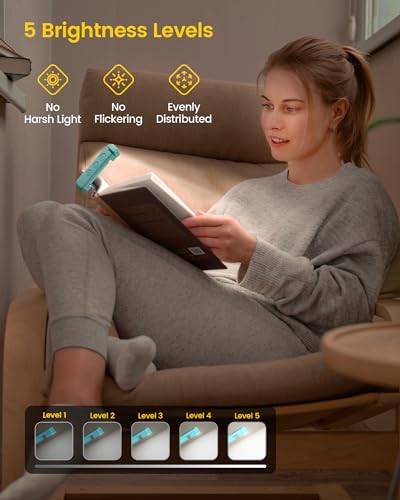
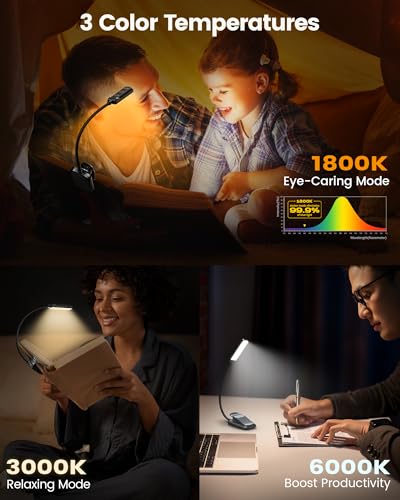
Prioritize a light with several brightness levels and multiple color temperatures, especially a warm amber or low-blue option for winding down and a cooler/brighter setting for small print, notes, or crafts. Avoid single-mode lights that are either too harsh at night or too dim for dense pages; the best bedtime models let you step down brightness without changing your reading position. Owner feedback strongly supports this: adjustable color and brightness are repeatedly described as a major strength, with buyers valuing the ability to move from a soft nighttime glow to brighter reading or task lighting.
Beam Control
In bed, excess spill can disturb another person and can make the room feel brighter than intended. Even beam shape also matters because patchy light forces the eyes to keep adapting as they move across the page.
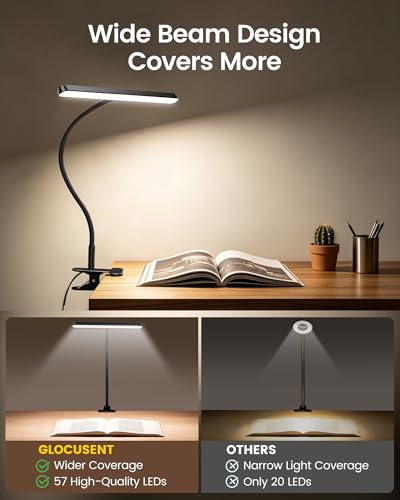
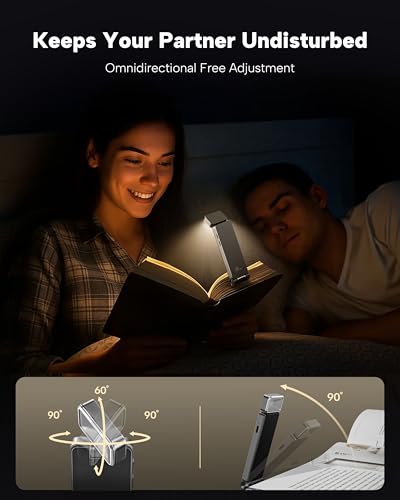
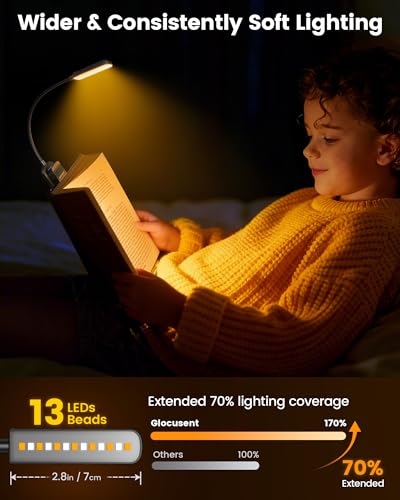
Look for a focused beam that lights the page or device surface without flooding the bed, wall, or a sleeping partner’s side of the room. A good bed light should have even illumination across the reading area, with minimal hotspots, edge glare, or exposed LEDs aimed toward the eyes. Owner sentiment points to this as a key strength when done well: buyers appreciate bright, even light that can be tuned to their needs and focused enough for reading in bed without bothering someone nearby.
Positioning
A bed light fails quickly if it cannot stay aimed at the page from a reclined position. Reliable positioning reduces hand adjustments, keeps glare out of the eyes, and lets the light work with different reading setups.
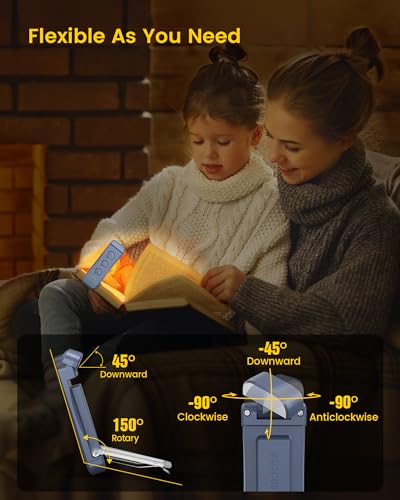
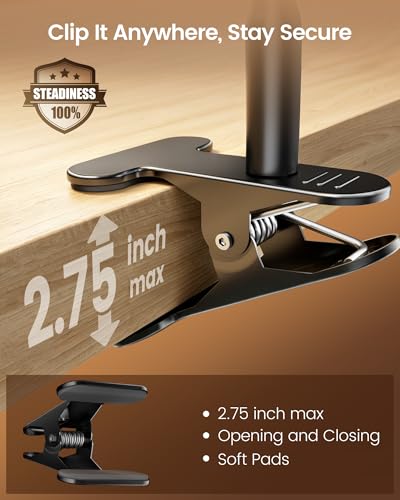
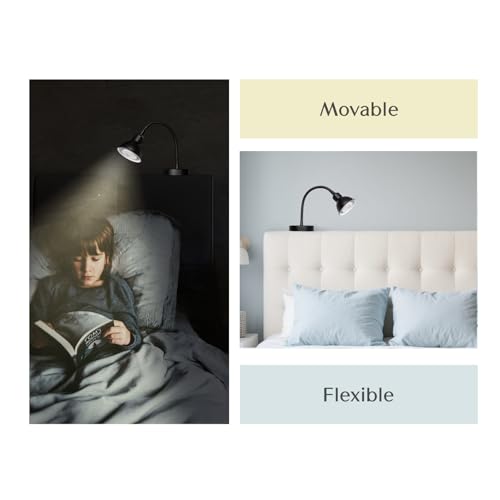
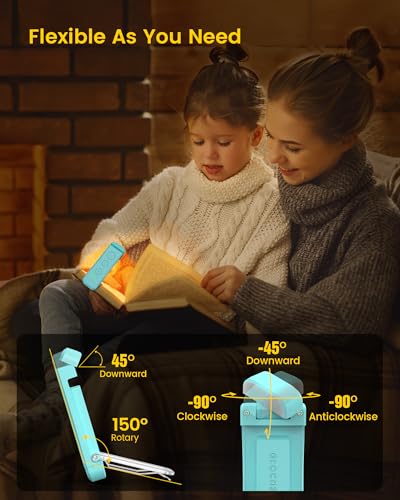
Choose a design that can hold its angle reliably: a flexible neck should bend smoothly but not droop, and a clip should grip book covers, headboards, tablets, or shelves without crushing pages or sliding off. For paper books, check that the clip is not so bulky that it makes the book awkward to hold; for screens or headboards, check jaw depth and anti-slip padding. Owners consistently praise flexible necks and secure clips when they make it easy to place the light exactly where it is needed on books, screens, or other surfaces.
Battery Runtime
A bed reading light is often used away from an outlet or in positions where a cord would tug or clutter the bed. Reliable battery life prevents the light from fading mid-chapter and reduces the maintenance burden of frequent battery replacement.
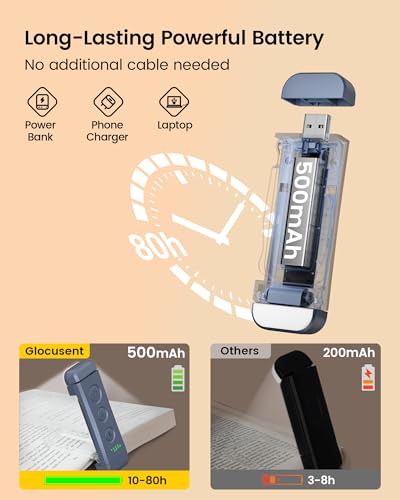
For cordless bedside use, favor rechargeable models with enough runtime for several long reading sessions and a charge indicator or predictable low-battery behavior. Quick charging is useful, but runtime at the brightness level you actually use matters more than maximum runtime on the dimmest setting; avoid designs that require frequent disposable battery swaps if you read nightly. Owner feedback is especially strong here, with buyers repeatedly appreciating long battery life, quick charging, and the convenience of a rechargeable design during extended reading stretches.
Bed Comfort
Bed reading often lasts longer than expected, and small pressure points or awkward weight become more noticeable when reclining. A comfortable light is more likely to be used consistently without constant repositioning.
If choosing a neck-worn or close-to-body light, prioritize low weight, smooth surfaces, and a shape that will not press into the collarbone, neck, pillow, or bedding when you shift positions. For clip-on styles, consider whether the added weight makes a paperback sag or a tablet case feel top-heavy. Owner sentiment highlights comfort and weight as important for nightly use, with lightweight neck designs being liked because they do not feel distracting during reading.
Build Quality
Reading lights for bed are handled frequently, adjusted repeatedly, and often stored loosely on a nightstand or in a drawer. Durable construction matters because weak clips, loose necks, and unreliable charging ports can make an otherwise bright light frustrating.
Inspect the likely failure points: hinge tension, clip spring strength, charging port fit, button feel, and whether the flexible arms hold shape after repeated bending. A sturdy light should survive nightly handling, being moved between rooms, and occasional drops onto bedding or the floor without loose joints or flickering connections. Owners describe reliable, sturdy performance and broad satisfaction when the build feels solid, and they also connect dependable functionality with a practical good-value purchase for bedtime reading and other low-light tasks.
1,000,000+ shoppers use Buyer's Guide every week to find the best products and services online.

Helping millions of users make smarter purchases online.


