



















We also considered 10 others:


Our Top Choice
The order above is not editorial opinion, and it is not paid placement. It comes from what shoppers across our network actually do - which neck lights they compare, and which they ultimately buy. We re-rank as new data comes in, so the long-term favorites have to keep earning their spot against new entrants. The full method, including how we make money.
Neck Lights Buyer's Guide
Neck lights live in a narrow tradeoff: they must be bright and precise enough for close work, but soft and controlled enough for bedtime or shared spaces. The biggest buying risks are glare, drifting beam position, neck fatigue, and runtime that falls short during long reading or craft sessions.
Beam Control
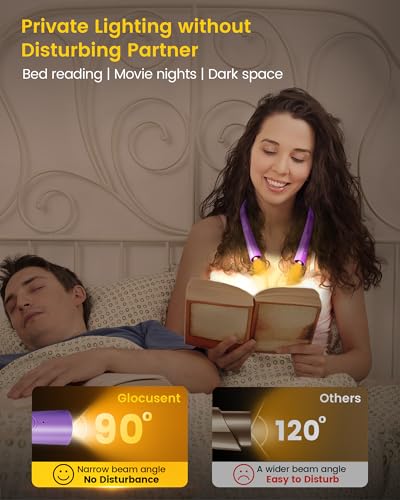
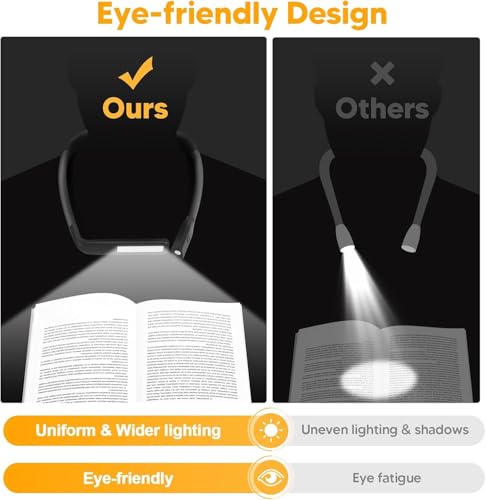
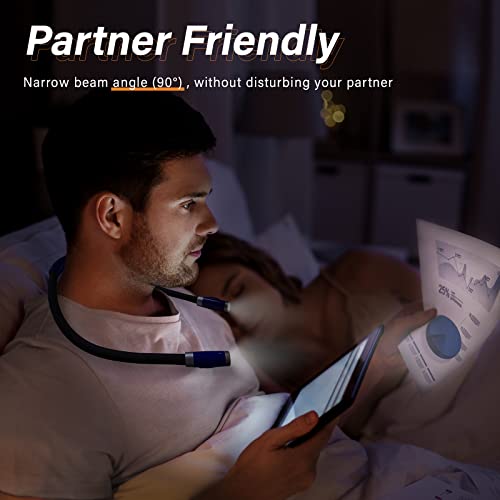
A neck light has to illuminate a page, stitch, repair, or small work area without washing the whole room in light. Adjustable brightness and tone help prevent glare, eye strain, and partner disturbance while still giving enough contrast for fine detail.
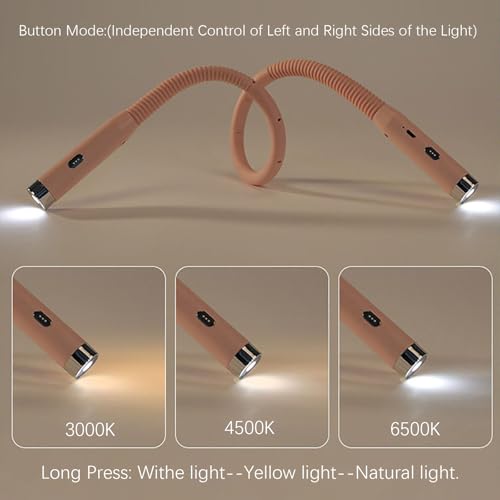
Look for independently controlled heads with several brightness levels, a focused rather than flood-only beam, and warm/neutral/cool color options. Warm light is usually easier for bedtime reading, while cooler light can improve contrast for crafts, wiring, tackle, and repairs; avoid models with only one harsh setting or beams that cannot be dimmed enough for shared bedrooms. Owner feedback strongly supports this: shoppers repeatedly praised bright, directed light that lands where needed without lighting the whole room, and multiple brightness levels and color modes were called useful for books, hobbies, knitting, crocheting, and close-up tasks without harsh glare.
Positioning
The core advantage of a neck light is that both hands stay free while the beam follows your body position. Flexible arms matter only if they can aim each side precisely and stay there during reading, stitching, walking, or working in a dark space.
Choose a neck light with bendable arms that move independently, enough stiffness to hold their angle, and light heads that can converge on a book or split across a wider task area. If you plan to knit, repair, grill, walk a dog, or use it in outages, check that the beam can be aimed while your hands are occupied and that the neck band does not rotate so much that the light drifts off target. Owners consistently liked flexible arms and directional lights for aiming exactly where needed, including in bed, in a chair, or in dark spaces; the main caution was that some flexible designs can twist or slip around instead of staying put.
Wear Comfort
A neck light sits directly on the shoulders and collar area, so small differences in weight and balance become noticeable over a long chapter or craft session. Comfort is especially important for users sensitive to neck strain or anyone who reads in bed at an angle.
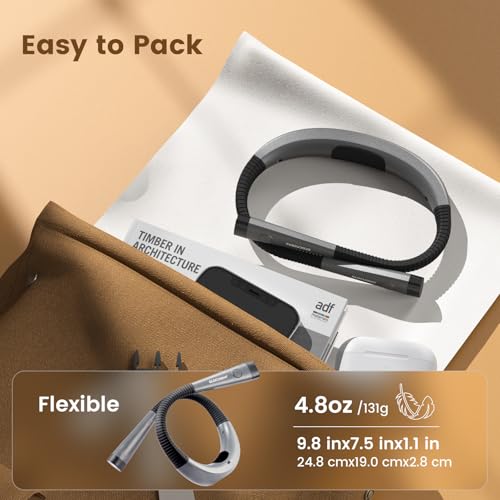
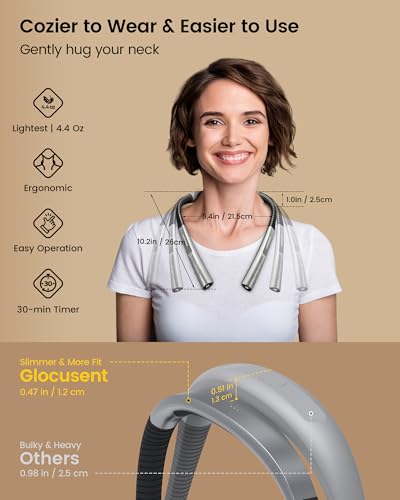
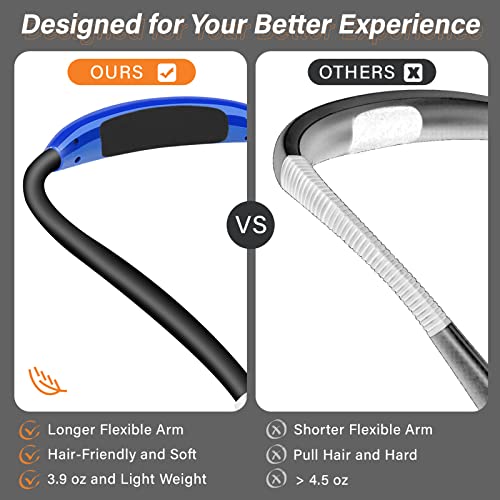
Prioritize a lightweight, balanced neck band with smooth surfaces, no bulky battery pack pressing into the neck, and arms that do not bounce or interfere with glasses, blankets, tools, or yarn. For extended bedtime reading or crocheting, avoid overly heavy battery-powered designs and check whether the band stays comfortable when reclined, not just sitting upright. Owner sentiment repeatedly highlights lightweight comfort as a major strength, with buyers saying good neck lights are easy to wear for longer reading, knitting, crocheting, and craft sessions, including for people sensitive to weight around the neck.
Battery Life
Runtime determines whether the light survives a full evening of reading, a long project session, or an emergency outage. Rechargeable models reduce disposable battery hassle, but brightness level and age of the battery can affect how long the light stays bright.
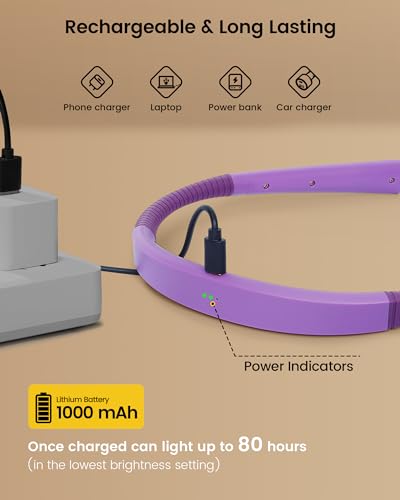
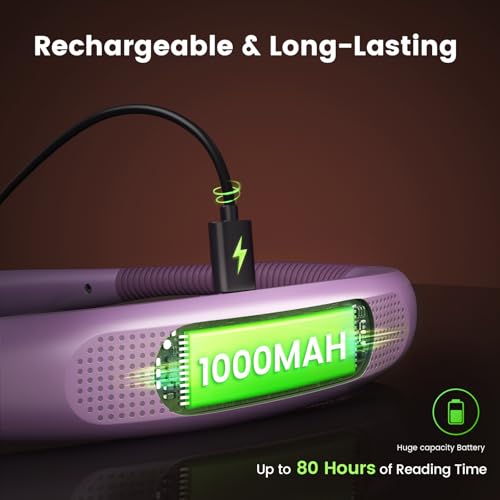
Look for rechargeable construction, clear charge indicators, convenient cable compatibility, and enough claimed runtime at the brightness level you will actually use, not just the lowest setting. For travel, outages, or long craft sessions, favor models that maintain brightness instead of fading quickly, and consider how easy they are to recharge from a power bank or common USB source. Owners often described battery life and rechargeable design as major strengths, appreciating long use between charges and not needing disposable batteries; however, feedback also shows runtime can vary, with some users finding the light dims or needs recharging sooner than expected.
Task Range
Neck lights are often bought for reading but kept because they solve many small lighting problems. The best pick should match the real tasks you do, whether that means fine textile work, homework in a car, dog walking, camping, repairs, or blackout use.
Match the design to your task mix: readers need low-glare page lighting, crafters need high contrast and close-detail control, repair users need brighter focused output, and walkers or campers may need wider visibility and secure fit. Features like removable magnetic lights can add real utility for metal work surfaces, car areas, grills, and repairs, but are less important if your use is mostly bed reading. Owner reports show strong versatility across reading, crochet, embroidery, cross-stitching, sewing, writing, fishing tackle, wiring, household tasks, pet walking, camping, grilling, car homework, and power outages, with quality impressions strongest when the light felt dependable across those uses.
1,000,000+ shoppers use Buyer's Guide every week to find the best products and services online.

Helping millions of users make smarter purchases online.


