



















We also considered 10 others:


Our Top Choice
The order above is not editorial opinion, and it is not paid placement. It comes from what shoppers across our network actually do - which book lights they compare, and which they ultimately buy. We re-rank as new data comes in, so the long-term favorites have to keep earning their spot against new entrants. The full method, including how we make money.
Book Lights Buyer's Guide
A good book light has to put enough light on the page without turning the bedroom into a lamp-lit room. The sharpest tradeoffs are beam control versus brightness, and secure positioning versus added weight on a paperback, hardcover, tablet, or neck-worn setup.
Page Lighting
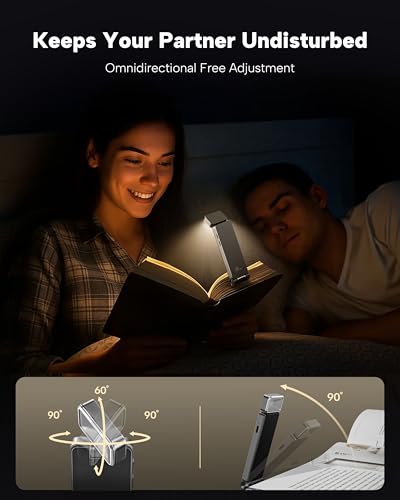
Book lights succeed or fail by how well they illuminate text without spilling light across the room. Even, focused light reduces page shadows and makes bedtime reading more practical when someone nearby is trying to sleep.
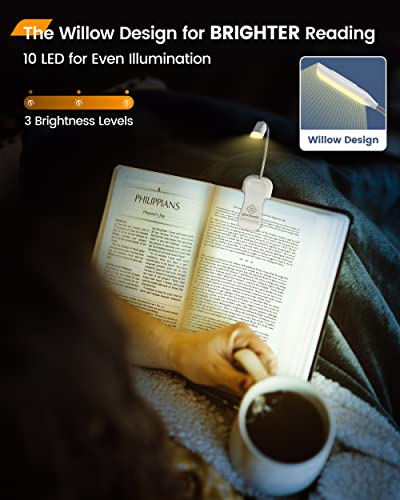
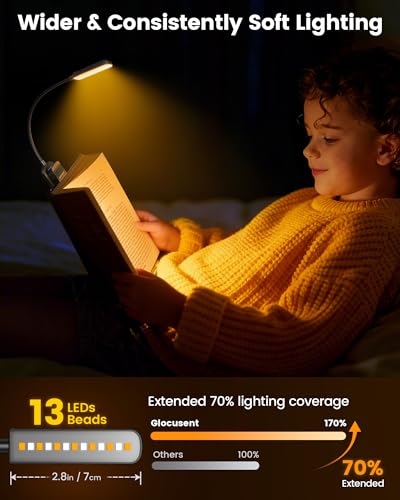
Look for a beam that is wide enough to cover the reading area you actually use—one page, both pages, or a screen—without creating a bright hotspot in the center and dim edges near the margins. For shared bedrooms, prioritize a focused or shielded beam over raw brightness, because an overly broad light can disturb a partner even if it is technically bright enough. Owner feedback strongly favors lights that provide bright, even illumination, light up both pages clearly, and stay discreet for reading in bed without lighting up the whole room.
Light Tuning
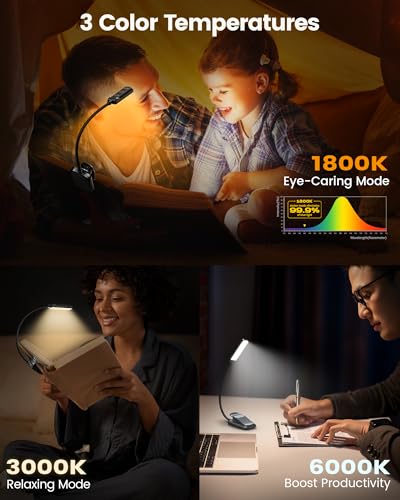
Different books, rooms, and times of night call for different light levels. Adjustable brightness and color temperature let a reader move from a soft bedside glow to a clearer task-light setting without changing devices.
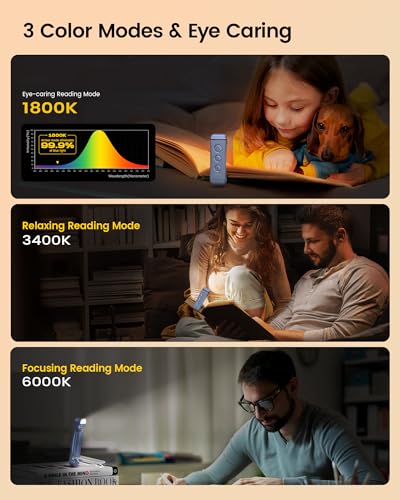
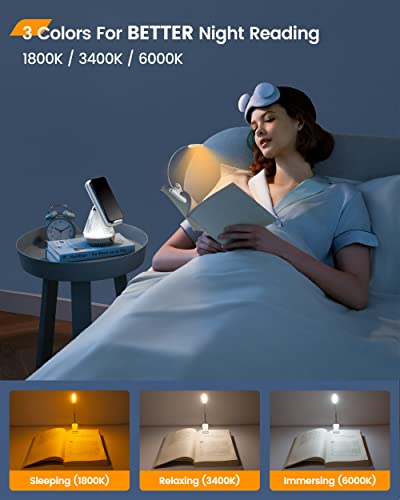
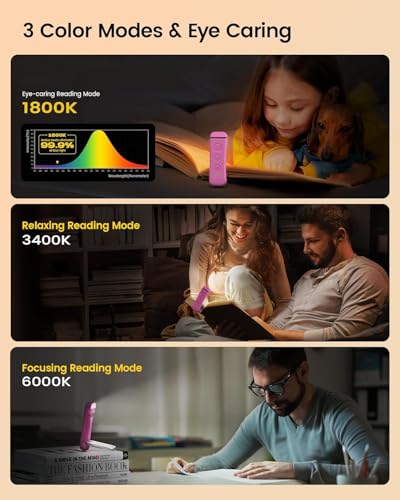
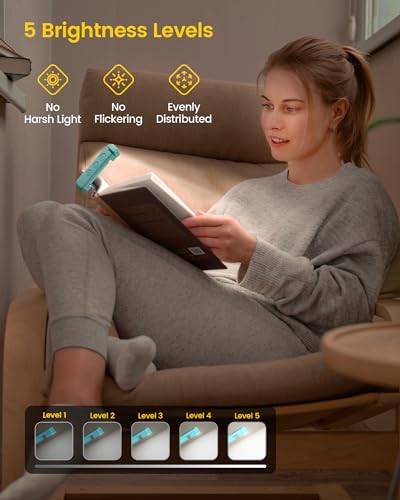
Choose a book light with several usable brightness steps, not just “too dim” and “too bright,” and make sure the lowest setting is genuinely gentle for dark-room reading. Warm amber modes are useful for cozy nighttime reading, while neutral or cooler white settings help with small print, studying, or low-contrast pages; avoid models that force a harsh blue-white tone at every level. Owner sentiment repeatedly highlights adjustable brightness and warm-to-cool color options as a major strength, especially for switching between soft amber, brighter white light, bed use, low light, and reading in the dark without bothering others.
Battery Life
A book light is most useful when it is ready at the bedside and does not need constant battery swaps. Rechargeable power also matters for long reading sessions, studying, travel, and anyone who reads several nights between charges.
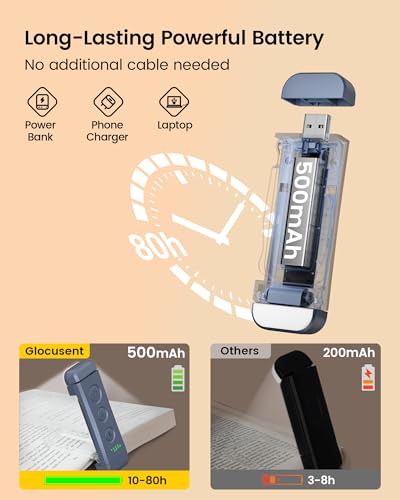
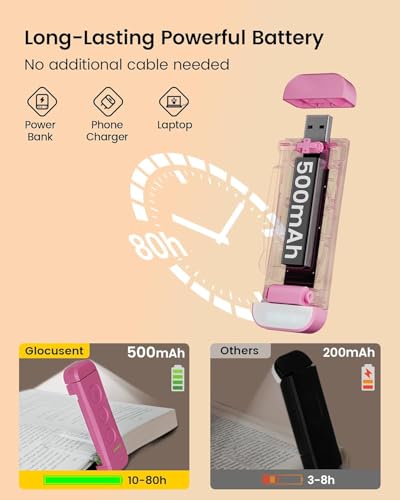
Prioritize rechargeable models with enough runtime for multiple reading sessions at the brightness level you actually use, because maximum-brightness runtime can be much shorter than low-mode runtime. USB charging is convenient, and the ability to keep reading while plugged in is valuable for long study sessions or when the light was not charged beforehand; avoid designs that require disposable batteries if you read nightly. Owners consistently praise long battery life, quick charging, USB recharge convenience, no disposable battery replacements, and enough runtime for long reading or studying stretches.
Positioning
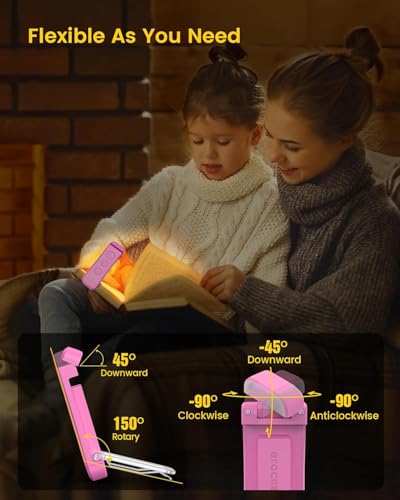
A book light must stay aimed as pages turn, reading posture changes, or the book shifts in bed. The clip, neck, hinge, or swivel mechanism determines whether the light lands on the text or shines into eyes.
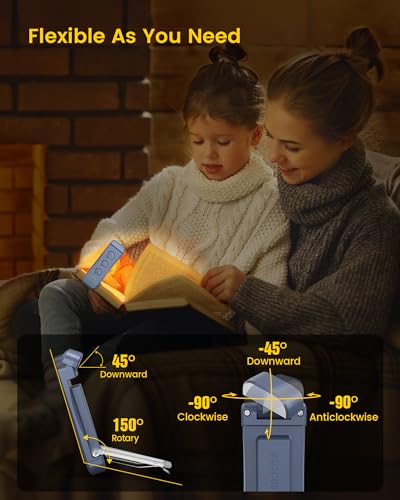
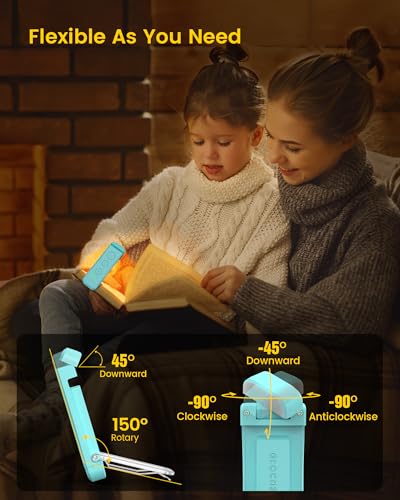
For clip-on lights, inspect the clip depth, padding, and spring tension: it should hold a paperback or hardcover cover securely without crushing pages or sliding off. A flexible neck or swiveling head should be stiff enough to hold its angle but easy enough to adjust one-handed while lying down; for tablets, desks, or bedside surfaces, check whether the clip opens wide enough and whether the head can aim downward without glare. Owner feedback supports this: sturdy clips, flexible necks, swiveling heads, and secure attachment are repeatedly praised for placing the beam exactly where needed on books, screens, desks, and bedside setups.
Book Friendly
Small size and low weight matter because the light often attaches directly to the book or rests around the neck. A bulky or heavy light can bend pages, pull on a cover, or become distracting during nightly reading.
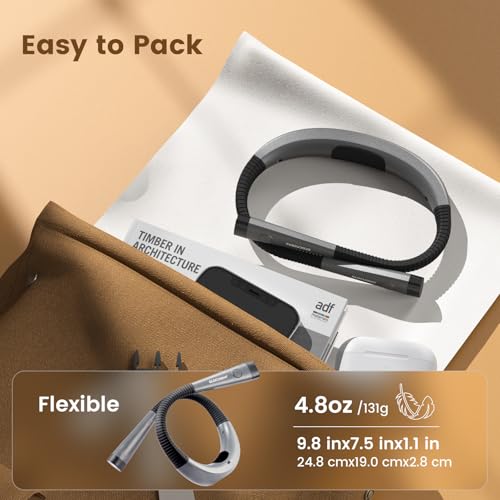
If you read paperbacks, choose a compact clip-on light with low weight so it does not droop, bend pages, or make the book top-heavy. If you prefer a neck-style light, look for a flexible, lightweight body that stays comfortable during long sessions and does not press awkwardly when reclining; travelers should also favor slim shapes that pack without snagging. Owner reports specifically appreciate compact, lightweight builds that work on books without bending pages, pack easily for travel, and remain comfortable enough for nightly use without feeling distracting.
Reliability
Book lights are handled often: clipped, bent, charged, packed, and adjusted night after night. Better construction helps the hinge, clip, charging port, and light head keep working instead of becoming loose or unreliable.
Check for a solid-feeling clip, stable hinges, a protected charging port, and controls that do not feel flimsy, because the common failure points are the parts that get adjusted every time you read. A good pick should feel dependable while still delivering the core features that matter—usable brightness, practical tuning, easy positioning, and rechargeable power—rather than adding novelty features that compromise durability. Owners describe well-made, sturdy, reliable lights that work as expected, and they often connect strong value with dependable performance, useful features, and better build quality than cheaper-feeling alternatives.
1,000,000+ shoppers use Buyer's Guide every week to find the best products and services online.

Helping millions of users make smarter purchases online.


