









We also considered 10 others:

Our Top Choice
The order above is not editorial opinion, and it is not paid placement. It comes from what shoppers across our network actually do - which mold removers for grout they compare, and which they ultimately buy. We re-rank as new data comes in, so the long-term favorites have to keep earning their spot against new entrants. The full method, including how we make money.
Mold Removers for Grout Buyer's Guide
Mold removers for grout live or die on contact time: the cleaner has to stay on narrow, often vertical grout lines long enough to bleach or lift dark mildew staining without damaging the surrounding caulk, tile, metal, or colored grout. The sharpest buying concerns are whether the formula clings instead of running off, whether it is safe for the exact surfaces in your shower or sink area, and whether it can handle old staining without unrealistic instant-clean expectations.
Stain Power
Grout is porous and textured, so visible mold staining can sit deeper than surface dirt. A good mold remover for this niche needs to improve the dark discoloration itself, not merely sanitize or perfume the area. Appearance matters because shoppers are often trying to restore grout lines that make a shower or sink look permanently dirty.
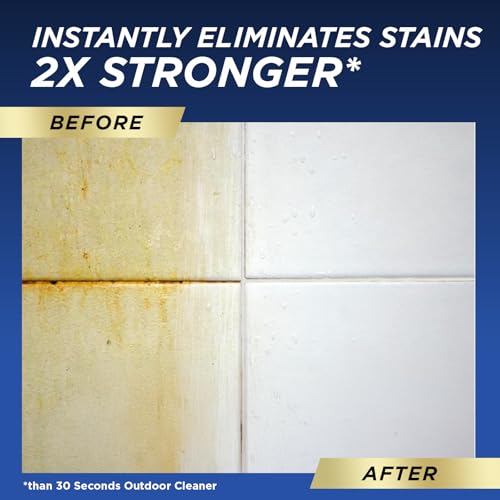
For grout, prioritize a remover made for visible mold and mildew staining rather than a general bathroom soap-scum spray. Dark marks in cement grout and along shower edges often need an oxidizing or stain-lifting formula that can penetrate texture; if staining is behind failed caulk or coming from moisture inside the wall, cleaning the surface will not solve the source. Owner feedback supports making stain power the first filter: mold removal is repeatedly described as a clear strength, old mildew staining is reported to improve, and bathroom grout, shower caulk, and sink-edge areas are said to look noticeably cleaner after treatment.
Cling Control
Mold removers work best when the active cleaner remains in contact with the stained grout long enough to act. On vertical tile, shower corners, and sink edges, runny liquids can drain away before they do much work. Precision also helps limit unnecessary exposure on nearby materials that may be more sensitive than the grout itself.
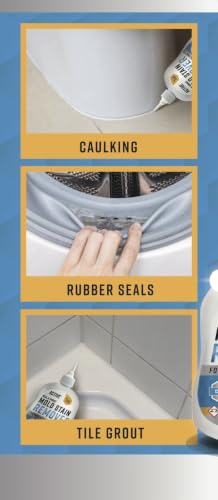
Choose a thick gel, paste, or other cling formula with a narrow tip or controlled applicator for grout lines, corners, vertical shower walls, and the seam where tile meets caulk. Avoid watery sprays for severe grout staining unless you only need broad surface coverage, because runoff shortens dwell time and can spread strong cleaner onto fixtures, stone, or colored finishes. Owner sentiment strongly favors gel formats: buyers appreciate that the formula stays where applied, targets damp problem spots, and reduces the need for endless scrubbing.
Dwell Time
Set-in grout stains are often the result of repeated moisture exposure, not a single splash of dirt. The difference between a good and bad result can be whether the cleaner can remain active long enough and whether the buyer follows the correct timing. Repeat treatment is normal for severe staining, but repeated failure can signal that the surface needs repair rather than more cleaner.
Buy with patience in mind: for old black mildew marks, choose a product with clear dwell-time instructions and expect to leave it on for hours when the label allows, then rinse and reassess before repeating. Be cautious of products that imply every long-set stain will vanish immediately, because deeply embedded discoloration may need a second application or may indicate damaged caulk or moisture problems. Owner reports match this pattern: stubborn or long-set stains may require several hours and repeat application, even though visible mold removal is generally rated positively.
Surface Fit
“Grout cleaner” does not mean universally safe for every tile installation. Strong mold removers can lighten colorants, attack sensitive stone, or stress adjacent caulk and trim if used on the wrong surface. Compatibility is especially important in showers, where the cleaner often contacts more than just the grout line.
Match the remover to the exact surfaces around your grout: ceramic or porcelain tile, cement grout, epoxy grout, silicone caulk, colored grout, natural stone, metal trim, and nearby rubber seals can all react differently. Always check the label for colored grout and stone warnings, spot-test in a hidden area, and avoid assuming that a formula safe for white grout is safe for marble, limestone, brass, or dark grout dye. The owner evidence is encouraging for some household seams and gaskets, with reports of use around seal and gasket areas and no reported drying or damage on washer rubber seals, but grout shoppers should still verify their own surface mix before applying broadly.
Safe Workflow
Mold removers for grout often use strong chemistry because ordinary cleaners struggle with embedded mildew stains. Good instructions and controlled application make the product safer and more predictable. Cleanup matters too, because residue left in grout lines or along caulk can continue contacting surfaces after the stain looks improved.
Look for clear instructions on ventilation, gloves, application thickness, maximum dwell time, rinsing, and what not to mix with the product. In this category, avoid combining mold remover with vinegar, ammonia, acids, or other cleaners, and keep the area isolated from children and pets until it is rinsed and dry; precise application also helps reduce fumes, residue, and accidental contact with nearby finishes. Owner sentiment supports the value of an easy, controlled workflow: the gel format is described as easy to apply for targeted bathroom and household jobs, and buyers like that it can work without constant scrubbing.
1,000,000+ shoppers use Buyer's Guide every week to find the best products and services online.

Helping millions of users make smarter purchases online.


