











We also considered 10 others:


Our Top Choice
The order above is not editorial opinion, and it is not paid placement. It comes from what shoppers across our network actually do - which grout cleaners they compare, and which they ultimately buy. We re-rank as new data comes in, so the long-term favorites have to keep earning their spot against new entrants. The full method, including how we make money.
Grout Cleaners Buyer's Guide
Grout cleaners sit at a tricky intersection: they need enough chemical bite and dwell time to lift mold, soap scum, grease, or years of floor soil, but they also touch porous grout, caulk, tile finishes, fixtures, and enclosed shower air. The sharpest buying concerns are matching the formula to the stain and choosing an application method that works in narrow grout lines without excessive scrubbing or residue.
Stain Match
Grout looks dirty for different reasons, and the wrong cleaner can waste effort or leave stains behind. A careful buyer should identify whether the issue is mold, old floor soil, grease, soap scum, or discoloration before choosing a formula.
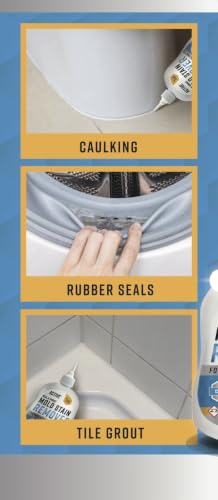
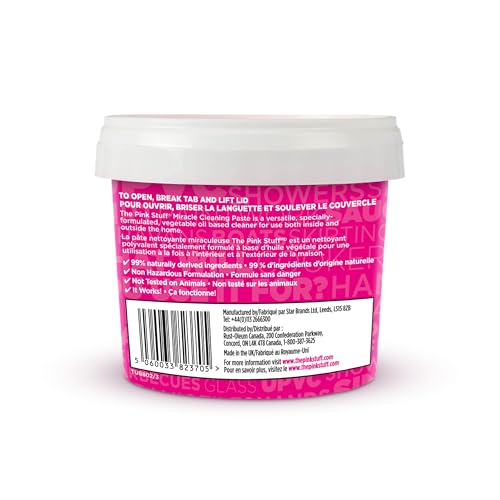
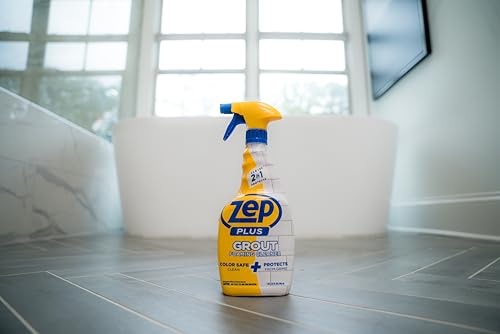
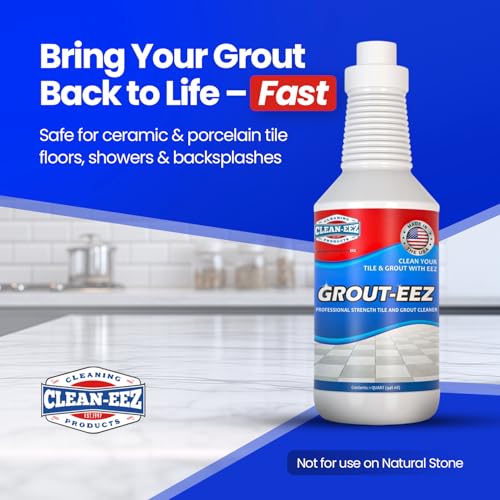
Start by matching the cleaner to the stain: use a mold/mildew-focused clinging gel for black staining on grout, caulk, shower seams, or washer gaskets; use a grout-restoration cleaner for gray, ground-in floor soil; and use a multipurpose degreasing spray only when the mess is soap film, kitchen grime, or general surface dirt. Avoid assuming one formula will handle every grout problem, because mineral scale, mold staining, grease, and years of embedded dirt often need different chemistry and dwell time. Owner feedback strongly supports this split: mold gels were praised when bleach and scrubbing had failed, grout-focused cleaners were credited with lifting years of buildup, and multipurpose sprays were liked for grease, grime, and everyday stains.
Dwell & Cling
Grout is porous and recessed, so contact time matters as much as initial wetting. A cleaner that runs off a wall or dries before it works can underperform even if the formula is strong.
For vertical shower grout, caulk lines, and gasket folds, prioritize a gel or thick formula that stays where you put it long enough to work; for broad tile floors, a spreadable liquid or spray can be faster if it does not dry too quickly. Look for instructions that specify dwell time, and avoid products that promise instant results on deep staining without allowing time for the cleaner to penetrate. Owners repeatedly valued gel formats because they could be applied and left in place with little scrubbing, and they reported dramatic mold-stain improvement after the cleaner sat as directed, though some tough jobs still needed multiple applications.
Scrub Ergonomics
Grout cleaning is often limited by the tool, not just the liquid. The best formula still needs mechanical contact when soil is packed into narrow joints or textured grout.
If you are cleaning floors or long grout runs, choose a setup with a stiff, narrow, V-shaped or grout-line brush and a secure long handle so pressure goes into the joint instead of your knees and wrists. For corners, baseboards, and shower edges, check whether the head angle or swivel actually reaches tight spots; a loose or overly restricted swivel can make angled work frustrating. Owner sentiment backs this clearly: brush designs with V-shaped heads, stiff bristles, long handles, and secure assembly were praised for reaching grout lines and reducing hands-and-knees scrubbing, while swivel movement and sturdiness were more mixed for angled baseboard work.
Surface Safety
Grout cleaners can be chemically aggressive because they are made to break down stains in porous lines. Safety, ventilation, and rinsability matter because the cleaner often sits near caulk, stone, fixtures, and enclosed shower spaces.
Check surface compatibility before applying any grout cleaner: colored grout, natural stone, older unsealed grout, caulk, metal trim, and nearby fixtures can react differently than glazed ceramic tile. For strong stain removers, ventilate, wear gloves, test a hidden spot, and plan a thorough rinse; avoid mixing cleaners, especially bleach-like mold products with acidic or ammonia-containing products. Owner reports support watching the cleanup stage: some users liked clean, bright, low-residue results, but others found strong odor, residue that needed extra rinsing, or scent that was more preference-dependent than the cleaning power.
Visible Renewal
A grout cleaner is usually bought for visible restoration, not just sanitation. The best pick should improve contrast between tile and grout while avoiding streaks, haze, or leftover residue.
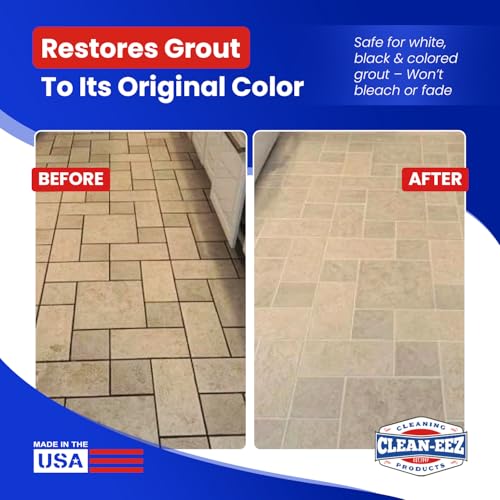
Judge results by whether the grout returns closer to its original color without leaving a hazy film on the tile. On floors, expect the biggest visual change where the problem is removable dirt or buildup; on permanently stained, damaged, or deteriorated grout, cleaning may improve appearance but not fully restore the line. Owners frequently described grout, caulk, washer seals, floors, and tile areas looking noticeably cleaner, brighter, and refreshed, with long-standing grime coming off; they also noted that some tougher stains required repeat treatment before the payoff matched expectations.
Effort Value
Grout cleaning can consume more labor than expected, especially on old floors or neglected showers. Value depends on how much usable result you get per application and how much extra scrubbing or cleanup the product demands.
Estimate the real cost by the number of passes, tools, dwell time, and rinses needed for your specific job, not just the bottle size. A cleaner that works in one long dwell with minimal scrubbing may be a better fit for shower mold, while a floor project may justify a product-and-brush system if it saves back strain across many grout lines. Owner sentiment was split on value: many felt the results were affordable and worthwhile, but perceived value dropped when stains needed multiple applications, extra rinsing, or more scrubbing than expected.
1,000,000+ shoppers use Buyer's Guide every week to find the best products and services online.

Helping millions of users make smarter purchases online.


