











We also considered 10 others:


Our Top Choice
The order above is not editorial opinion, and it is not paid placement. It comes from what shoppers across our network actually do - which mold removers for bathroom they compare, and which they ultimately buy. We re-rank as new data comes in, so the long-term favorites have to keep earning their spot against new entrants. The full method, including how we make money.
Mold Removers for Bathroom Buyer's Guide
Bathroom mold removers live in a sharp tradeoff: the chemistry needs to be strong enough to whiten black mildew-stained grout and caulk, but safe enough to use in a small, steamy room with limited ventilation. The best choice depends on where the stain is—broad tile, vertical seams, old caulk, ceiling spots, or rubber gaskets—and whether you need clinging gel precision or fast spray coverage.
Stain Power
Bathroom mold removers are judged less by general cleaning and more by whether they erase dark mildew staining from grout, caulk, seams, and shower surfaces. Strong stain removal matters because bathroom mold often sits in porous or textured areas where ordinary sprays leave shadows behind. A good pick should improve the visible stain without requiring destructive scraping or repeated harsh cleaning cycles.
For bathroom mold stains, prioritize a remover that explicitly targets mold and mildew discoloration on grout, caulk, tile, shower seams, and painted bathroom surfaces; weak all-purpose cleaners often fail on black staining embedded in porous caulk or grout. Look for clear dwell-time directions and expect that old silicone caulk with mold growing underneath may need repeat treatment or replacement, even if the visible stain lightens. Owner reports most strongly favor formulas that make stubborn shower mold, grout stains, walls, ceilings, caulk, and black tub-edge staining disappear after other cleaners failed, with the biggest satisfaction coming from dramatic whitening and renewed-looking bathroom surfaces.
Cling & Reach
Mold in bathrooms often appears on vertical seams, underside edges, narrow grout lines, and gasket folds rather than on flat open surfaces. A remover that runs off too quickly may not maintain contact long enough to lift staining. Applicator design also affects mess, precision, and how safely the product can be used in tight shower spaces.
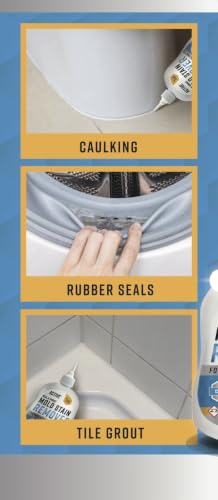
Choose the format around where the mold is: gels are usually better for vertical caulk lines, grout joints, shower-door tracks, and rubber gaskets because they stay where placed; sprays are better for broad tile, walls, ceilings, and rinseable shower areas. For overhead use, avoid uncontrolled mist and look for an applicator that lets you place product precisely without dripping into eyes, fixtures, or unprotected skin. Owner sentiment strongly supports this distinction: gel users praised thick formulas, nozzles, and staying power on vertical seams and seals, while spray users liked even coverage across tile, grout, walls, and ceilings.
Surface Fit
Bathroom mold removers interact with many materials in one small room, including porous grout, flexible caulk, painted drywall, chrome or brushed fixtures, rubber gaskets, and sometimes stone. The wrong formula can lighten, etch, stain, or degrade surfaces even when it removes the mold mark. Surface fit is especially important when cleaning around shower hardware, colored grout, or older caulk that may already be failing.
Match the remover to the actual bathroom surface before buying: glazed tile and white grout tolerate many stronger stain removers better than colored grout, natural stone, metal trim, painted ceilings, rubber seals, or aged caulk. Check the label for bathroom-specific surfaces, spot-test in a hidden area, and be cautious if your goal is whitening because the same bleaching effect that refreshes white grout can discolor finishes or fabrics. Owners reported successful use on tile, grout lines, shower seals, washing machine gaskets, ceilings, painted surfaces, drawers, sinks, and other mold-prone spots, but the strongest praise centered on surfaces looking brighter, cleaner, and newer after treatment.
Fume Safety
The same strength that helps lift old bathroom mold stains can make a cleaner unpleasant or unsafe to use without airflow and protection. Enclosed showers and bathrooms concentrate fumes, especially during longer dwell times. Buyers should also avoid mixing mold removers with other cleaners, since incompatible chemicals can create dangerous vapors.
Treat odor and fumes as a core buying criterion, not an afterthought, because bathroom mold removers are often used in small enclosed rooms with poor airflow. Prefer lower-odor options if you are cleaning a laundry nook, apartment bathroom, or shower stall with limited ventilation; for stronger formulas, plan for open windows, exhaust fans, gloves, eye protection, breaks, and keeping children and pets away. Owner feedback repeatedly says powerful results can come with overpowering chemical smell or fumes, while low-odor gel formulas were especially appreciated for bathroom and laundry-area use.
Low Scrub
Bathroom mold removal is often awkward because the dirtiest spots are in corners, seams, ceilings, and wet shower areas. A low-scrub remover saves effort and can reduce wear on caulk and grout. Dwell time still matters, because fast surface whitening and deeper staining in porous areas may require different waiting periods.
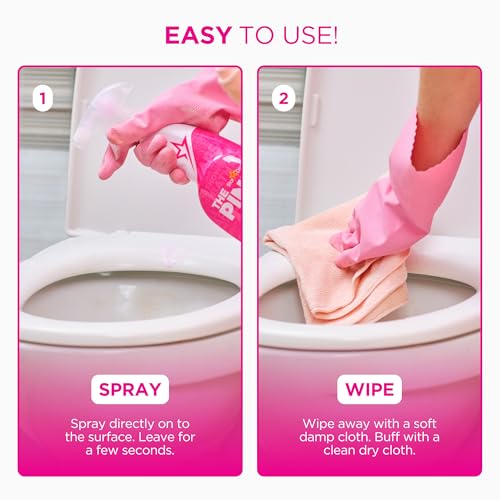
Look for a realistic spray-and-wait or apply-and-wait workflow: the best bathroom mold remover should specify how long to leave it on grout, caulk, tile, or seals, and whether it needs rinsing, wiping, or repeat applications. No-scrub claims are most useful on fragile caulk, older grout, and textured shower areas where aggressive brushing can damage the surface, but a small detail brush can still help in corners and gasket folds. Owners consistently praised products that made stains fade after spraying or applying, waiting briefly or a few hours, and rinsing or wiping with little to no scrubbing.
Use Value
Mold remover value depends on how much usable cleaning you get on the surfaces that actually need treatment. Bathroom jobs range from one stubborn shower seam to repeated maintenance across grout, sinks, tubs, and laundry seals. A product that works with fewer applications can be a better value than a larger container that needs heavy use or repeat scrubbing.
Judge value by successful coverage and repeat-use potential, not just bottle size: a clinging gel may use less product on seams, while a spray may cover broad shower walls faster but waste more on runoff. If you have one black caulk line, precision and effectiveness matter more; if you maintain multiple bathrooms, sinks, grout fields, and washer seals, coverage and how far a small amount goes become more important. Owner sentiment is mixed on value: many felt strong results justified the purchase, especially when little product handled repeated jobs, while others saw the cost as a gamble or felt cheaper bleach-style sprays could seem similar.
1,000,000+ shoppers use Buyer's Guide every week to find the best products and services online.

Helping millions of users make smarter purchases online.


