







We also considered 10 others:

Our Top Choice
The order above is not editorial opinion, and it is not paid placement. It comes from what shoppers across our network actually do - which mold cleaners for grout they compare, and which they ultimately buy. We re-rank as new data comes in, so the long-term favorites have to keep earning their spot against new entrants. The full method, including how we make money.
Mold Cleaners for Grout Buyer's Guide
Mold cleaners for grout are a tradeoff between chemical strength and controlled contact time: the best ones lift black mildew staining from porous grout and caulk without forcing you to grind away the joint. The sharp concerns are fumes, surface compatibility, and whether the cleaner actually clings long enough on vertical shower lines instead of running off and leaving residue.
Stain Power
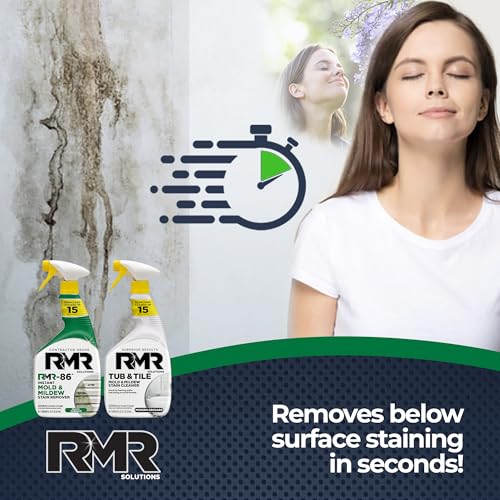
Grout is porous, so mold and mildew discoloration can sit below the surface where mild cleaners and quick wipes do little. A good mold cleaner for grout needs enough stain-lifting power to reach embedded discoloration while still being used exactly as directed. This dimension separates products that merely freshen the surface from ones that visibly restore stained joints.
For grout, prioritize a cleaner specifically labeled for mold and mildew stains, not just general bathroom soil or soap scum. Dark staining in grout pores, caulk seams, shower corners, and ceiling spots usually needs a strong stain-removing formula with a defined dwell time; very old stains may need a repeat treatment, and failed caulk may need replacement rather than more cleaner. Owner reports strongly favor the most effective formulas for stubborn shower mold, grout stains, walls, ceilings, caulk, and front-loader gasket staining after other cleaners or scrubbing did not work, with many noting dramatic visual improvement.
Cling & Dwell
Mold stain removers need contact time, and grout is often on vertical or uneven surfaces where watery liquids drain too quickly. Better cling can reduce repeated applications and limit the need for abrasive scrubbing. Ease of application matters because missed seams, corners, and caulk edges are where staining tends to return first.
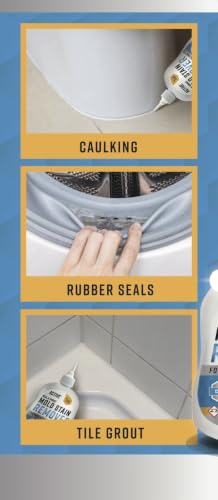
Choose the format around the surface: gels and thick foams are best for vertical grout lines, caulk beads, shower corners, and rubber seals because they stay wet in place; thin sprays are better for broad walls, ceilings, and large tile fields but can run off before doing enough work. Look for clear instructions for application thickness, dwell time, and whether wiping, rinsing, or brushing is required; avoid relying on aggressive scrubbing, which can erode grout or tear aging caulk. Owners repeatedly value no-scrub or low-scrub use, with stains often fading after spraying or spreading the cleaner, waiting, then rinsing or wiping.
Surface Fit
Grout cleaners do not work in isolation; overspray and runoff can contact tile, caulk, fixtures, paint, and seals. The right product is one whose approved surfaces match the actual bathroom materials, not just the mold stain. Checking compatibility helps prevent cosmetic damage while still getting the stain removal you bought it for.
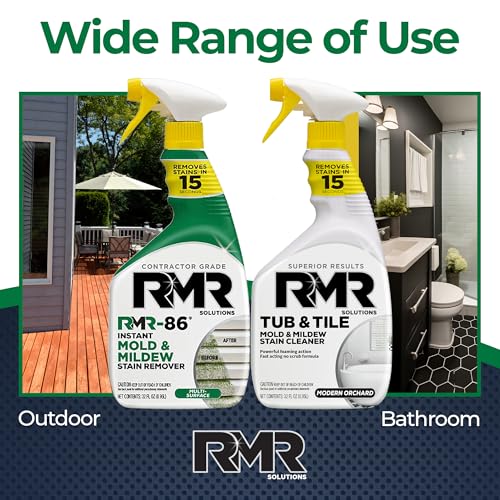
Match the cleaner to every material it will touch: cement grout, epoxy grout, silicone caulk, ceramic or porcelain tile, painted ceilings, glass, metal trim, and any washer rubber seals if you use it beyond the shower. Strong mold stain removers can lighten colored grout, stress old caulk, dull sensitive finishes, or damage natural stone unless the label explicitly allows those surfaces, so spot-test first and protect nearby fabrics and metal hardware. Owner sentiment shows these cleaners can make grout, caulk, seals, ceilings, painted surfaces, and bathrooms look much closer to their original condition, but that same strength makes surface fit a key buying filter.
Fume Control
The formulas that lift stubborn mildew staining often have stronger odors than everyday bathroom cleaners. In small showers and enclosed bathrooms, fumes can build quickly during dwell time. Safe handling and ventilation are especially important when treating grout lines near your face, overhead ceilings, or poorly ventilated corners.
Treat fume control as a core feature, not an afterthought: use these cleaners only with strong ventilation, gloves, eye protection, and enough time to leave the area while they dwell. Avoid any cleaner that encourages mixing with other chemicals; mold removers with bleach-like chemistry should never be combined with ammonia, vinegar, acids, or other bathroom products. Owners consistently flag harsh chemical odor as the main drawback, and even positive reports stress that strong ventilation is necessary.
Cleanup Burden
A cleaner that removes the stain but leaves residue can make a shower unpleasant or unsafe to use until it is fully rinsed. Tough grout stains may also require more product and more time than the label’s best-case scenario. Cleanup burden matters because it determines the real effort involved after the stain starts to fade.
Check how the cleaner finishes the job: grout and tile should be rinsed thoroughly enough that no slippery film, chalky residue, or lingering chemical smell remains. If the stain is deep in porous grout or under deteriorating caulk, budget your effort for multiple passes and consider resealing grout or replacing caulk after cleaning so the same stain does not quickly return. Owner feedback is mixed here: some users find the strength worth repeating, while others report extra rinsing, lingering odor, or multiple applications on tougher stains, which changes the perceived value of the cleaner.
1,000,000+ shoppers use Buyer's Guide every week to find the best products and services online.

Helping millions of users make smarter purchases online.


