





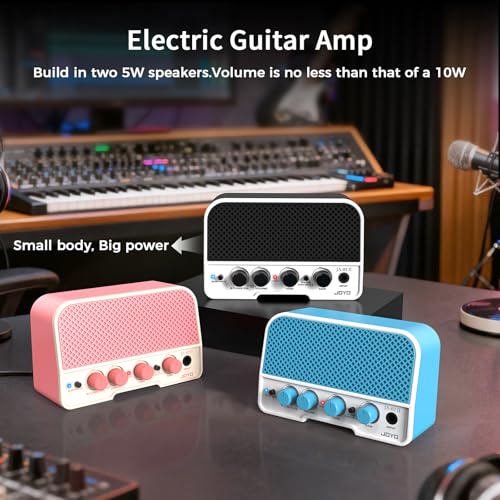


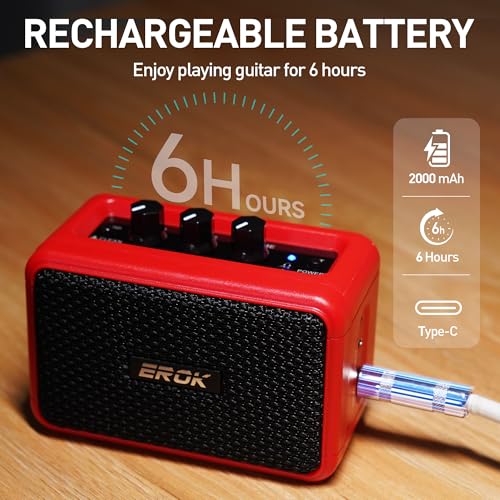


We also considered 10 others:


Our Top Choice
The order above is not editorial opinion, and it is not paid placement. It comes from what shoppers across our network actually do - which mini guitar amps they compare, and which they ultimately buy. We re-rank as new data comes in, so the long-term favorites have to keep earning their spot against new entrants. The full method, including how we make money.
Mini Guitar Amps Buyer's Guide
Mini guitar amps trade stage power and full-size speaker depth for convenience, quiet practice, and easy grab-and-go playing. The sharpest buying concerns are whether the amp still sounds clear at low volume, whether it supports private or play-along practice, and whether the small build feels durable rather than disposable.
Practice Tone
Mini guitar amps live or die by how they sound at close range, because most use happens in bedrooms, dorms, offices, or casual practice spaces. The best ones keep notes intelligible at low volume and offer enough gain control to practice both clean parts and overdriven riffs without relying on excessive loudness.
Prioritize a mini amp that stays clear and musical at low volume, with separate gain/drive and volume controls so you can get mild breakup without turning the room up. A tiny speaker will not reproduce the low end or headroom of a full-size combo, so avoid expecting big-stage fullness; instead, listen for clean note separation, tolerable hiss, and a drive sound that does not turn fizzy or harsh. Owner sentiment strongly favors small practice amps that deliver clean, satisfying, surprisingly clear sound for bedroom and beginner use. Players also value clean/drive controls because they make a compact amp feel more useful for everyday practice rather than just a loud toy.
Room Volume
A mini amp should be loud enough to feel responsive but easy to tame in shared spaces. Volume range matters more than maximum wattage because practice often happens near other people, late at night, or in rooms where excessive sound becomes the problem.
Choose for controllable bedroom loudness, not for rehearsal with drums or filling a venue. Look for a usable master volume, a headphone jack for silent sessions, and an aux or wireless playback path if you practice along with songs; avoid models that jump from too quiet to too loud or sound thin once turned down. Owners consistently describe good mini amps as having more than enough volume for bedroom practice, small spaces, beginner use, and casual playing. The same feedback also highlights headphone output as a real advantage because it allows private practice without disturbing the room while still preserving useful sound.
Compact Carry
Portability is one of the main reasons to buy a mini guitar amp instead of a larger combo. The right size encourages more frequent practice because the amp can stay accessible, move easily, and fit into small living spaces.
Check the actual dimensions, weight, handle shape, and whether the cabinet is stable enough not to tip when a guitar cable is plugged in. A good mini amp should be small enough to keep out on a desk or shelf, easy to move from room to room, and practical to pack for travel without needing a full practice rig. Owner feedback repeatedly praises compact, lightweight designs for moving around the house, storing easily, maintaining a low-footprint setup, and taking on the road. That portability is most valuable when it does not come at the cost of flimsy jacks, awkward controls, or a cabinet that rattles when played.
Practice Inputs
Practice features determine whether a mini amp becomes a daily tool or something used only occasionally. Inputs and outputs matter because guitar practice often involves playing along with music, practicing silently, or moving between plugged-in and portable use.
Look for the connections that match how you actually practice: a standard instrument input, headphone output, aux input, and Bluetooth or other playback support for songs and backing tracks. Bluetooth is best treated as a backing-track or speaker feature rather than the primary guitar connection, since direct wired guitar input is the dependable low-latency path. A rechargeable battery can be useful for couch, patio, or travel practice, but confirm that the amp can still run reliably when plugged in if you mostly play at home. Owners call out clean/drive controls, headphone jack, aux input, rechargeable battery, and Bluetooth support as features that make mini amps more versatile for beginners and hobby players, with wireless pairing adding value for play-along use and portable-speaker duty.
Lasting Value
Mini amps are handled, moved, plugged, and unplugged more often than larger amps that stay in one place. Durable controls and connectors protect the usefulness of the amp over time, especially for beginners who need a simple tool that keeps working.
Inspect the parts that fail first on small amps: input jack tightness, headphone jack feel, knob wobble, switch action, handle strength, grille protection, and whether the cabinet buzzes at higher practice volume. A low-cost mini amp can still be a smart buy if it feels solid, has simple dependable controls, and avoids disposable construction; conversely, extra features are not worth much if the jacks or pots feel fragile. Owner sentiment favors models that feel straightforward, dependable, and beginner-friendly, with some buyers reporting years of trouble-free use. Shoppers also see strong value when an amp feels affordable without feeling cheaply throwaway and when sound quality, portability, and practical features all support regular practice.
1,000,000+ shoppers use Buyer's Guide every week to find the best products and services online.

Helping millions of users make smarter purchases online.


