













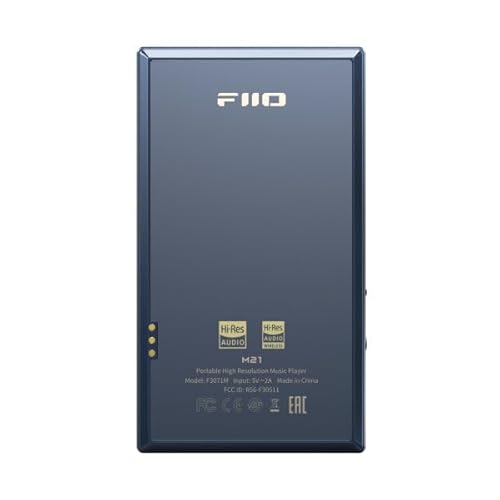

We also considered 10 others:


Our Top Choice
The order above is not editorial opinion, and it is not paid placement. It comes from what shoppers across our network actually do - which digital audio players they compare, and which they ultimately buy. We re-rank as new data comes in, so the long-term favorites have to keep earning their spot against new entrants. The full method, including how we make money.
Digital Audio Players Buyer's Guide
Digital audio players are bought for a narrow tradeoff: better dedicated listening and local-library control than a phone, without turning daily music into a fiddly hobby. The biggest separators are wired headphone matching, pocketable hardware, and whether the software stays pleasant after the first week, especially when Bluetooth, updates, or battery-saving modes enter the picture.
Sound Match
A digital audio player is only as good as the chain between its files, amplifier stage, and your headphones. Matching output power, noise level, and controls to your listening gear prevents hiss with sensitive earphones and weak dynamics with demanding headphones.
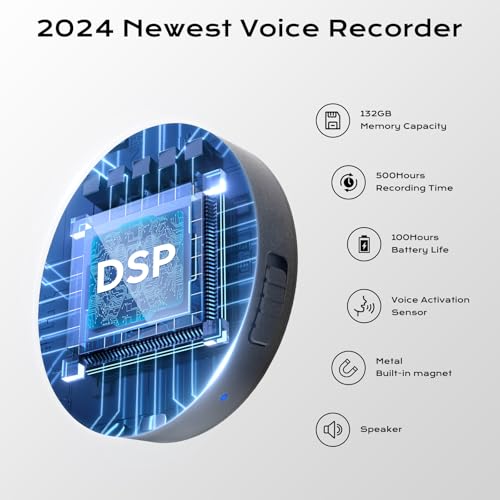
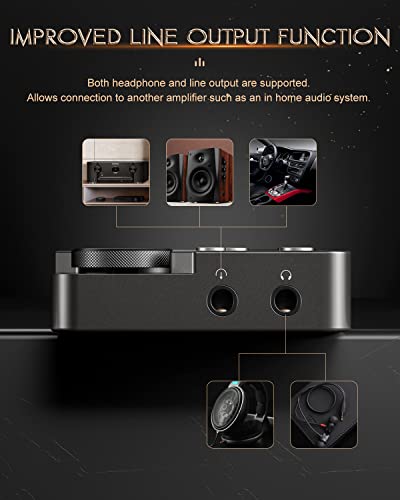
Start with the headphones or IEMs you actually use. Sensitive IEMs need a quiet noise floor, low output impedance, and usable low-gain volume steps; harder-to-drive headphones need enough rated output power at their impedance, not just a “hi-res” badge. Look for the outputs you need, such as standard single-ended or balanced, plus gain settings, clean EQ, gapless playback, and strong volume without hiss or clipping. Owner sentiment strongly supports prioritizing the core wired audio path: buyers praised clean, detailed playback, strong volume, and especially good results through wired headphones or IEMs. At the same time, recording and sound impressions were not universally clean, with some owners noticing background noise or voice-activation behavior that did not match expectations, so shoppers who need recording as well as playback should treat microphone performance as its own requirement.
Pocket Build
Portability matters more here than in many audio categories because the player competes with a phone you already carry. The best build is not just sturdy; it is small, grippy, pocket-safe, and easy to control while walking or commuting.
Choose the size and layout around where the player will live: jeans pocket, gym pouch, campus bag, desk, or travel case. A tiny player is easier to carry, but can mean a smaller screen, tighter buttons, shorter battery room, and less comfortable library browsing; a larger player may bring better controls and outputs but can stop feeling like an everyday carry. Check weight, chassis rigidity, jack placement, button lock, screen protection, and whether the player can be operated one-handed or by feel. Owner feedback repeatedly favored compact, lightweight designs that were easy to carry to classes, meetings, around campus, or in a pocket without noticing them. Owners also responded well when the build and form factor felt solid and portable, while appearance and retro styling added appeal when the hardware still felt practical.
Library Controls
Digital audio players often hold large local libraries, so small navigation flaws get repeated every day. A responsive interface, clear file workflow, and usable physical controls can matter as much as sound quality once the novelty wears off.
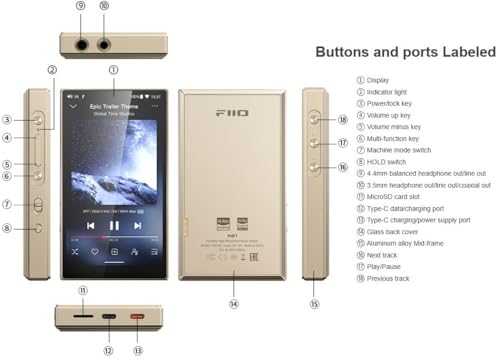
A good player should make loading, finding, and controlling music feel predictable. Look for drag-and-drop file transfer or dependable media syncing, support for your file types, folder browsing as well as tag browsing, playlist handling, resume, search, gapless playback, and physical transport buttons that work with the screen off. Android-based players can feel modern and responsive, but simpler systems can be faster for local files if they avoid clumsy menus; either way, poor button response or confusing manual controls will become annoying quickly. Owner sentiment shows both sides: some users loved simple startup and file retrieval that felt like copying files from a flash drive, and others praised a fast, responsive interface. But daily use became more mixed when interfaces, manual controls, and button behavior felt clunky or required patience to learn.
Battery & Power
A dedicated player should reduce battery anxiety, not create another device that dies halfway through the day. Runtime depends heavily on output mode, wireless use, screen time, and software behavior, so real-world power management matters more than a single headline number.
Match runtime claims to your real use case: local wired playback usually lasts longer than streaming, Bluetooth, high-gain output, bright screens, Wi-Fi, or recording. If you listen at a desk, look for a desktop or battery-bypass mode; if you travel, check standby drain, charging speed, heat behavior, and whether battery-saving settings are easy to use without crippling the experience. Be skeptical of battery claims that do not say what output, volume, screen, and wireless settings were used. Owners reported standout battery life in some cases, including all-day recording sessions even before a full charge. However, battery life was mixed overall, with desktop mode and battery-saving options appreciated when they worked well, which makes power management a key buying filter rather than an afterthought.
Wireless Reliability
Wireless features add convenience but also add pairing, codec, update, and compatibility variables. In this category, a player can sound excellent through a cable while still being frustrating as a Bluetooth or streaming device.
Buy primarily for wired playback unless the wireless feature set is proven stable for your needs. If you use Bluetooth, verify the exact codecs you care about, whether the player works as a transmitter, receiver, or both, how pairing is handled, and whether latency matters for video. For streaming-capable players, check Wi-Fi stability, update history, app compatibility, onboard storage, and whether connected features slow down the interface over time. Owner sentiment suggests the core audio experience can be stronger than the connected experience: wireless and software reliability were less consistent, with some users running into Bluetooth, connectivity, or update-related problems over time. Bluetooth features also contributed to daily-use clunkiness for some owners, so shoppers should not assume wireless performance is equal to wired sound quality.
Total Value
The best-value digital audio player is the one that avoids forcing upgrades, workarounds, or compromises in your specific setup. Reliability and feature execution are part of value because a player that sounds good but behaves inconsistently may not stay satisfying.
Judge value by how completely the player fits your actual listening setup, not by a long spec list. A strong buy has the outputs, storage handling, controls, battery behavior, accessories, and reliability you need; a weaker one may look attractive but miss on software polish, feature execution, or long-term dependability. If you only need a small local-music player, simplicity and portability may be the value; if you use demanding headphones or streaming apps, stronger hardware and software support matter more. Owners often connected value with strong sound, everyday portability, useful features, and appealing design. But sentiment also notes good-not-great value when accessories and affordability were offset by reliability concerns or features that did not execute consistently.
1,000,000+ shoppers use Buyer's Guide every week to find the best products and services online.

Helping millions of users make smarter purchases online.


