


.png)











Our Top Choice
Why These Features Matter:
A hedge trimmer is one of those tools that feels like a power move until it’s 92 degrees out, the extension cord has wrapped itself lovingly around a chair leg, and the “quick touch-up” turns into a sweaty negotiation with a row of overgrown privet. The best hedge trimmer isn’t the one with the most intimidating numbers on the box; it’s the one that makes a messy, vaguely annoying task feel controlled — like you’re shaping the yard instead of wrestling it.
Good ones have a certain glide. They don’t chatter through thin growth, they don’t yank your wrists around when you change angles, and they don’t require a full emotional reset every time you need to reposition. The features below are the ones that actually show up in real life: along fences, under eaves, around kids’ toys you swear weren’t there five minutes ago.
Power That Feels Calm (Not Feral)
Plenty of trimmers can cut. Fewer can cut without making everything feel like a small, buzzing emergency. The sweet spot is a motor and blade combo that moves through leafy growth with a steady confidence — not the frantic rattling that makes you wonder what’s about to snap first: the branch or your patience.
- Look for consistent torque — the trimmer shouldn’t bog down the moment it hits slightly thicker stems.
- Pay attention to “stall” complaints in reviews. That’s usually code for “this tool is fine until it isn’t,” which is not the vibe mid-hedge.
- Balanced power beats maximum power for most homes. If the yard isn’t an estate, a trimmer that’s controllable and predictable will get used more often.
Blade Length: The Temptation vs. The Reality
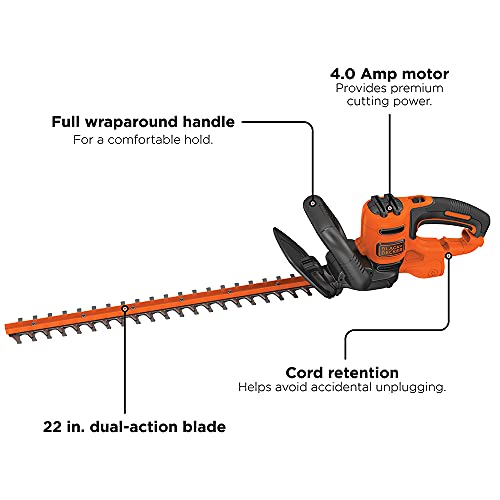
Longer blades look efficient — one swoop and suddenly you’re the kind of person who has crisp hedges. The catch: longer blades can feel unwieldy in tight spaces, especially along gates, stair rails, narrow side yards, or anywhere a shrub has quietly invaded a walkway.
- Short-to-mid blade lengths tend to feel nimble and less tiring for quick shaping.
- Long blades are satisfying on long, flat runs (think: a formal hedge line), but can be awkward around curves and corners.
- Real-life tell: If the yard has lots of “fussy” areas (around light fixtures, near downspouts, between plants), a slightly shorter blade is often the smarter choice.
Weight and Balance: Wrist-Friendly or Regret
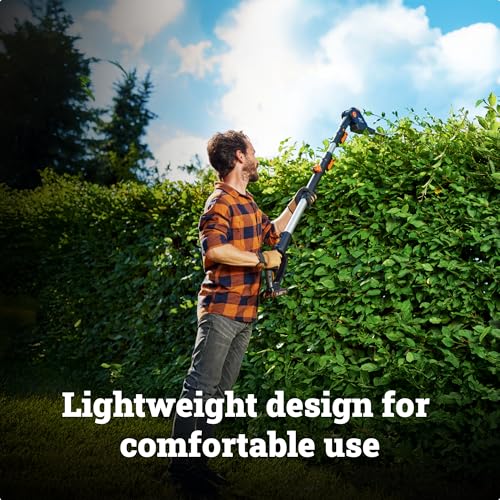
On paper, a pound here or there seems trivial. In practice, weight is the difference between “trimmed the hedges before dinner” and “had to sit down and stare into the middle distance.” Balance matters even more. A well-balanced trimmer feels like an extension of the arms; a nose-heavy one feels like it’s slowly trying to leave.
- Favor trimmers that feel neutral in the hand, not like all the mass is pulling forward.
- Pay attention to handle comfort. Cheap plastic grips get slippery with sweat; better ones feel secure even when hands are dusty or damp.
- If overhead trimming is likely (taller hedges, top shaping), lighter is almost always better than “more powerful.”
Noise Level: The Neighborhood Factor
A hedge trimmer is never whisper-quiet. Still, there’s a meaningful difference between a tool that sounds like an annoyed beehive and one that makes the whole block feel like it’s being resurfaced. Noise also affects how long someone can stand using it without feeling frazzled.
- Quieter trimmers tend to feel less stressful — you’ll notice it after five minutes.
- High-pitched noise is worse than loud noise. It’s the kind that ricochets off siding and gets into your teeth.
- Practical move: If early-morning or close-quarter trimming is the norm (townhouses, duplexes), prioritize models praised for lower noise.
Corded vs. Cordless: The Cord Will Always Find Your Ankles
Corded trimmers are the reliable old-school choice — consistent power, no battery anxiety — but the cord adds a constant low-grade annoyance. It catches. It drags. It loops around shrubs with the quiet determination of a sentient vine. Cordless trimmers, meanwhile, remove that drama but introduce a new one: runtime and charging habits.
- Corded makes sense for small yards where an outlet is close and the trimming is short and regular.
- Cordless wins for normal human life: hopping around the yard, moving from front to back, trimming where the cord never quite reaches.
- Battery ecosystem matters. If there are already compatible yard tools, staying in the same battery family reduces clutter and the “where is that charger?” scavenger hunt.
Runtime and Charging: The Quiet Mathematics of Annoyance
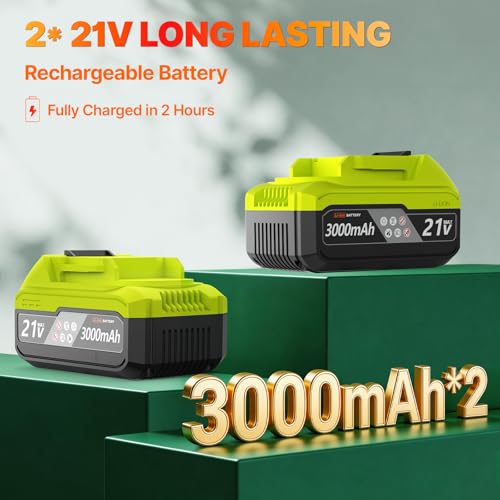
Most people don’t mind charging a battery. They mind charging a battery twice mid-task because the hedge turned out to be thicker than expected. A trimmer that fades too quickly creates a specific kind of resentment — especially if the yard is almost done and now looks like a half-finished haircut.
- Look for realistic runtime — reviews that mention finishing a typical yard on one charge are gold.
- Fast chargers are underrated if trimming happens in bursts (weekend errands, kid schedules, unpredictable weather windows).
- Best real-life setup: a spare battery if the yard is medium-to-large, or if the hedge line is long enough to qualify as a “project.”
Cut Quality: Clean Slices vs. Shredded Leaves
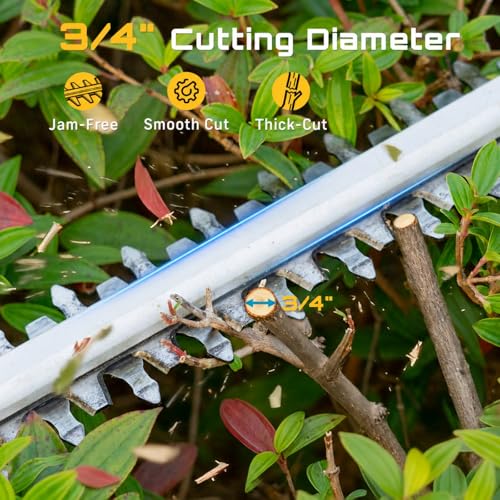
A good cut looks crisp and intentional. A bad cut looks like the hedge was chewed. Torn leaves aren’t just ugly; they can brown at the edges and make the whole thing look tired. Cut quality often comes down to sharpness and how well the blades stay aligned under load.
- Smoother cutting means less post-trim mess — fewer ragged bits fluttering onto the patio.
- Blades that stay sharp longer matter for people who don’t want another item on the “maintenance” list.
- If the hedge includes thicker stems, prioritize a trimmer that reviewers say doesn’t “tear” through growth.
Ergonomics: The Handle Shouldn’t Fight You
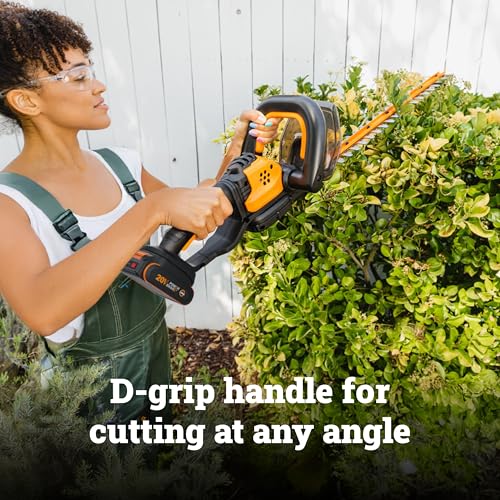
Hedges are rarely at a comfortable height, and trimming usually involves odd angles: reaching, rotating, leaning, trying not to clip the hydrangea that’s definitely too close. A trimmer with thoughtful grip placement and an easy-to-reposition hold makes this feel less like a workout designed by a sadist.
- Multiple grip options help when switching from vertical sides to horizontal tops.
- Easy controls matter more than people think — especially with gloves on.
- Watch for “awkward to maneuver” complaints. That usually means the tool is fine in a straight line and annoying everywhere else.
Storage and Everyday Annoyances (Because Tools Live Somewhere)
Hedge trimmers aren’t small. They end up wedged behind strollers, next to patio cushions, or in a garage corner where they snag everything. Storage is where “great tool” becomes “why is this in the way again?”
- Blade covers are non-negotiable — not just for safety, but to keep the blade from getting dinged up while tossed on a shelf.
- Hanging hooks or wall-mount compatibility makes a surprising difference in keeping things civilized.
- Cord management (for corded) is worth caring about. A dangling cord is how tools turn into a pile.
Things to Know Before Choosing
- For tidy, small hedges: prioritize light weight, easy maneuvering, and quick setup. A trimmer that’s easy to grab gets used more often.
- For thick, mature hedges: prioritize power under load and strong cut quality. Otherwise it’s repeated passes and a lot of noise for not much progress.
- For detail work and shaping: shorter blades and better ergonomics beat brute force.
- For large yards or multiple hedge lines: cordless convenience plus enough runtime (or a second battery) keeps the task from becoming a multi-day saga.
Honest Caveats (No Hedge Trimmer Is Magic)
- All trimmers vibrate. The goal is “tolerable,” not “spa day.” If numb hands show up in reviews, take it seriously.
- All of them make a mess. Some just make a more manageable mess. Plan for tarps or a quick rake situation.
- Hedges don’t forgive neglect. If trimming happens twice a year, expect thicker stems and more strain on the tool — and on the arms.
- Maintenance exists. Even low-maintenance models need basic cleaning and occasional blade attention, unless “rusty and sad” is the yard aesthetic.
Quick Guidance: Picking the Right One Without Spiraling
- Start with your hedge type: soft leafy growth and occasional shaping vs. dense, woody, years-in-the-making hedges.
- Decide how much cord drama is acceptable: if the thought of managing an extension cord already feels irritating, go cordless.
- Choose comfort over bragging rights: a slightly less powerful trimmer that’s lighter and easier to control will get more use — and lead to better-looking results.
- Trust the complaints that repeat: “heavy,” “awkward,” “stalls,” “battery dies fast,” and “hard to control” are the ones that will become your personal chorus.
Don't miss the latest sales on Hedge Trimmers and more. Get the best prime day deal today!
.png)
1,000,000+ shoppers use Buyer's Guide every week to find the best products and services online.

Helping millions of users make smarter purchases online.


