


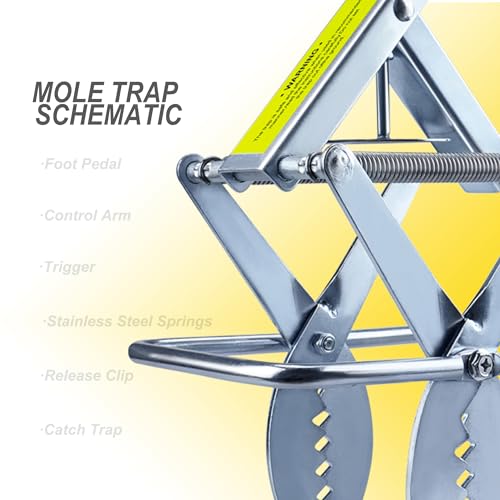


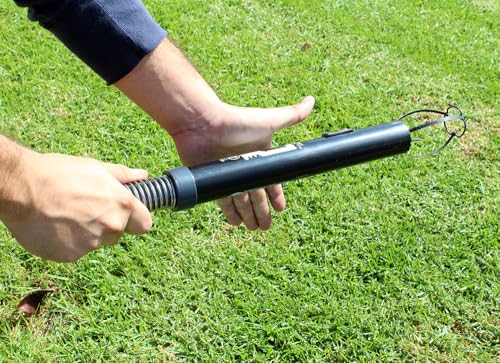




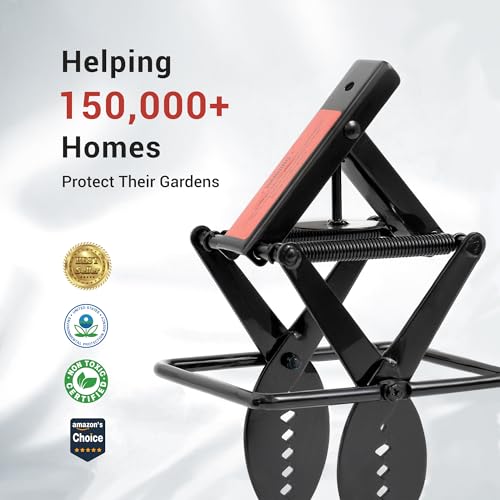


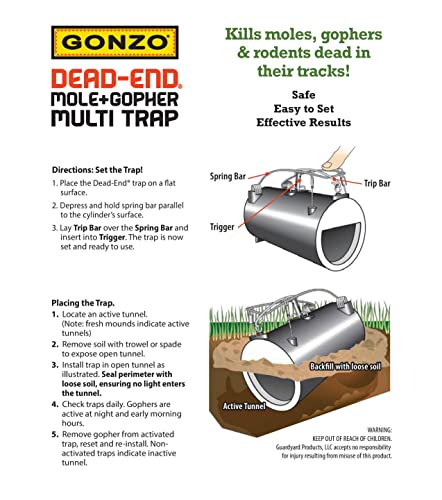


We also considered 10 others:


Our Top Choice
The order above is not editorial opinion, and it is not paid placement. It comes from what shoppers across our network actually do - which gopher traps they compare, and which they ultimately buy. We re-rank as new data comes in, so the long-term favorites have to keep earning their spot against new entrants. The full method, including how we make money.
Gopher Traps Buyer's Guide
Gopher traps are won or lost underground: the best pick must hit an active runway cleanly, hold its set in loose soil, and fire with enough authority before the animal bypasses it. The sharpest tradeoff is between fast, lethal effectiveness and the practical realities of trigger setup, tunnel fit, and safety around pets, children, and non-target wildlife.
Tunnel Results
Gophers spend most of their time below ground, so a trap must match how they move through and repair tunnels. Even a strong trap can look ineffective if it is placed in an abandoned lateral mound tunnel instead of a fresh active runway. Good buying decisions focus on proven underground interception, not just general pest-control claims.
Prioritize traps designed to sit directly in a fresh, active main tunnel rather than products that only treat the surface mound. Look for a mechanism that blocks or straddles the runway, trips from the gopher’s natural pushing or digging motion, and can be checked without collapsing the tunnel every time; avoid relying on repellents or surface-only tricks when the goal is confirmed removal. Owner reports strongly favor methods that actually intercept active tunnels, with many saying successful traps worked after repellents, sprays, smoke, water tricks, poisons, or older trap styles failed; they also note that results may require patience, correct placement, and repeat treatment over days or weeks.
Trigger Setup
Gopher trapping often involves several sets across a yard, so a hard-to-arm trap becomes frustrating quickly. A trigger that is too touchy can spring during placement, while one that is too stiff may never fire when the animal contacts it. Clear setup feedback matters because the trap is usually hidden underground once the job begins.
Choose a trap you can arm consistently while wearing gloves and working from an awkward crouch over a small excavation. A good gopher trap should have a trigger that latches predictably, a clear fired/not-fired indication, and instructions that explain tunnel excavation, orientation, and reset steps; be cautious with designs that need excessive hand strength, delicate balancing, or unexplained trigger tuning. Owner sentiment makes setup one of the biggest separators: some buyers praise easy arming and obvious fired status, while others struggle with force, trial and error, touchy mechanisms, weak instructions, or needing outside videos before the trigger will hold.
Tunnel Fit
A gopher trap has to occupy a narrow underground space without collapsing the runway or sitting off-center. If it shifts, rocks, or does not match the tunnel diameter, the animal may pack dirt around it, avoid it, or trigger it poorly. Fit and stability are especially important because the user cannot watch the interaction once the trap is covered.
Match the trap’s jaws, tunnel spread, and anchoring style to the size and soil conditions in your yard. In sandy, loose, or crumbly soil, look for a design that stays centered in the run and does not rock when backfilled; in tighter clay tunnels, avoid oversized jaw geometry that is hard to latch or blocks the tunnel unnaturally. Owner feedback flags stability and fit as real failure modes: some traps rock in the tunnel and become harder to set securely, while others are described as having jaw or trigger geometry that feels oversized or poorly matched, making secure latching difficult or impossible.
Build Strength
Underground traps need more than sharp-looking hardware; they must keep their geometry and spring force after being set, fired, cleaned, and reset. Dirt and moisture can expose weak pivots or light-duty materials quickly. Strong construction also supports effectiveness because the animal has only one brief contact with the mechanism.
Look for corrosion-resistant metal, strong springs, clean pivot points, and a strike mechanism that still closes decisively after repeated dirty, wet yard use. Traps used underground face grit, moisture, roots, and forceful resets, so weak springs, bend-prone jaws, or flimsy trigger parts can turn into missed catches or short service life. Owners often praise sturdy builds and solid, forceful mechanisms that handle repeated yard use, but they also report inconsistent quality in some cases, including weaker springs or parts compared with older traps.
Use Safety
Gopher control happens in shared outdoor spaces, so the safest option depends on who uses the yard and what animals can access the area. Mechanical traps concentrate risk at the set location, while toxic baits introduce different handling, placement, and secondary-exposure concerns. A careful shopper weighs removal speed against the consequences of a misused or misplaced control method.
Decide up front whether you want a mechanical trap or bait, then buy for the safety risks of that method rather than convenience alone. Mechanical traps should be placed fully underground, covered, flagged, and kept away from pets and children during checks; bait or poison should only be used where label directions, local rules, carcass risk, and secondary exposure concerns are acceptable. Owner sentiment supports this caution: bait is described by some as straightforward and dependable, but buyers also express unease about poison use, especially when protecting a lawn in areas where pets or other animals may be present.
Real Value
The cheapest gopher-control option is not always the lowest-cost solution if it requires repeated failed sets. Value depends on catch reliability, durability, and how many placements are needed before the yard is clear. Because infestations vary, the best purchase is one whose design matches your willingness to check, reset, and refine placement.
Judge value by the number of active tunnels you need to cover, how much time you can spend learning placement, and whether the tool is reusable after the first catch. Multi-trap coverage can matter because gopher systems often have more than one active route, but cheap traps that are hard to set or too flimsy can waste both time and lawn damage; a pricier reusable design may be worthwhile only if it reliably works in your soil and infestation pattern. Owner feedback is divided in exactly this way: successful buyers often see traps or bait as worth it and cheaper than hiring help, while unsuccessful buyers feel the money and effort were wasted when setup was difficult or results did not come.
1,000,000+ shoppers use Buyer's Guide every week to find the best products and services online.

Helping millions of users make smarter purchases online.


