












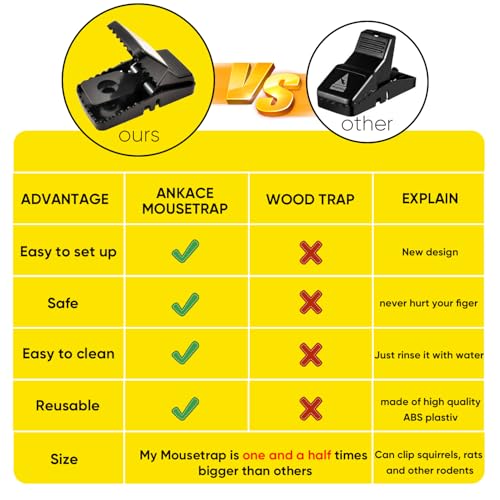


We also considered 10 others:


Our Top Choice
The order above is not editorial opinion, and it is not paid placement. It comes from what shoppers across our network actually do - which rat traps they compare, and which they ultimately buy. We re-rank as new data comes in, so the long-term favorites have to keep earning their spot against new entrants. The full method, including how we make money.
Rat Traps Buyer's Guide
Rat traps sit on a sharp tradeoff: the fastest catch is not always the safest or easiest one to empty. In this category, careful shoppers need to match the trap to full-size rats, place bait where cautious rodents will commit, and keep pets or children away from snapping mechanisms and poison residue.
Capture Reliability
Rats are cautious, strong, and larger than mice, so a trap has to work with their travel paths and commit them to the trigger or bait area. A good trap should produce repeatable catches when placed along walls, near droppings or rub marks, and baited in a way the rat cannot steal without engaging the mechanism.
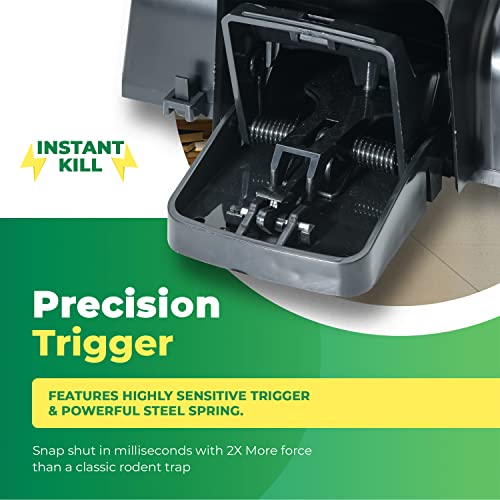
Prioritize traps with a decisive trigger, a stable base that will not rock when a rat investigates, and a bait cup or bait zone that forces the animal into the strike or containment area. For snap-style traps, avoid weak springs or vague trigger settings that can injure without killing; for bait stations, expect results only if the rodent actually accepts the bait. Owner feedback supports this: buyers report fast catches when traps are baited and placed correctly, but effectiveness is also described as hit-or-miss when rats or mice do not take the bait. Reports of inconsistent clean kills are an important warning because they make disposal more stressful and reduce confidence in the trap.
Rat Fit
Many products sold for rodents are really sized around mice or small rats, which can be a problem in a true rat infestation. Entrance height, chamber depth, trigger reach, and bait-station interior space all determine whether a large rat will enter far enough for the device to work.
Check the actual entrance dimensions and internal chamber size before buying, especially if droppings, gnaw marks, or sightings suggest mature rats rather than mice. Enclosed snap traps and bait stations should let a rat’s shoulders pass comfortably and should position the trigger or bait deep enough that the rat cannot feed from the doorway. Avoid mouse-scale openings for outdoor, garage, attic, or sewer-adjacent problems where larger rodents are likely. Owner sentiment repeatedly flags size as a watch-out: openings and stations are sometimes considered too small for very large rats or bigger rodent problems.
Home Safety
Rat control often happens in kitchens, garages, yards, and pet areas, so access control matters as much as catching power. The safer choice depends on whether the trap uses a snap mechanism, a live-catch chamber, or poison bait, because each creates different risks for children, dogs, cats, and non-target animals.
In homes with pets or children, choose a covered snap trap or tamper-resistant bait station with a secure latch, internal bait rods, and no exposed trigger, jaws, or loose poison. If using rodenticide, avoid any setup that can spill bait dust or allow blocks to be dragged out; place stations only where they can be monitored and where local use rules allow. For mechanical traps, make sure paws and noses cannot reach the strike bar through the entrance. Owner reports back up this priority: enclosed mechanisms make pet owners feel more confident because dogs cannot easily reach the snapping parts, but messy packaging or loose bait dust can make safety feel less reassuring around dogs.
Reset Cleanup
A rat trap is only useful if it can be checked, emptied, cleaned, and reset without making the user avoid it. Reusable enclosed designs can be more practical than open snap traps, but only when disposal is controlled and the trap does not trap odors, fluids, or debris in hard-to-clean areas.
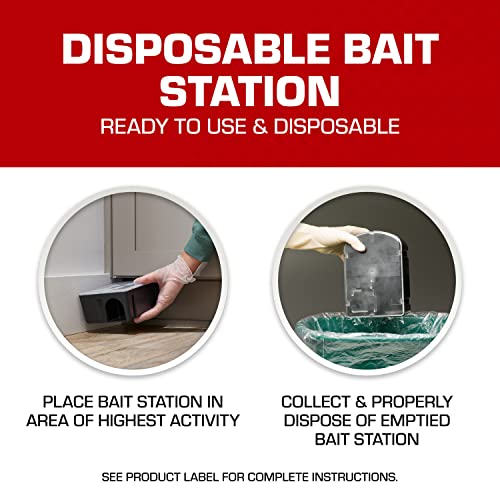
Look for no-touch emptying, a reset action that keeps fingers away from the strike zone, smooth washable surfaces, and a design that lets you confirm a catch without opening it blindly. If you are uncomfortable handling dead rodents, favor enclosed traps with clear indicators or disposable containment; if you need repeated use, avoid designs with crevices that hold bait, urine, or remains. Owner sentiment is strong on this point: setup, cleaning, and resetting are often considered simple, and reusable enclosed designs are viewed as more practical than traditional snap traps. The caveat is that non-clean kills make emptying unpleasant or stressful.
Bait System
Bait is not an afterthought with rats; it is part of the trap system. Some traps work with household bait, while bait stations may require compatible blocks or refills, so long-term usability depends on what the device accepts and how easily it can be replenished.
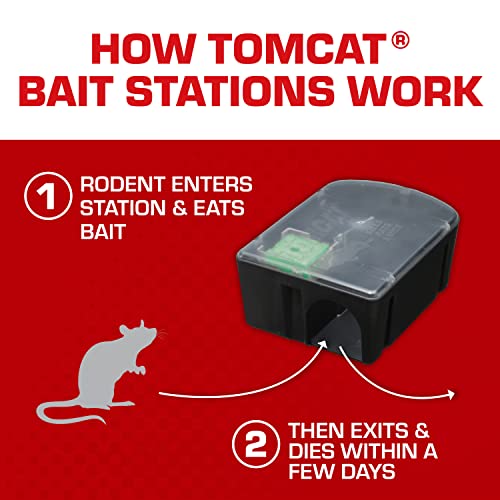
Before choosing, verify whether the trap uses standard food bait, proprietary attractants, or rodenticide refills, and confirm that refills fit securely without crumbling, spilling, or blocking the entrance. For bait stations, look for rods or trays that hold bait in place and allow quick inspection without scattering poison; for mechanical traps, choose a bait cup that prevents rats from stealing bait from the side. Owner feedback shows why this matters: many see quick results when rodents take the bait, and bait stations are considered straightforward to set out in traffic areas. However, value depends on expectations because refill limitations and compatibility complaints can offset the appeal of an easy starter setup.
1,000,000+ shoppers use Buyer's Guide every week to find the best products and services online.

Helping millions of users make smarter purchases online.


