







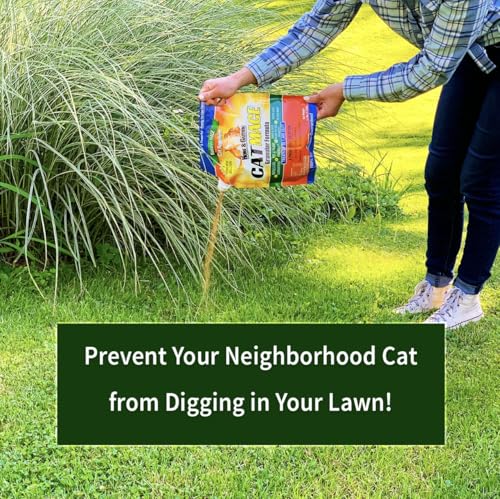




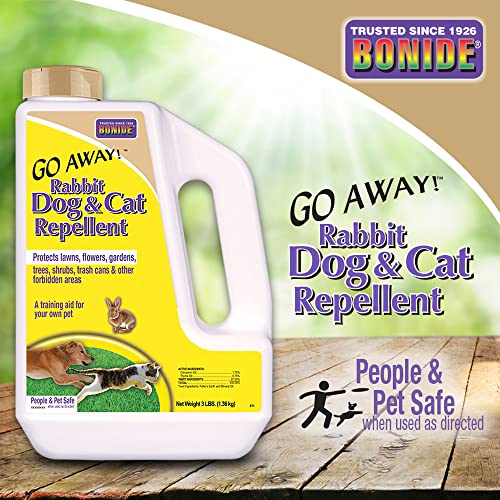


We also considered 10 others:


Our Top Choice
The order above is not editorial opinion, and it is not paid placement. It comes from what shoppers across our network actually do - which feral cat deterrents they compare, and which they ultimately buy. We re-rank as new data comes in, so the long-term favorites have to keep earning their spot against new entrants. The full method, including how we make money.
Feral Cat Deterrents Buyer's Guide
Feral cat deterrents have to be strong enough to interrupt real cat habits—digging, spraying, defecating, sheltering, and route-following—without harming animals, pets, kids, or neighbors. The sharpest tradeoff is usually between humane effectiveness and upkeep: scent barriers need reapplication, electronic units need correct placement and power, and any deterrent can fail if food, shelter, or easy access remains.
Cat Effectiveness
A deterrent is only useful if it affects the animal behavior you are actually trying to stop. Feral cats can be persistent, repeat-route animals, so broad “critter repellent” claims matter less than whether the method disrupts cats entering, digging, marking, or resting in your specific space.
Prioritize deterrents that match the cat problem: motion-activated devices for entry paths and resting spots, granular or scent barriers for garden beds and digging zones, and physical exclusion for gaps under decks, sheds, or fences. Avoid assuming a product that repels one animal will repel all others; cats, deer, rabbits, raccoons, skunks, and groundhogs respond differently, and feral cats may habituate if the stimulus is weak, predictable, or poorly placed. Owner feedback supports this variability: ultrasonic-style yard units were often praised for keeping unwanted animals, including cats, out of gardens and yards, while broader repellent results were described as hit-or-miss depending on the animal, and deer resistance was a common disappointment.
Placement Fit
Cat deterrents work best when they are placed at the behavior point, not just somewhere nearby. Coverage shape, sensor height, spread pattern, and the ability to move the deterrent as cat routes change can separate a useful setup from one that leaves gaps.
Look for coverage that fits the exact site: a low, cat-height motion sensor aimed across a path rather than straight down it; a stable stake or mount that will not tilt; and granules that can be dispensed evenly around beds, borders, planters, and freshly disturbed soil. For ultrasonic or motion units, check that plants, parked cars, steps, or fence posts will not block the detection zone; for granules, avoid patchy application that leaves an obvious untreated entry strip. Owners repeatedly valued simple setup and movement around the yard or garden, and granular deterrents were praised when they were easy to apply and dispense around flower beds, gardens, and plants.
Upkeep Load
Most outdoor deterrents are not set-and-forget. Rain, irrigation, dead batteries, blocked solar panels, and normal scent fade can all create windows where cats return and re-establish the habit.
Choose a maintenance style you will actually keep up with: weather-resistant electronics with dependable battery or solar support for continuous monitoring, or repellents whose label makes reapplication intervals clear after rain, watering, or heavy dew. In wet climates or irrigated gardens, scent and granular barriers need a realistic reapply plan; in shaded yards, solar-powered units may need enough battery reserve or alternate charging. Owner sentiment lines up with this: protection could last when reapplied diligently, especially after heavy rain, but faded when applications were not maintained, while some electronic units were viewed as practical to leave in place because of long battery life and a small footprint.
Safe Tolerance
Feral cat deterrents should discourage access without injuring cats or creating hazards for household pets, wildlife, children, or neighbors. Safety also includes nuisance factors such as harsh odor, audible noise, flashing lights, and overspray that can make the solution unacceptable even if it works.
Avoid poisons, mothballs, sticky traps, sharp barriers, or anything that can injure cats or contaminate soil; favor humane deterrents such as motion activation, scent barriers labeled for outdoor animal repelling, water-based startling, or exclusion materials that block access without trapping animals inside. If the treated area is near doors, patios, open windows, vegetable beds, or a neighbor’s property line, check for odor strength, overspray direction, and whether children or pets can contact the material. Owner reports make tolerance a real buying factor: smell was a major drawback at first for some scent-based repellents, even when it dissipated after a day or two, while sturdier, practical garden-tool impressions helped electronic options feel easier to live with.
Value Match
The best value is not simply the cheapest deterrent; it is the one that solves the specific cat problem with an acceptable amount of upkeep. A low-effort device may be worth more in a persistent route, while a consumable repellent can make sense for a small seasonal digging issue.
Match the deterrent to the scale of the nuisance before buying: a few garden-bed visits may only need a targeted barrier and reapplication, while repeated spraying, porch sheltering, or nightly travel routes may require layered deterrence plus removing attractants such as food, water, accessible crawlspaces, or loose soil. Be cautious with one-method solutions when the area has multiple entry points or ongoing attractants; failed results quickly turn any deterrent into wasted effort. Owners were divided on value for money: many called a deterrent cost-effective when it solved the animal problem, but failed or fading results made others feel the purchase was wasted.
1,000,000+ shoppers use Buyer's Guide every week to find the best products and services online.

Helping millions of users make smarter purchases online.


