


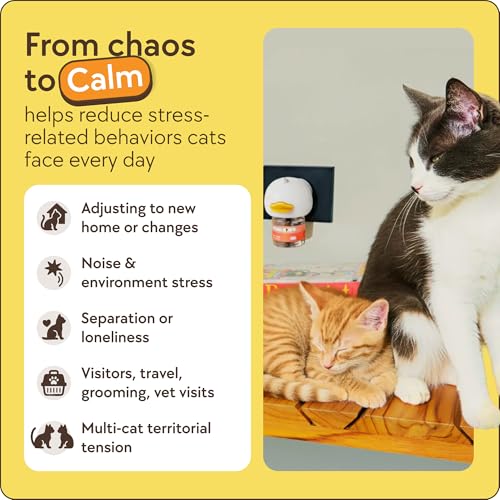



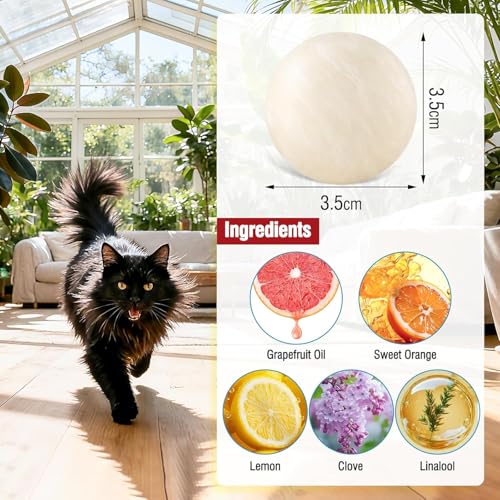


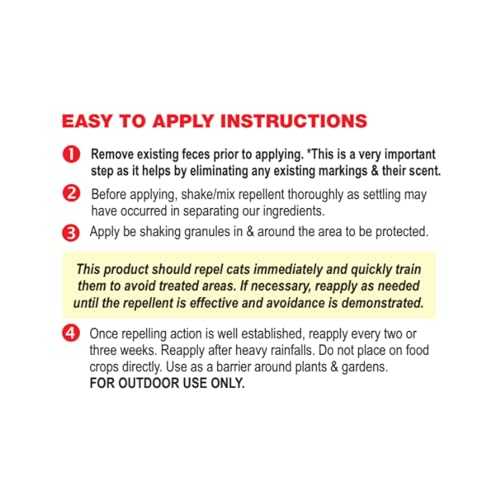
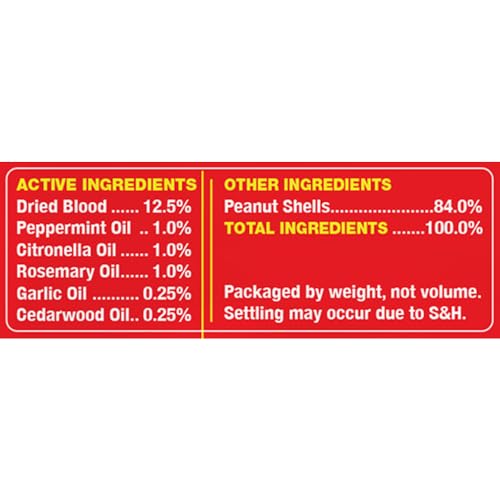


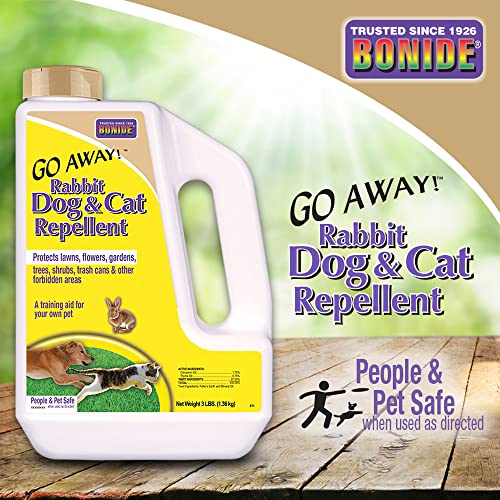


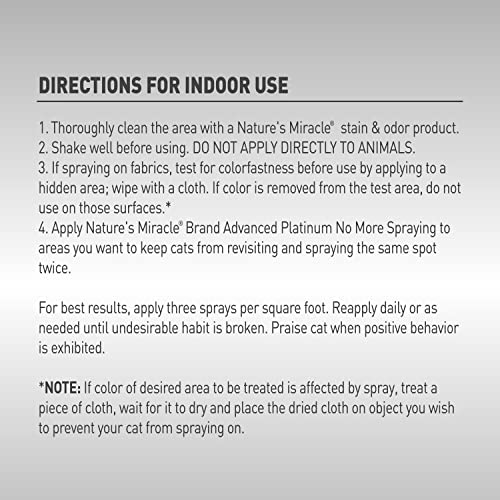
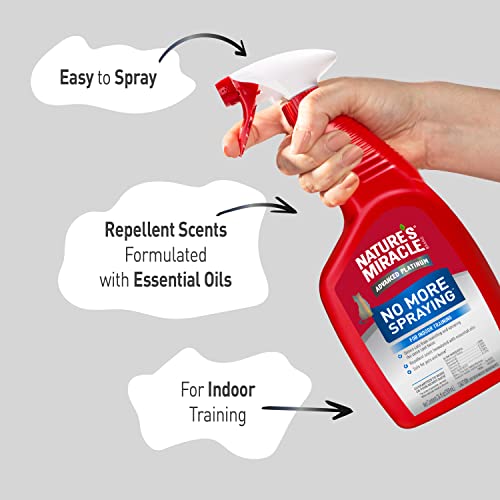


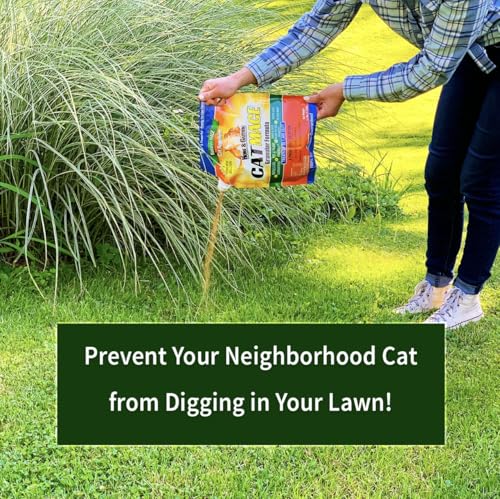







We also considered 10 others:


Our Top Choice
The order above is not editorial opinion, and it is not paid placement. It comes from what shoppers across our network actually do - which cat repellents they compare, and which they ultimately buy. We re-rank as new data comes in, so the long-term favorites have to keep earning their spot against new entrants. The full method, including how we make money.
Cat Repellents Buyer's Guide
Cat repellents are a tradeoff between humane deterrence and real-world persistence: the product has to bother the cat enough to change a habit without making your porch, garden, or yard unpleasant or unsafe for everyone else. The sharpest buying risks are inconsistent effectiveness and outdoor upkeep, because rain, coverage gaps, scent tolerance, and stubborn neighborhood cats can turn a simple fix into repeated applications or a failed purchase.
Repel Reliability
A cat repellent only succeeds if it interrupts the specific behavior you need to stop, such as digging, spraying, lounging, or crossing a boundary. Cats vary widely in tolerance, so a deterrent that works in one yard can be ignored in another, especially when food, shelter, or habitual routes are involved.
Start by matching the repellent type to the behavior: use boundary treatments for garden beds and fence lines, surface-safe options for porches and counters, and motion/ultrasonic deterrents for a narrow outdoor approach path. Avoid relying on a single passive scent product where cats already have a strong habit, a food source, or a protected resting spot; those cases often need layered deterrence plus removal of attractants. Owner feedback strongly supports making reliability the first filter: many shoppers report some products being ignored completely by cats and neighborhood dogs, while others say targeted outdoor devices helped keep cats and raccoons away from specific spots. Several reports also describe mixed results where some yards or flowerbeds improved, but other cats walked over or kept using treated areas.
Humane Safety
Cat repellents are often used where family members, pets, and wildlife may pass through, so humane deterrence matters as much as performance. A good choice should discourage cats without creating unsafe residues, sharp hazards, or exposure risks for the animals and people who use the area.
Look for products explicitly positioned for humane cat deterrence and check whether they are suitable around dogs, kennels, children’s play areas, vegetable beds, and patios before applying broadly. For sprays or granules, confirm the directions for pets re-entering the area after application; for ultrasonic units, place them so they target nuisance traffic without blasting resting areas used by your own animals. Owner sentiment shows safety is a major buying reason in this niche: shoppers value deterrents described as pet- and family-safe for yards, kennels, dog areas, and places where kids spend time. Buyers also respond positively to options viewed as natural or non-harmful, but complaints about irritating dust and unpleasant airborne formula show that “safe” still needs to include comfortable application and exposure control.
Placement Fit
Repellent format determines where the product can actually work: granules, sprays, balls, and ultrasonic stakes each suit different surfaces and target zones. Poor placement wastes product, leaves gaps cats can exploit, and can make application messy or frustrating.
Choose the format around the surface: hose-end sprays are best for larger lawns and perimeter areas, granules suit defined beds and borders when they are coarse enough to place cleanly, and stake-style devices work best when the cat must pass through a focused detection zone. Avoid fine powders for windy lawns or areas where neat placement matters, and be cautious with products that require heavy, continuous coverage over large spaces. Owners praise easy hose attachment setup and quick large-area yard coverage when the bottle works properly, and they also like simple scatter application around driveways, fences, patios, and flowerbeds. The counterpoint is important: some granules are described as so fine that they waste product, spill, blow around, or become hard to place, and some buyers say coverage needs can feel inconsistent.
Weather Life
Most cat problems occur outdoors, where rain, dew, sprinklers, and sun can shorten a deterrent’s useful life. Weather durability affects both whether the repellent keeps working and how often you must inspect, move, recharge, or reapply it.
For outdoor use, prioritize weather-ready housings for devices, drainage-aware placement, and formulas that clearly state how they behave after rain or irrigation. If choosing granules or scent-based treatments, assume exposed areas may need refreshing after storms and avoid placing moisture-sensitive items where puddles, sprinklers, or wet mulch will soak them. Owner reports back up this concern: some outdoor products lose reliability when rain or even light moisture is present, while solar-powered outdoor designs are liked because they can be left outside with less maintenance. Buyers also note that effective use may require fresh applications after rain, which turns weather durability into both a performance and upkeep issue.
Scent Control
Many cat repellents work by creating a smell or sensation cats dislike, but that same deterrent can make a porch, entryway, or garden unpleasant for people. The best choice balances cat aversion with tolerable scent, clean handling, and minimal drift into living areas.
Before buying, decide whether you can tolerate the deterrent near doors, seating areas, open windows, and children’s play zones. Favor low-dust granules or controlled sprays for high-contact spaces, and avoid fine airborne formulas if you need to treat near faces, food plants, pet bowls, or breezy walkways. Owner feedback is sharply split on scent: some shoppers appreciate outdoor sprays that leave treated areas smelling pleasant rather than harsh, and some like visible granules or scent as a sign the product is active. Others report stinky, irritating, dusty formulas that are difficult to apply neatly, and some cat-deterring scents bother people even when they may bother cats.
True Value
The shelf cost of a cat repellent can be misleading because large yards, repeated rain, and stubborn cats may require far more product than expected. A good value is one that covers the actual problem area for long enough to change behavior, not just one that seems inexpensive up front.
Estimate the full treatment cycle: measure the perimeter or bed size, check coverage per container, account for reapplication after rain, and consider whether you may need a second deterrent type if the cat ignores the first. Be wary of products that require heavy soaking or dense application to work, because they can run out quickly and still fail if cats are highly motivated. Owner sentiment repeatedly flags value as a watch-out: buyers call ineffective repellents wasted money and time, and many say the cost feels hard to justify when cats keep returning. Reports also mention high cost from heavy coverage, repeat applications, limited lasting control, and disappointment when the container quantity seems lower than expected.
1,000,000+ shoppers use Buyer's Guide every week to find the best products and services online.

Helping millions of users make smarter purchases online.


