






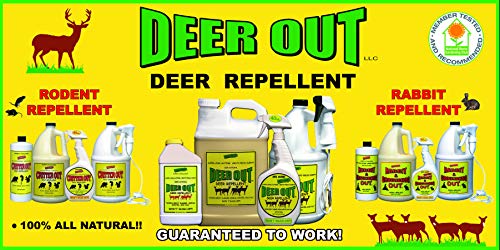



We also considered 10 others:


Our Top Choice
The order above is not editorial opinion, and it is not paid placement. It comes from what shoppers across our network actually do - which deer deterrents for gardens they compare, and which they ultimately buy. We re-rank as new data comes in, so the long-term favorites have to keep earning their spot against new entrants. The full method, including how we make money.
Deer Deterrents for Gardens Buyer's Guide
Deer deterrents for gardens sit in the tradeoff between convenience and certainty: sprays, granules, stations, and solar devices are easier than fencing, but they do not physically stop a hungry deer. The sharpest buying concerns are whether the deterrent matches your local deer pressure and whether you can maintain coverage after rain, watering, and new plant growth.
Deer Pressure
Deer pressure varies widely by yard, season, and available food, so a deterrent that works in one garden may fail in another. The most important buying question is whether the product can realistically interrupt the behavior you are seeing, or whether you need a stronger layered approach.
Start by judging whether you have casual browsing or an established deer route. Scent, taste, light, and sound deterrents are best treated as pressure-reducers, not barriers; for high-value crops, young trees, or gardens deer already visit nightly, plan to layer deterrents or add physical protection rather than relying on one product. Look for claims and formats aimed specifically at deer, and be cautious with any deterrent that only lists broad “critter” control if deer are the main problem. Owner reports strongly support this caution: repelling performance is described as hit-or-miss, and deer resistance is a common disappointment when animals keep returning. Some gardens see noticeably less deer activity around vulnerable plants, but persistent or hungry deer may still browse despite sprays, pods, or multiple devices nearby.
Plant Coverage
Deer do not browse a whole yard evenly; they target tender new growth, favorite ornamentals, fruiting plants, and familiar paths. A good deterrent must cover the right plant surfaces or intercept the right travel routes, otherwise the garden can remain vulnerable even if the product is technically working nearby.
Buy for the exact plants and bed layout you need to protect. Sprays and taste deterrents should cover the new growth deer actually eat, while granules and scent stations need a continuous zone around beds, hostas, roses, young trees, or vegetable plots. Electronic or visual devices need clear line of sight and should be placed where deer enter, not hidden behind dense foliage; for tall browsing, height and direction matter. Owner sentiment shows that placement and plant type can decide the outcome. Some users report strong prevention around hostas, roses, gardens, and apple trees, while crops such as cucumbers and tomatoes are not always protected. Feedback also notes that plants can still be damaged when coverage is insufficient or deer keep feeding despite nearby deterrents.
Weather Life
Garden deterrents live outside, so weather resistance is not a minor convenience. Rain can dilute scent or taste barriers, sunlight can age plastics and stakes, and fast plant growth can create untreated foliage that deer will find first.
Check how the deterrent handles rain, irrigation, sun, and new growth before choosing a format. Liquids and granules should be reapplied after heavy rain and as plants grow, unless the label gives a specific weather-resistant interval; stations and stakes should use outdoor-rated housings, stable ground anchors, and materials that can survive a full season in sun and storms. If your garden is watered frequently, pick a format you can realistically refresh on schedule. Owner feedback repeatedly ties protection to maintenance after weather. Some people get lasting results when they reapply diligently, especially after heavy rain, while others see protection fade when the schedule slips. Stakes receive positive comments for weather durability and, in some cases, lasting about a summer season.
Upkeep Burden
A deer deterrent only helps while it is active in the right place. The best choice is often the one whose routine maintenance matches your watering schedule, garden size, and willingness to revisit the beds after storms.
Choose the maintenance style you will actually keep up with. Granules should dispense evenly around beds, sprays should be easy to mix and apply to targeted foliage, stations should be simple to place without constant handling, and solar devices should avoid cords or battery swaps while still being easy to set up. Avoid a high-maintenance format if you know reapplication, refilling, repositioning, or cleaning will be skipped during the growing season. Owners praise easy-to-apply granules, simple garden stations, and solar units that are straightforward to set up. But the same feedback shows that effectiveness can depend on repeated application and attention, so convenience is directly tied to real garden protection.
Odor & Garden Fit
Deer deterrents often work by making an area smell or taste unsafe to animals, which can also affect how pleasant the garden is for people. A careful buyer should balance deterrent strength with safe use around food crops, pets, pollinators, and daily garden access.
For patios, windows, walkways, edible beds, and small urban gardens, screen carefully for odor and label compatibility. Many deer repellents rely on unpleasant scent cues, so apply them where the smell will not make the garden unusable, and verify whether the formula is approved for vegetables, fruit, herbs, ornamentals, or only non-edible plants. Test sprays on a small area of sensitive foliage, keep products away from children and pets as directed, and avoid treating harvestable plant parts unless the label explicitly allows it. Owner feedback flags odor as a real drawback: the initial smell can be strong, even when some users say it dissipates after a day or two. That makes placement and timing especially important near outdoor seating, doors, and frequently handled plants.
Power & Signals
Electronic and visual deterrents add a different kind of pressure than sprays or granules, but they depend on power, placement, and animal reaction. Clear indicators help you know the device is running, while good siting helps ensure the signal reaches the deer before they reach the plants.
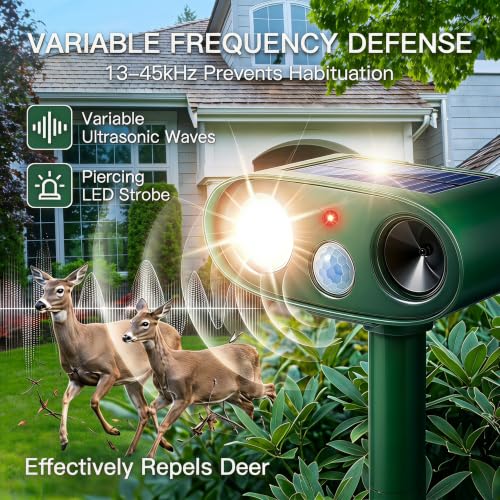
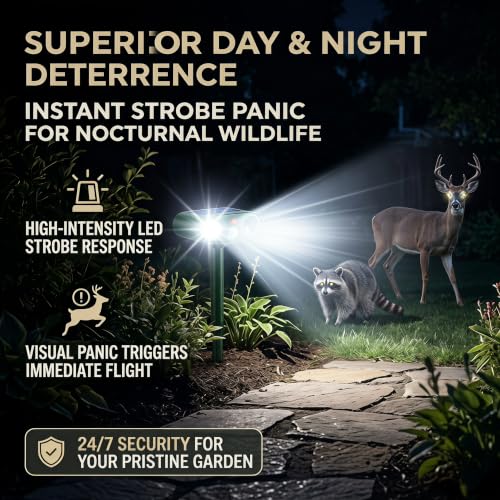
For solar, flashing, ultrasonic, or motion-style deterrents, look for dependable outdoor power and meaningful status feedback. Solar panels need enough direct sun, weather sealing, and placement that keeps them above mulch, snow, or dense foliage; indicator lights should confirm the unit is active, but they should not be mistaken for proof that deer will be scared away. Visual deterrents work best when repositioned occasionally and combined with scent or taste protection so deer do not simply learn the pattern. Owners like the convenience of solar-powered designs and appreciate visible red blinking lights as a sign that units are active at night. However, feedback on flashing behavior is divided, with some buyers finding the blink noticeable and others doubting that the pattern is convincing enough to deter pests.
1,000,000+ shoppers use Buyer's Guide every week to find the best products and services online.

Helping millions of users make smarter purchases online.


