


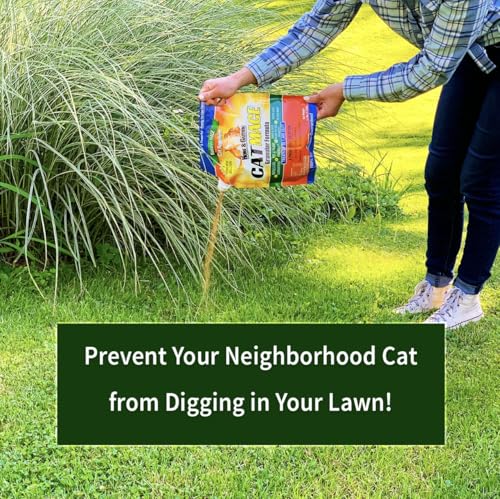





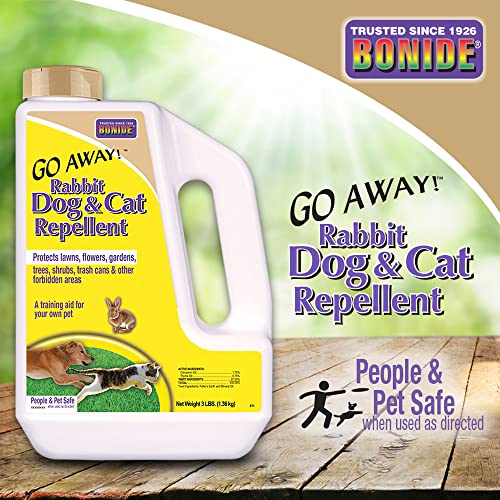



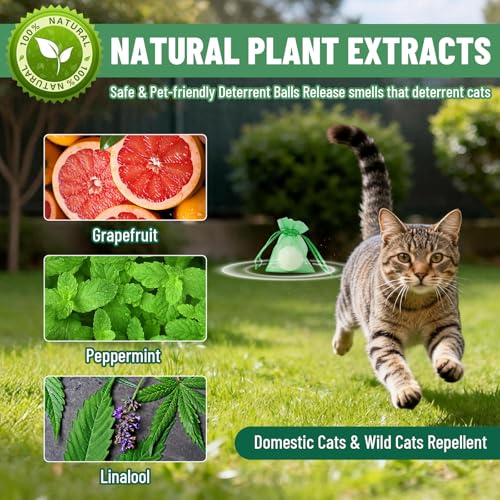


We also considered 10 others:


Our Top Choice
The order above is not editorial opinion, and it is not paid placement. It comes from what shoppers across our network actually do - which cat deterrents for yards they compare, and which they ultimately buy. We re-rank as new data comes in, so the long-term favorites have to keep earning their spot against new entrants. The full method, including how we make money.
Cat Deterrents for Yards Buyer's Guide
Cat deterrents for yards have to solve a narrow problem: keep cats from digging, spraying, climbing, or returning to protected spots without harming animals or making the yard unpleasant for people and pets. The sharpest buying concerns are whether the deterrent actually changes cat behavior outdoors, and whether its coverage, settings, and power source fit the exact bed, car, trash area, or garden edge you need to protect.
Deterrent Effectiveness
Cat deterrents fail when the deterrent does not match the behavior: digging in beds, spraying near structures, climbing onto cars, or returning to trash areas all need reliable interruption at the right moment. A careful buyer should favor a humane repeller that is clearly intended for outdoor nuisance animals and has a track record for making animals avoid the treated zone, not just startling them once.
Look for a deterrent that targets cats specifically but can also discourage common yard visitors, since the same garden or trash area may attract multiple animals. Motion-activated ultrasonic sound, flashing light, water spray, or physical barrier designs should be chosen based on the problem: use active repellers for roaming cats, mats or fencing for digging routes, and scent products only where rain and irrigation will not wash them away quickly. Avoid vague “all-purpose” repellents with no clear trigger, range, or outdoor use case. Owner feedback strongly supports prioritizing real-world effectiveness: buyers repeatedly credited outdoor repellers with keeping nuisance animals away from yards, gardens, trash, and flower beds. The strongest reports involved cats as well as deer, rabbits, and groundhogs backing off before damaging garden areas or returning close to the installation point.
Yard Coverage
Outdoor cat problems are usually local: one flower bed, a car hood, a sandbox, a vegetable patch, or a trash area. The best deterrent is not always the widest one; it is the one that covers the entry path and trigger zone without wasting energy or bothering the wrong area.
Check the stated detection angle, sensing distance, mounting height, and whether the unit can be aimed at ground-level cat movement rather than only larger animals. For beds and borders, coverage should reach the approach path, not just the center of the plants; for cars, trampolines, trash, and patios, the repeller needs a stable sightline that is not blocked by shrubs, bins, or parked objects. Avoid units that cannot be angled, staked securely, or positioned low enough for cats. Owner sentiment points to coverage around practical problem spots as a major separator. Buyers described low-maintenance protection around yards, gardens, flower beds, trash, cars, trampolines, vegetable beds, and backyards, and several said animals stopped coming close after installation.
Tuning Controls
Cats vary in boldness, and yards vary in layout, pets, neighbors, and background motion. Adjustable controls let the shopper tune sensitivity and deterrent intensity so the device activates on cats without constant false triggers from wind, people, or harmless movement.
Favor deterrents with selectable modes, sensitivity levels, frequency or intensity adjustment, and an easy way to test activation before leaving it outside. For ultrasonic units, adjustability is especially important because the goal is to deter cats while minimizing unnecessary noise exposure for pets, children, and neighbors. Avoid one-setting devices unless the target zone is simple and isolated. The owner feedback specifically praises straightforward setup and selectable settings that let people tune the repeller for the animal or coverage area they need. That support matters in this niche because cat deterrents often require small placement and sensitivity changes before the yard problem is truly solved.
Outdoor Power
A yard deterrent only works if it stays powered through normal outdoor use. Battery replacement becomes a weak point when the device is placed far from the house, hidden in a bed, or expected to protect a problem spot every night.
For active repellers, look for solar charging with a rechargeable backup, a panel that can face direct sun, weather-protected charging ports, and a low-battery indicator or easy manual recharge option. In shaded yards, under trees, or near fences, do not assume solar alone will be enough; choose a unit that can be topped up conveniently. Avoid outdoor deterrents that require frequent disposable battery changes unless the area is easy to access. Owner sentiment highlights solar charging as a clear convenience because buyers did not have to keep replacing or closely monitoring batteries outdoors. That is especially useful for cat deterrents placed around gardens, flower beds, and back corners where neglect quickly turns into a gap in protection.
Weather Build
Cat deterrents live in places that get rain, irrigation overspray, mud, heat, frost, and accidental bumps from yard work. A device that works indoors or on a porch may fail quickly when staked in soil or left beside a vegetable bed.
Choose outdoor-rated construction with sealed seams, protected speakers or sensors, a sturdy stake or mount, and materials that can handle sun exposure and wet soil. The unit should remain aimed after wind, mowing, watering, or pets brushing past it; otherwise the effective coverage disappears even if the electronics still work. Avoid flimsy stakes, exposed charging ports, and designs that must be brought inside whenever weather changes. The provided owner sentiment does not focus on long-term durability, but it does show buyers using repellers in real yard and garden locations. Because effectiveness was tied to placement around gardens, flower beds, backyards, and other outdoor problem spots, weather-ready build quality is a necessary buying concern rather than an optional extra.
Pet Safety
The goal is to make cats choose another route, not to injure them or create a nuisance for people. Safety and compatibility matter more in shared yards, pet households, dense neighborhoods, and gardens visited by wildlife.
Prioritize humane deterrents that create avoidance through motion activation, sound, light, water, texture, or scent rather than traps, toxins, or anything that can wound an animal. If you have your own cats, dogs, children, or close neighbors, choose adjustable intensity and aim the device only at the protected zone; avoid broad, always-on deterrents that may affect the whole yard. For edible gardens, check that any spray or granule is labeled for the intended outdoor surface and will not contaminate produce areas. Owner feedback supports the value of targeted, adjustable pest control: buyers liked being able to tune settings for the animal or coverage area, and many described animals staying away after installation. That kind of controlled avoidance is the core safety goal for yard cat deterrents.
1,000,000+ shoppers use Buyer's Guide every week to find the best products and services online.

Helping millions of users make smarter purchases online.


