




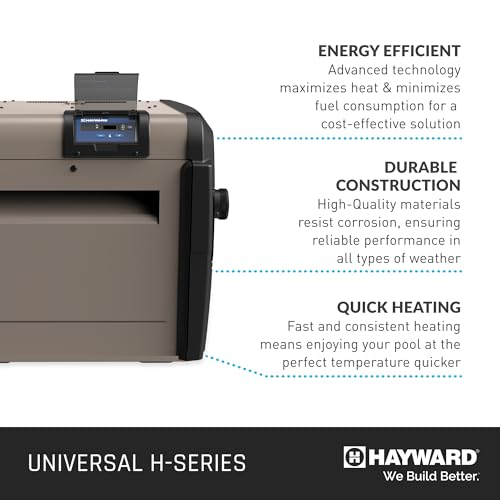




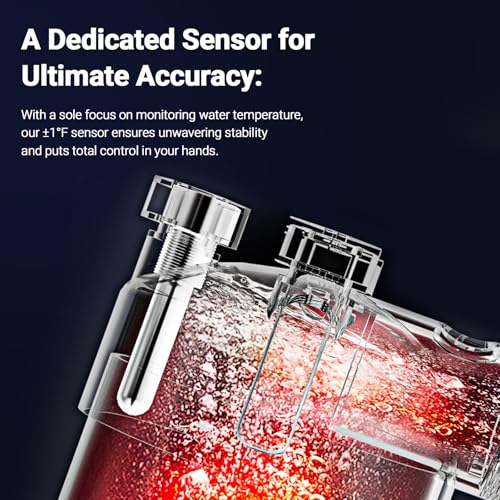


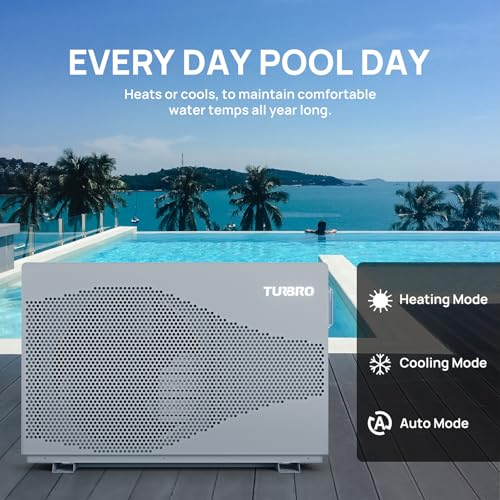


We also considered 10 others:


Our Top Choice
Compare Features


The order above is not editorial opinion, and it is not paid placement. It comes from what shoppers across our network actually do - which electric pool heaters they compare, and which they ultimately buy. We re-rank as new data comes in, so the long-term favorites have to keep earning their spot against new entrants. The full method, including how we make money.
Electric Pool Heaters Buyer's Guide
Electric pool heaters are a balance between steady, lower-cost temperature maintenance and the reality that heat-up speed depends heavily on pool volume, air temperature, wind, and whether you use a cover. The sharpest checks are proper sizing for your gallons and climate, plus whether your electrical service, plumbing flow, and installation clearances can actually support the unit you choose.
Heating
Heating performance determines whether an electric pool heater can raise and maintain your water temperature enough for comfortable swimming, especially when air temperatures drop or your pool is larger. Look for a unit sized to your pool volume and climate, and pay attention to heat output, recovery speed, and whether it can hold the set temperature in real conditions rather than just under ideal lab conditions.
For heating, size the heater around your actual pool gallons, desired temperature rise, local nighttime lows, and whether the pool is covered; an undersized electric heat pump may maintain warmth well but take days to recover after cold nights or heavy heat loss. Check the rated output at realistic ambient temperatures, not just ideal lab conditions, and look for a model that can hold a set temperature for your pool type—small above-ground pools, medium pools, and larger/cooler-climate setups have very different needs. Owner feedback supports this focus on real-world capacity: shoppers report strong heaters raising temperatures quickly, producing noticeable gains within a day or two, maintaining comfortable water, and extending the swim season, especially when matched to above-ground or medium-sized pools.
Build
You want an electric pool heater with solid construction because it has to handle water, pressure, heat cycles, and outdoor conditions without developing leaks or failing early. Look for sturdy housing, corrosion-resistant materials, well-sealed plumbing connections, and clear signs of quality control; be cautious of flimsy fittings, thin casings, or owner reports of leakage and cracked components.
For build quality, prioritize corrosion-resistant components, a durable cabinet, a titanium or pool-chemical-compatible heat exchanger, solid plumbing unions, drain provisions for winterizing, and clear access panels for service. Avoid units with flimsy molded fittings, unclear internal wiring, or designs that make leaks hard to detect, because electric pool heaters live in a harsh mix of water, chemicals, vibration, and outdoor exposure. Owner sentiment backs both sides of this: many buyers describe quiet, well-built units that feel like worthwhile season-extending upgrades, but the main failure complaints involve early leaks, cracked parts, loose connections, incomplete internal electrical work, and durability problems after only a couple of seasons.
Installation
Installation matters because an electric pool heater may need proper electrical capacity, plumbing connections, clearances, and sometimes professional wiring before it can run safely. Look for clear setup requirements, compatibility with your pool’s existing pump and plumbing, and whether the unit needs dedicated breakers or hardwiring. A heater that is “easy to install” for one pool can become complicated if your electrical service, pad space, or pipe layout is not ready for it.
For installation, verify the electrical requirements before buying: voltage, breaker size, dedicated circuit needs, GFCI protection, bonding/grounding, and whether a plug, cord, or hardwired connection is required. Also confirm plumbing diameter, included unions/adapters, minimum and maximum flow rate, need for a bypass valve, pad size, airflow clearances, condensate drainage, and winter drain-down access; a unit that looks easy to install can become expensive if your pump flow, outlet, or plumbing layout is wrong. Owners often find setup straightforward when the pad, plumbing, and electrical supply are already ready, and they praise clear directions and included connectors, but that positive experience depends on having the right infrastructure in place first.
Controls
Good controls make it easier to set your pool to a comfortable temperature and avoid wasting energy by overheating the water. Look for clear temperature control, simple menus or buttons, and scheduling options that match how you actually use the pool. If you want WiFi control, check that the app is well supported and easy to use, since unreliable smart features can make everyday adjustments more frustrating than helpful.
For controls, choose a heater with dependable onboard controls first, then treat WiFi or app control as a convenience rather than the only way to operate it. Look for precise setpoint adjustment, readable water-temperature feedback, timers or schedules if you heat only before swim times, lockout or freeze-protection settings if relevant, and a clear indication of whether the unit is actively heating, defrosting, or waiting on flow/ambient conditions. Owner feedback shows why this matters: many appreciate simple controls, remote temperature adjustment, automation, and app monitoring, but some report WiFi connections that do not stay reliable and occasional cases where the heater shuts off before reaching the desired set point.
Value
You want an electric pool heater that feels like good value for money not just at checkout, but after you’ve lived with its energy use, heating speed, and maintenance needs. Look for owners who say the heater reliably meets their pool-size and temperature expectations without unexpected operating costs, and be cautious when reviews mention slow heat-up times, frequent resets, or bills that make the initial savings feel misleading.
For value, calculate total installed and seasonal operating cost, not just the heater purchase: electrical work, plumbing parts, a pad, bypass valves, cords or hoses if not included, pool cover use, pump run time, and local electricity rates all affect whether the heater pays off. Electric heat pumps tend to offer their best value when used to maintain temperature efficiently over a season rather than rapidly heat an uncovered pool from cold, so match expectations to your climate and usage pattern. Owners commonly view these heaters as good value because they run quietly and efficiently, avoid the fuel-cost shock associated with gas or propane, and extend the swim season, though value drops when key installation parts are missing or extra setup costs surprise the buyer.
Noise
A quieter electric pool heater matters if the unit sits near a patio, bedroom, neighbor’s yard, or any area where you relax. Look for models described as having quiet operation and check stated noise levels when available, but also consider placement and airflow needs, since vibration, fan noise, or a poorly isolated installation can make an otherwise reasonable heater more noticeable.
For noise, check both the published sound rating and where the unit will sit relative to patios, bedroom windows, fences, and neighbors; heat pumps use a fan and compressor, so placement and airflow clearance matter as much as the rating. Avoid squeezing the heater into corners, under decks, or against reflective walls where fan noise can bounce back or airflow restriction can reduce efficiency. Owner sentiment is generally reassuring here: quiet operation is repeatedly praised, with many buyers saying the heater runs softly, is not intrusive around the pool area, and remains quieter than expected even alongside the pool pump.
1,000,000+ shoppers use Buyer's Guide every week to find the best products and services online.

Helping millions of users make smarter purchases online.


