





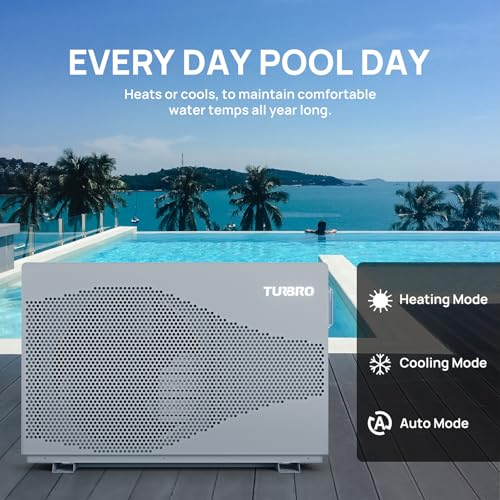


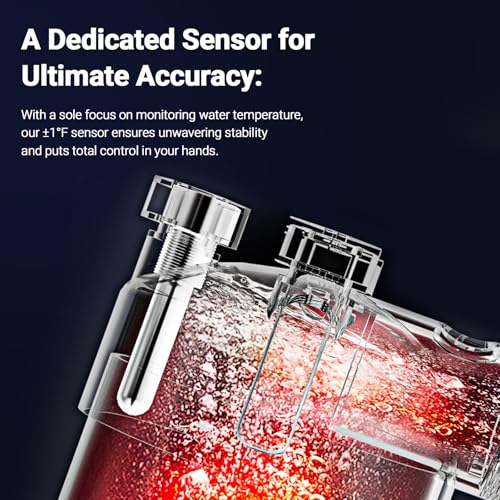




We also considered 10 others:
.png)


Our Top Choice
Compare Features


The order above is not editorial opinion, and it is not paid placement. It comes from what shoppers across our network actually do - which in ground pool heaters they compare, and which they ultimately buy. We re-rank as new data comes in, so the long-term favorites have to keep earning their spot against new entrants. The full method, including how we make money.
In Ground Pool Heaters Buyer's Guide
In-ground pool heaters have to balance fast temperature recovery against operating cost and the limits of a fixed equipment pad. The biggest buying risks are undersizing the heater for the pool and climate, and overlooking site requirements such as gas supply, electrical service, water flow, corrosion resistance, and installation clearances.
Heating
Heating performance determines whether an electric pool heater can raise and maintain your water temperature enough for comfortable swimming, especially when air temperatures drop or your pool is larger. Look for a unit sized to your pool volume and climate, and pay attention to heat output, recovery speed, and whether it can hold the set temperature in real conditions rather than just under ideal lab conditions.
Size the heater to the actual in-ground pool volume, desired temperature rise, local climate, wind exposure, and whether you use a solar cover; a unit that is fine for a small, covered pool can disappoint on a large, exposed pool. For fastest recovery after cold nights or for spas, check gas BTU output and confirm the gas line and water-flow rate can support it; for lower operating cost, a heat pump can work well but usually heats gradually and depends on warm ambient air. Owner feedback supports this distinction: buyers often praise heaters that maintain the selected temperature through digital controls, with some heat pumps raising water steadily over hours or days, while larger pools heat quickly only when water flow and gas supply are adequate.
Build
You want an electric pool heater with solid construction because it has to handle water, pressure, heat cycles, and outdoor conditions without developing leaks or failing early. Look for sturdy housing, corrosion-resistant materials, well-sealed plumbing connections, and clear signs of quality control; be cautious of flimsy fittings, thin casings, or owner reports of leakage and cracked components.
For a permanent in-ground installation, prioritize corrosion-resistant internals, serviceable headers, solid unions, and a heat exchanger appropriate for your water chemistry, especially if the pool is salt-chlorinated or frequently out of balance. Inspect for freeze-drain provisions, cabinet weather resistance, and easy access to sensors, igniters, pressure switches, and plumbing connections; leaks at headers or cracked water-path parts are among the most expensive failure modes. Owner sentiment is split: many buyers describe well-designed, quiet, season-extending units, but the sharpest complaints involve early leaks, cracked parts, loose gas connections, incomplete wiring, and inconsistent durability after months or a couple of seasons.
Installation
Installation matters because an electric pool heater may need proper electrical capacity, plumbing connections, clearances, and sometimes professional wiring before it can run safely. Look for clear setup requirements, compatibility with your pool’s existing pump and plumbing, and whether the unit needs dedicated breakers or hardwiring. A heater that is “easy to install” for one pool can become complicated if your electrical service, pad space, or pipe layout is not ready for it.
Before buying, match the heater to your equipment pad, plumbing size, flow range, electrical service, bonding requirements, ventilation clearances, and fuel source. Gas heaters often need a correctly sized gas meter, regulator, and pipe run, while heat pumps may require a dedicated circuit, proper airflow clearance, condensate drainage, and sometimes a bypass valve to maintain flow; these are not details to improvise after delivery. Owners commonly report straightforward setup when replacing a similar unit or when the pad, plumbing, outlet, and connectors are already ready, but that positive experience depends heavily on the site already matching the heater’s requirements.
Value
You want an electric pool heater that feels like good value for money not just at checkout, but after you’ve lived with its energy use, heating speed, and maintenance needs. Look for owners who say the heater reliably meets their pool-size and temperature expectations without unexpected operating costs, and be cautious when reviews mention slow heat-up times, frequent resets, or bills that make the initial savings feel misleading.
Judge value by total installed and seasonal operating cost, not the appliance alone: include gas-line upgrades, electrical work, permits, unions, bypass valves, cords, hoses, condensate handling, automation adapters, and professional labor if required. A heat pump may be the better value for frequent seasonal heating in suitable climates, while a gas heater can justify its utility use when rapid heat-up matters; either can feel like poor value if installation accessories are missing or the unit fails after paid installation. Owner feedback generally supports good value when heaters extend the swim season efficiently or can be self-installed by capable buyers, but some buyers are frustrated when key parts are not included or when installation costs make a failed unit feel especially risky.
Noise
A quieter electric pool heater matters if the unit sits near a patio, bedroom, neighbor’s yard, or any area where you relax. Look for models described as having quiet operation and check stated noise levels when available, but also consider placement and airflow needs, since vibration, fan noise, or a poorly isolated installation can make an otherwise reasonable heater more noticeable.
Choose placement and heater type with the equipment pad’s real surroundings in mind: a fan-and-compressor heat pump near a bedroom window, fence line, or seating area can be more noticeable than its spec sheet suggests, while gas units may add combustion or blower noise during firing. Look for stated sound ratings, vibration isolation, proper pad leveling, and enough clearance so the unit does not echo against walls or fences. Owner sentiment is mostly reassuring here, with many buyers describing quiet operation that is not intrusive even alongside the pool pump, and noise is not commonly highlighted as a major concern when units are working properly.
Controls
Good controls make it easier to set your pool to a comfortable temperature and avoid wasting energy by overheating the water. Look for clear temperature control, simple menus or buttons, and scheduling options that match how you actually use the pool. If you want WiFi control, check that the app is well supported and easy to use, since unreliable smart features can make everyday adjustments more frustrating than helpful.
For an in-ground pool, controls should do more than turn the heater on: look for accurate thermostat behavior, clear set-point display, flow/pressure safeguards, freeze protection where relevant, pool/spa mode if applicable, and compatibility with your existing automation system if you use one. Treat WiFi or app control as a convenience rather than the only way to operate the heater, and confirm there are reliable onboard controls in case the app disconnects. Owners like digital controls, electric ignition, app-based monitoring, and the ability to hold a comfortable temperature, but the main cautions are units that shut off before reaching the set point and WiFi/app connections that work initially but do not remain dependable.
1,000,000+ shoppers use Buyer's Guide every week to find the best products and services online.

Helping millions of users make smarter purchases online.


