












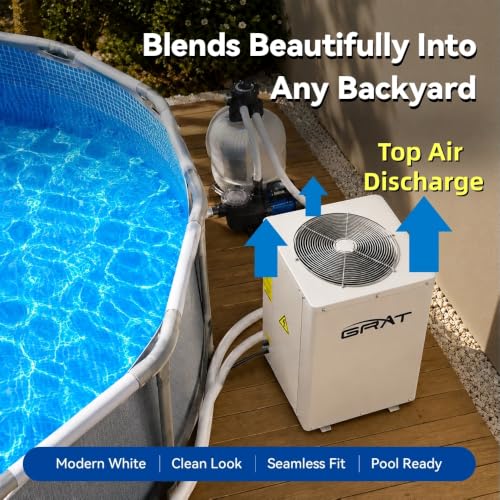


We also considered 10 others:


Our Top Choice
Compare Features


The order above is not editorial opinion, and it is not paid placement. It comes from what shoppers across our network actually do - which electric pool heat pumps they compare, and which they ultimately buy. We re-rank as new data comes in, so the long-term favorites have to keep earning their spot against new entrants. The full method, including how we make money.
Electric Pool Heat Pumps Buyer's Guide
Electric pool heat pumps trade instant heat for lower ongoing energy use, so the key buying decision is whether the unit can maintain your target temperature in your climate and pool size. The sharpest concerns are correct sizing, airflow and electrical requirements, and protection against corrosion or freeze damage over multiple seasons.
Heating
Heating performance determines whether an electric pool heater can raise and maintain your water temperature enough for comfortable swimming, especially when air temperatures drop or your pool is larger. Look for a unit sized to your pool volume and climate, and pay attention to heat output, recovery speed, and whether it can hold the set temperature in real conditions rather than just under ideal lab conditions.
Size the heat pump for your actual pool gallons, surface exposure, cover use, and local overnight air temperatures—not just the advertised “pool size.” Electric heat pumps are best at maintaining heat and extending the season; if you expect rapid recovery after cold nights, use an uncovered pool, or run in cooler spring/fall air, look for higher output, strong low-ambient performance, and realistic temperature-rise charts. Owner feedback supports that well-matched units can warm pools noticeably, with reports of fast warmups, about a degree per hour in some setups, multi-day climbs into comfortable swimming range, and strong results on above-ground, medium, and even larger pools.
Installation
Installation matters because an electric pool heater may need proper electrical capacity, plumbing connections, clearances, and sometimes professional wiring before it can run safely. Look for clear setup requirements, compatibility with your pool’s existing pump and plumbing, and whether the unit needs dedicated breakers or hardwiring. A heater that is “easy to install” for one pool can become complicated if your electrical service, pad space, or pipe layout is not ready for it.
Before buying, confirm the required voltage, amperage, breaker size, GFCI protection, disconnect location, plumbing diameter, minimum flow rate, and whether your setup needs a bypass valve. Many electric pool heat pumps are physically simple to plumb, but the job becomes expensive or unsafe if the pad, drainage, airflow clearance, bonding, or electrical service is not ready. Owner sentiment is positive when those basics are already in place: buyers often describe setup as straightforward, especially for handy owners doing basic plumbing, with clear instructions and connectors helping; the main caveat is that some installations still require locally sourced parts or professional electrical work.
Value
You want an electric pool heater that feels like good value for money not just at checkout, but after you’ve lived with its energy use, heating speed, and maintenance needs. Look for owners who say the heater reliably meets their pool-size and temperature expectations without unexpected operating costs, and be cautious when reviews mention slow heat-up times, frequent resets, or bills that make the initial savings feel misleading.
Judge value by seasonal operating cost and heat retention, not just the unit itself: a correctly sized heat pump paired with a solar cover and proper pump schedule will usually feel far more economical than an undersized unit running constantly. Check efficiency ratings, output at your expected air temperature, warranty coverage, service access, and whether essential items such as cords, hoses, unions, or adapters are included. Owners commonly see good value because these units extend the swim season and avoid the running-cost shock associated with gas heat, while negative value impressions tend to appear when expected installation parts are missing.
Noise
A quieter electric pool heater matters if the unit sits near a patio, bedroom, neighbor’s yard, or any area where you relax. Look for models described as having quiet operation and check stated noise levels when available, but also consider placement and airflow needs, since vibration, fan noise, or a poorly isolated installation can make an otherwise reasonable heater more noticeable.
For poolside comfort, check the listed decibel rating, the distance used for that rating, fan direction, compressor placement, and whether the unit can be mounted away from seating, bedrooms, and property lines. Also plan for vibration isolation and unobstructed airflow, because a quiet unit can still become annoying if it resonates on a deck or blows directly into a lounge area. Owner feedback is reassuring here: quiet operation is repeatedly praised, with many buyers saying the heater runs softly, even alongside the pool pump, and does not become an intrusive backyard noise source.
Build
You want an electric pool heater with solid construction because it has to handle water, pressure, heat cycles, and outdoor conditions without developing leaks or failing early. Look for sturdy housing, corrosion-resistant materials, well-sealed plumbing connections, and clear signs of quality control; be cautious of flimsy fittings, thin casings, or owner reports of leakage and cracked components.
Look for build features that match pool chemistry and outdoor exposure: a titanium heat exchanger for chlorinated or saltwater pools, corrosion-resistant cabinet and coil protection, UV-stable plastics, good drainage, accessible service panels, and clear winterization instructions. Freeze damage, poor off-season storage, blocked airflow, and corrosion are common long-term failure risks for this category, so drain plugs, freeze protection logic, and storage guidance matter as much as the shell. Owners often describe these heaters as well built, robust, and suitable for regular seasonal use, but longer-term reliability is more mixed, with some reports of stable seasonal performance and others mentioning failures or freeze-ups after storage.
Controls
Good controls make it easier to set your pool to a comfortable temperature and avoid wasting energy by overheating the water. Look for clear temperature control, simple menus or buttons, and scheduling options that match how you actually use the pool. If you want WiFi control, check that the app is well supported and easy to use, since unreliable smart features can make everyday adjustments more frustrating than helpful.
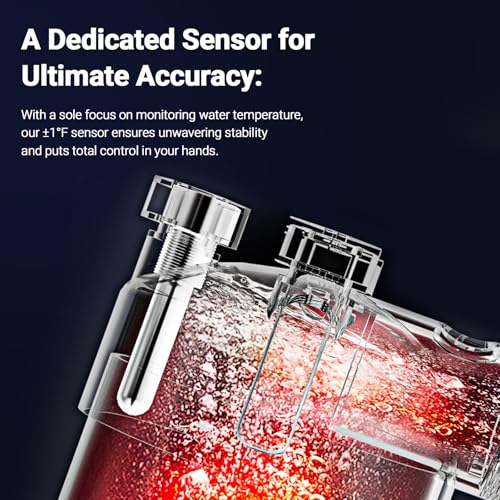
Prioritize accurate thermostat control, a dependable water-flow switch, pump-schedule compatibility, and easy local controls before relying on WiFi. For this category, the heater must coordinate with the circulation pump; if water is not flowing, heating should stop safely, and if the pump schedule is too short, the heater may never reach set temperature. Owners like being able to monitor and adjust temperature by app and report that many units can bring water up to comfort and hold it efficiently, but WiFi/app control is the main watch-out because some apps are basic, lose connection, or become unusable for certain buyers.
1,000,000+ shoppers use Buyer's Guide every week to find the best products and services online.

Helping millions of users make smarter purchases online.


