











We also considered 10 others:


Our Top Choice
The order above is not editorial opinion, and it is not paid placement. It comes from what shoppers across our network actually do - which desk lights they compare, and which they ultimately buy. We re-rank as new data comes in, so the long-term favorites have to keep earning their spot against new entrants. The full method, including how we make money.
Desk Lights Buyer's Guide
A good desk light has to put enough illumination exactly where you work without washing out a monitor, throwing glare into your eyes, or crowding the desk. The biggest separators are usable brightness, controllable color and dimming, and whether the arm, base, or clamp actually fits your workstation and tasks.
Task Light
Desk lights are bought for visibility first, but raw brightness is not enough. The beam needs to land where the task happens, with enough diffusion to avoid eye fatigue, screen reflections, and distracting shadows.
Look for a lamp that can deliver focused, even light across your actual work zone: a notebook, keyboard, craft mat, sewing area, or drawing surface. For close detail work, prioritize a broad LED bar or well-diffused head that reduces hot spots and shadows; for reading or bedside use, a narrower head can be fine as long as it does not create harsh glare. If color accuracy matters for artwork, makeup, or crafts, check for high color-rendering specs and avoid lights that look bright but make colors appear flat or tinted. Owner feedback strongly supports brightness as a make-or-break trait in this category: shoppers repeatedly praised lamps that turned dark desks or craft areas into usable workspaces and worked well for reading, writing, painting, sewing, artwork, and general desk work. The best-liked lights were not just bright, but bright in a way that felt useful rather than harsh, with enough output for larger work setups or close-up tasks.
Dimming & Color
The right color and intensity change with the task, the time of day, and whether a screen is nearby. Tunable lighting lets one lamp serve detailed work, relaxed reading, and long office sessions instead of being too bright, too dim, or the wrong tone.
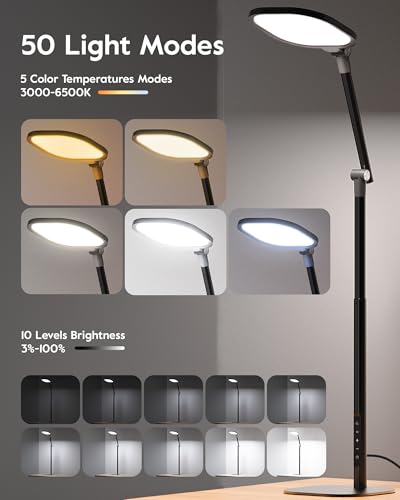
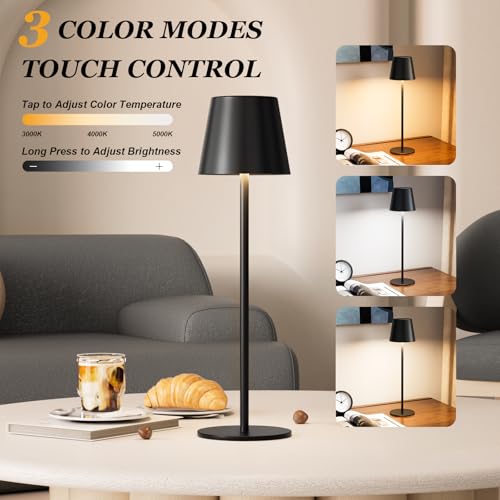
Choose a desk light with multiple brightness levels and adjustable color temperature, ideally spanning warm evening light, neutral work light, and cooler focus light. Smooth dimming or enough step levels matters because a lamp that is perfect for paperwork may be too intense beside a monitor or too stark at night. Avoid models with only one brightness setting unless the use is very narrow, and favor controls that make it easy to shift modes without cycling through every option each time. Owners consistently valued adjustable brightness and color temperature because they could tune the lamp for reading, studying, computer work, focus, crafts, and warmer nighttime use. Sentiment especially favored lights with warm, neutral, white, and cool options plus dimming that made the lamp useful at different times of day without overpowering the room.
Aim & Reach
A lamp that cannot aim properly often creates shadows or glare even if the light source is strong. Reach and articulation determine whether the lamp works with real desk setups, especially monitors, laptops, shelves, and multi-use work surfaces.
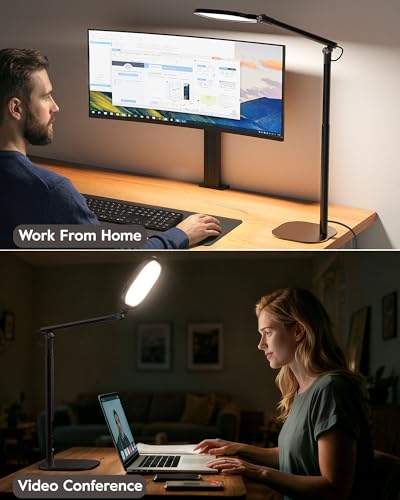
Check the arm length, height range, head rotation, and joint style against your desk layout before buying. A good desk light should reach over a monitor, clear a laptop screen, angle down onto a keyboard or notebook, and stay out of your sightline; for crafts or sewing, it should also aim from the side to reduce hand shadows. Goosenecks are easy to bend into awkward spots, while hinged arms and rotating bars are better when you need wide, repeatable coverage across a larger surface. Owner sentiment repeatedly highlights positioning as a major strength when lamps have bendable necks, movable arms, rotating light bars, adjustable height, and aimable heads. Buyers liked being able to direct light exactly where needed for close work, bedside reading, desk work, keyboard areas, walls, video calls, and awkward spaces.
Desk Fit
Desk lights compete for the same limited surface area as monitors, keyboards, papers, and peripherals. The mount or base affects stability, usable workspace, and whether the lamp can be placed in the best lighting position.
Decide first whether your desk needs a weighted base, a clamp, or a foldable compact design. Clamp lights save the most surface area, but you need to verify clamp opening, edge thickness, lip shape, and whether the clamp will clear cable trays or monitor arms; a weak clamp or poor fit can let the lamp drift or fall. Base lamps are easier to move, but the base should be heavy enough to resist tipping and small enough not to fight with keyboards, notebooks, speakers, or charging pads. Owners often praised compact footprints, fold-up bodies, and clamp-on designs for fitting small desks, dorm rooms, bedside tables, dual-monitor workstations, and computer setups without taking over the workspace. Secure clamps and stable weighted bases were also recurring positives, with buyers appreciating lamps that stayed put while freeing up desk space.
Easy Controls
A desk light is adjusted often during the day, so awkward controls become annoying quickly. Convenient operation is especially important for clamp lights, large light bars, and lamps positioned behind monitors or shelves.
Look for controls you can reach from your normal seated position, especially if the lamp is clamped behind a monitor or mounted high above the desk. Touch controls should be responsive but not so sensitive that they activate accidentally; physical buttons are easier to find by feel; a remote is useful for wide lamps, overhead bars, or setups where the switch is out of reach. Memory presets are worth favoring if you often return to the same brightness and color for work. Owner feedback shows that simple setup and straightforward daily operation matter: buyers liked lamps that assembled quickly, were easy to use, and had controls that were quick to reach. Remote controls were specifically valued when they made power, brightness, color, and preset changes easy without having to reach up to the lamp.
Build Quality
Desk lights are moved, adjusted, and tapped far more often than many room lights. Durable joints, stable construction, and dependable electronics help the lamp keep its position and remain pleasant to use over repeated work sessions.
Inspect the parts that fail first: hinges, clamp pads, gooseneck stiffness, rotating joints, base weight, cable strain relief, and the lamp head’s heat handling. Metal arms and firm joints usually feel more secure than loose plastic assemblies, but the key is whether the lamp holds its angle over time without sagging. Value in this category is not just getting a low-cost light; it is getting enough brightness, adjustability, stable positioning, and dependable construction for the way the desk is actually used. Owners repeatedly described well-liked lamps as sturdy, well made, dependable, office-ready, and functional for everyday use. Sentiment also shows strong value appreciation when lamps delivered reliable lighting, stable positioning, flexible adjustment, and a clean design without feeling flimsy.
1,000,000+ shoppers use Buyer's Guide every week to find the best products and services online.

Helping millions of users make smarter purchases online.


