















We also considered 10 others:


Our Top Choice
The order above is not editorial opinion, and it is not paid placement. It comes from what shoppers across our network actually do - which cordless chainsaws they compare, and which they ultimately buy. We re-rank as new data comes in, so the long-term favorites have to keep earning their spot against new entrants. The full method, including how we make money.
Cordless Chainsaws Buyer's Guide
Cordless chainsaws live in the tradeoff between gas-like cutting confidence and the lighter, quieter convenience of battery power. The sharpest buying concerns are matching bar size and battery platform to the wood you actually cut, while keeping enough control, chain support, and safety margin for pruning, storm cleanup, and small-tree work.
Cutting Power
A cordless chainsaw is only useful if its motor and chain speed can keep the cut moving without bogging down. Bar length should match the diameter of the wood, because an undersized saw feels slow and an oversized one can be harder to control. Smooth cutting also reduces fatigue and helps keep the chain from binding.
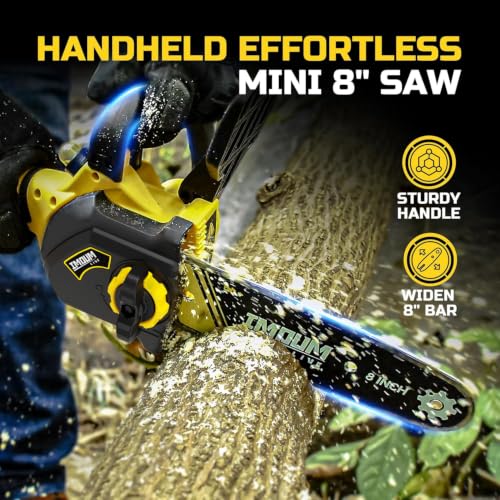
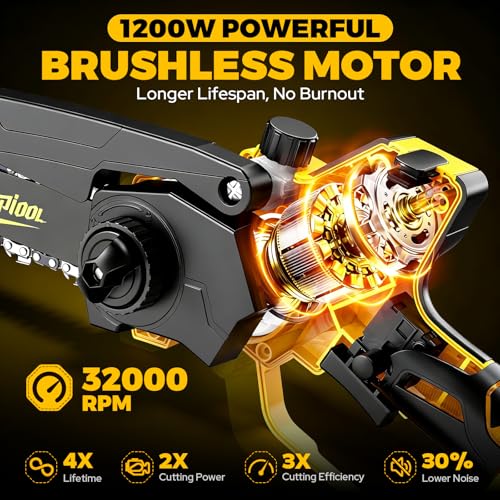
Start by matching the saw to your real workload: a mini saw is best for pruning, shrubs, roots, small limbs, and tight cleanup, while a longer bar is the better choice for thicker branches, trunks, and small-tree sectioning. Look for a sharp low-kickback chain, enough bar length for the diameter you cut most often, and a motor that does not stall when the chain is buried in hardwood. Avoid buying only by bar length; weak cordless saws with long bars can bind, overheat, or drain batteries quickly under heavy cuts. Owner feedback strongly supports prioritizing cutting performance and power, with shoppers praising cordless saws that handle bushes, limbs, roots, medium branches, pruning, yard work, small-tree jobs, and even smooth cuts through branches and trunks.
Battery Runtime
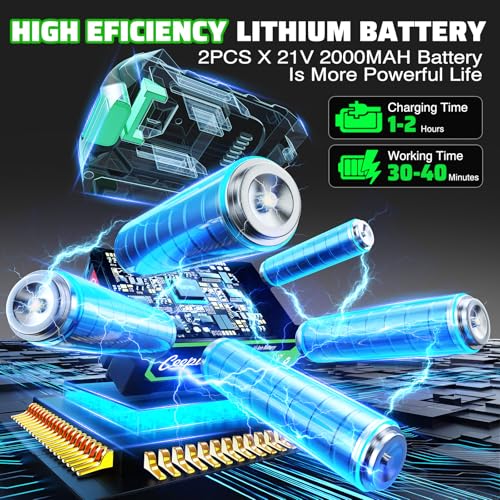
Battery performance determines whether a cordless chainsaw feels convenient or frustrating. Runtime depends on pack capacity, cell quality, wood hardness, chain sharpness, and how aggressively the saw is used. Compatibility with batteries you already own can also make the tool easier to keep ready.
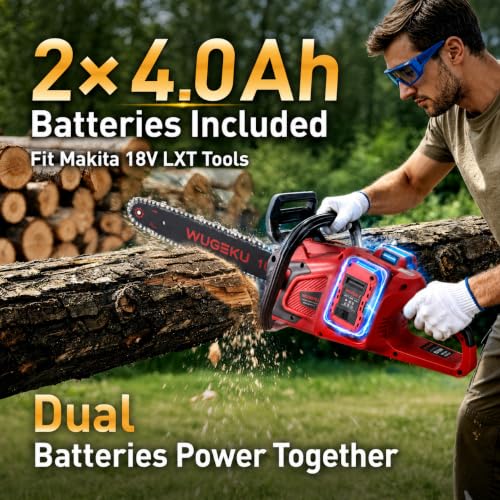
Check the battery voltage, amp-hour capacity, charger setup, and whether the saw accepts the same packs as your existing cordless tools. For occasional pruning, smaller packs may be fine; for repeated cuts, thicker limbs, or small-tree bucking, choose higher-capacity packs and expect heavy cuts to drain them faster. Avoid relying on a single small battery if you need to clear storm debris or work away from an outlet. Owners report battery life as more than adequate for typical small-yard jobs and substantial yard work, especially with larger or higher-quality packs, but also note that runtime becomes more situational on heavy cuts or weaker batteries.
Handling
Cordless chainsaws are often chosen because they are easier to start, carry, and maneuver than gas saws. Good balance matters as much as total weight when cutting overhead branches, reaching into shrubs, or working around fences. A saw that feels controllable encourages safer, cleaner cuts.
For pruning and yard cleanup, prioritize a manageable body, grippy handle, good balance, and a form factor that lets you see the bar tip clearly. Compact mini saws are especially useful in tight shrubs and between branches, but they should still have enough guard coverage and handle spacing to keep hands away from the chain path. Avoid a saw that feels nose-heavy, awkward one-handed, or too bulky for the spots where you plan to work. Owner sentiment repeatedly favors lightweight, manageable designs that make trimming feel easy to control, plus compact builds that work well in tight spots for bushes, branches, small limbs, and general cleanup.
Build & Chain
A chainsaw’s cutting ability depends heavily on the chain staying sharp, tensioned, and lubricated. Loose chains, flimsy bar mounts, and hard-to-adjust tensioners turn a useful tool into a maintenance problem. Solid construction also matters because vibration and repeated cuts stress the motor housing, bar, sprocket, and fasteners.
Look for easy chain tensioning, secure bar clamping, accessible chain replacement, and clear lubrication requirements; automatic oiling is a major convenience on larger cordless saws. Check that replacement chains and bars are common sizes, because dull chains are one of the fastest ways to make a cordless saw feel weak. Avoid tools with vague chain specs, fragile covers, or tension systems that slip after a few cuts. Owners describe better compact models as solid, sturdy, durable, and well put together, with stronger motors and easy chain-tensioning setups giving confidence; some also report durability through substantial homeowner tasks such as sectioning 15- to 16-inch trees.
Kit Value
Cordless chainsaw value is not just the bare tool; it includes the battery situation, charger, replacement chains, bar support, case, oil bottle, and safety extras. Accessories matter because chains wear, batteries limit runtime, and missing essentials can delay first use. The best value is a kit that supports the work you actually plan to do without forcing immediate add-ons.
Compare what is included before buying: battery and charger, extra chains, extra bar, scabbard, tools, oiling supplies, gloves, and a storage case can all affect real ownership convenience. If you already own compatible batteries, a bare or platform-compatible tool may be more appealing; if not, make sure the kit includes enough battery capacity for your tasks. Avoid kits that look generous but omit hard-to-source replacement chains or provide only a weak battery for demanding cuts. Owner feedback supports value as a major separator, with buyers praising cordless saws that combine useful cutting performance, solid quality, and generous accessory bundles, especially when they work with an existing battery platform.
1,000,000+ shoppers use Buyer's Guide every week to find the best products and services online.

Helping millions of users make smarter purchases online.


