
















We also considered 10 others:


Our Top Choice
The order above is not editorial opinion, and it is not paid placement. It comes from what shoppers across our network actually do - which battery powered chainsaws they compare, and which they ultimately buy. We re-rank as new data comes in, so the long-term favorites have to keep earning their spot against new entrants. The full method, including how we make money.
Battery Powered Chainsaws Buyer's Guide
Battery powered chainsaws are bought on a tight tradeoff: enough bar, chain speed, and battery to finish real limbs and storm cleanup, without turning the saw into a heavy, tiring tool. The biggest mistakes are choosing too small a cutting setup for the wood you actually face, or ignoring runtime, balance, chain oiling, and safety controls that matter when you are repeatedly cutting, moving brush, and restarting.
Cutting Power
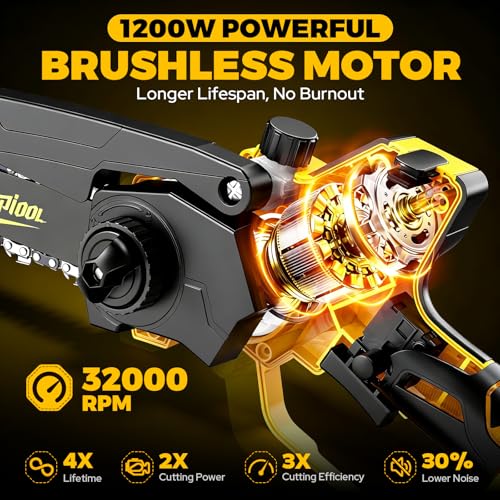
A battery chainsaw has to maintain chain speed under load, not just spin quickly in the air. Bar length, motor output, chain type, and wood hardness all affect whether the saw cuts cleanly or stalls and drains the pack. Picking for the largest realistic cut you will make gives safer, less frustrating performance.
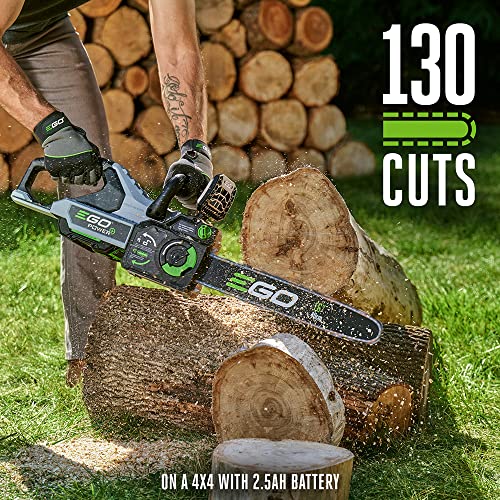
Match the saw to your real wood diameter, not just the maximum bar length on the box. For routine limbing and shrubs, a compact 12-inch class saw can be the right fit; for larger limbs, small trees, or rounds near the upper end of a homeowner cleanup job, look for higher voltage, a longer bar, good chain speed, and enough torque that the saw does not bog in hardwood. Avoid undersizing if you expect repeated cuts in thick green wood, because battery saws can feel strong at first but slow down when the motor, chain, or battery is overloaded. Owner sentiment strongly supports treating cutting ability as a top separator: buyers praised fast cutting, enough power for large limbs and 14-inch wood, and strong performance on branches, firewood, and hardwood limbs around 4 to 7 inches. The positive feedback also shows that smaller cordless saws can still be effective when the job is correctly matched to the saw’s size.
Battery Runtime
Runtime determines whether a cordless saw feels liberating or limiting. Capacity, wood size, chain sharpness, temperature, and cutting technique all change how many cuts you get from a charge. Compatibility with a battery platform can also matter because spare packs are often the difference between finishing and waiting.
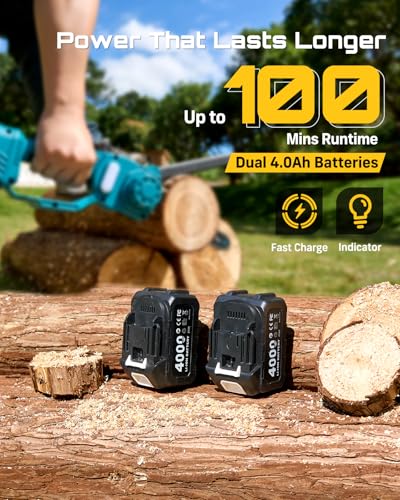
Check voltage, amp-hour capacity, charger speed, and whether you already own compatible packs before buying. A single medium-capacity pack can be enough for light cleanup, but longer storm work, firewood sessions, or repeated hardwood cuts call for a higher-capacity battery or a spare so the saw is not idle while charging. Also consider battery weight: more runtime is useful, but a large pack can change balance and make overhead limbing more tiring. Owner reports make runtime a clear buying factor. Buyers described getting lots of cuts per charge, found a 4.0Ah-class battery sufficient for real yard cleanup, and often said battery life lasted long enough to finish small jobs or a work session.
Handling
Chainsaw comfort is not just about how heavy the tool feels when lifted once. A saw that is nose-heavy, bulky, or awkward with the battery installed can be harder to control during repeated cuts. Better handling helps the user keep both hands positioned correctly and maintain control when branches shift.
Prioritize balance, grip shape, total weight with the battery installed, and easy two-hand control. For limbing, brush cleanup, and small-tree work, a lighter saw is often safer and faster because you are carrying it, setting it down, repositioning branches, and restarting constantly. Be cautious with oversized battery saws if you will cut at awkward angles, above waist height, or for long sessions; fatigue reduces control and increases kickback risk. Owner feedback repeatedly highlights this use pattern. Buyers liked lightweight, easy-handling saws for limbing, shrubs, and small tree work, and several found the weight manageable for yard work even with the battery installed. Reports also praised balanced handling as part of what made cordless saws convenient for casual property work.
Convenience
Cordless chainsaws are often chosen because they reduce the fuel, choke, pull-start, and idle management of gas models. The best ones preserve that advantage with simple controls and routine chain care that does not interrupt the job. Oiling and tensioning still matter because a dry or loose chain cuts poorly and can create safety problems.
Look for instant trigger start, a chain brake, lockout switch, clear battery status, tool-free or easy chain tensioning, and reliable automatic bar-and-chain oiling. Battery saws are especially useful for stop-and-go cleanup because you can cut, release the trigger, move debris, and resume without pull-starting or idling a gas engine. Avoid designs with fussy tensioning, hard-to-see oil levels, or awkward safety switches, because small annoyances become major friction during branch piles and storm cleanup. Owner sentiment strongly backs the convenience advantage. Buyers described starting and stopping as much easier than gas saws, especially when repeatedly cutting, moving branches, and picking the saw back up. They also valued easy starting, auto lubrication, and simpler maintenance for casual property work.
Build Quality
Chainsaws put stress on the bar mount, chain tensioner, handles, and safety hardware every time the chain bites into wood. Better construction helps maintain alignment, control, and consistent cutting over time. It also makes routine maintenance less frustrating because parts fit and adjust predictably.
Inspect build details that affect a high-vibration cutting tool: solid handles, rigid housing, secure battery latch, dependable chain brake, metal bucking spikes if you will cut larger wood, and easy access to replacement chains and bars. A battery chainsaw for occasional yard work does not need to be a pro forestry saw, but it should not feel flimsy around the handle, bar mount, or tensioning mechanism. Durability also includes whether the saw stays confidence-inspiring after repeated cuts, bumps, oil exposure, and outdoor storage. The owner evidence points to build quality as a meaningful differentiator. Buyers described some saws as solidly built and said positive tool experiences reinforced confidence, while performance praise was strongest when the saw combined power with dependable yard-work usability.
Job Fit
The best value is not always the most powerful saw; it is the one that fits the frequency, wood size, and cleanup style of the property. A tool that finishes common jobs safely and conveniently can be more worthwhile than one optimized for rare extreme cuts. Battery and charger needs should be counted as part of the ownership fit.
Buy for the cleanup you can realistically do yourself: pruning, limbing, fallen branches, and small-tree work are where cordless chainsaws often deliver the most value. If your work involves large felling, extensive firewood production, or all-day cutting, value may shift toward a bigger system with multiple batteries or another tool type. Also factor in whether the kit includes a usable battery and charger, because a bare tool can be a poor fit if you are not already invested in compatible packs. Owner sentiment supports value most strongly for homeowners replacing occasional paid cleanup or gas-saw hassle. Buyers called value for money a common strength, especially when using the saw for branch and small-tree cleanup, and convenience compared with gas alternatives added to that perceived value.
1,000,000+ shoppers use Buyer's Guide every week to find the best products and services online.

Helping millions of users make smarter purchases online.


