
What to Know Before Choosing Air Purifiers
Posted on Thursday, April 30, 2026
To keep this site free for consumers, we receive compensation for customer referrals.
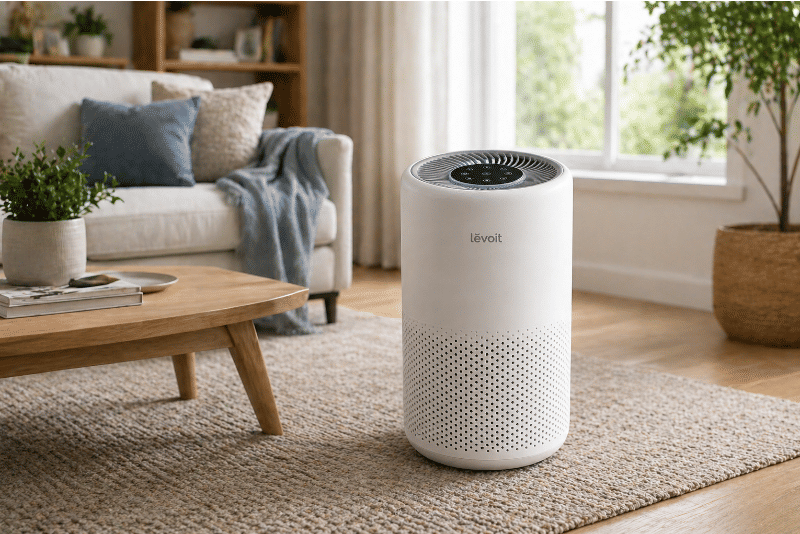
What to Know Before Choosing Air Purifiers
Air purifiers are designed to improve indoor air quality by reducing airborne particles and contaminants. They are commonly used in homes, offices, and other enclosed spaces where ventilation may be limited or inconsistent. Understanding how air purifiers function—and how different types vary—can help clarify what to expect from this category before evaluating specific options.
While air purifiers are often associated with cleaner air, their effectiveness depends on multiple factors, including room size, filtration method, and placement. A closer look at how these devices operate provides useful context for making informed decisions.
How Air Purifiers Work in Practice
Air purifiers operate by drawing in air, passing it through one or more filters, and then recirculating the filtered air back into the room. This continuous cycle gradually reduces the concentration of airborne particles over time.
The performance of an air purifier is influenced by airflow capacity, filter efficiency, and how well the device is matched to the size of the space. These elements work together to determine how quickly and effectively air is processed.
Common Types of Air Purification Systems
Air purifiers use different technologies to target various types of pollutants. Understanding these approaches helps explain why certain designs are better suited for specific environments.
Mechanical Filtration Systems
These systems use dense filters to physically capture particles such as dust, pollen, and pet dander. Air is forced through the filter, where particles are trapped within the material.
This method is widely used and focuses on removing solid particulates from the air rather than gases or odors.
Activated Carbon Filtration
Activated carbon filters are designed to absorb odors, gases, and volatile compounds. The porous structure of the material allows it to trap smaller, non-particulate pollutants that mechanical filters may not capture.
These filters are often used in combination with other filtration methods to broaden overall coverage.
Electronic and Ion-Based Systems
Some air purifiers use electrically charged particles to attract and capture contaminants. These systems may rely on plates or charged surfaces to collect particles from the air.
Performance can vary depending on environmental conditions and maintenance practices, such as cleaning collection plates.
Ultraviolet-Based Systems
Ultraviolet (UV) systems are designed to target microorganisms by exposing them to specific wavelengths of light. This approach focuses on reducing biological contaminants rather than removing particles from the air.
UV systems are typically integrated with other filtration methods rather than used alone.
Key Features That Influence Performance
Beyond filtration type, several features affect how an air purifier performs in everyday use. These details often determine whether a unit aligns with specific environmental needs.
- Room coverage: Devices are designed to handle spaces of certain sizes, making it important to match capacity with the intended room.
- Airflow rate: Higher airflow allows more air to pass through the system, which can influence how quickly particles are reduced.
- Filter configuration: Multi-stage systems combine different filters to address a wider range of pollutants.
- Noise levels: Operating sound can vary depending on fan speed and design, which may matter in bedrooms or workspaces.
- Maintenance requirements: Filters and components may need periodic replacement or cleaning to maintain performance.
- Control settings: Adjustable speeds, timers, and sensors can affect how the purifier operates over time.
Evaluating these features in context can help clarify how a unit may function in a specific environment.
How Design Impacts Everyday Use
The physical design of an air purifier influences placement and usability. Compact units may fit more easily into smaller rooms, while larger systems may be intended for open living areas.
Air intake and output positioning also affect how efficiently air circulates. Units placed in obstructed areas may not perform as intended, regardless of their specifications.
Portability can be another consideration, particularly for those who plan to move the device between rooms. Some designs prioritize lightweight construction, while others are intended to remain in a fixed location.
Trade-Offs and Practical Limitations
Air purifiers are not a complete substitute for ventilation or source control. While they can reduce certain airborne particles, they do not eliminate all pollutants or address underlying causes such as moisture or outdoor air infiltration.
Different filtration methods also involve trade-offs. Systems that capture fine particles may require more frequent filter maintenance, while those targeting odors may have limited effectiveness against larger particulates.
Energy use and ongoing upkeep are additional considerations. Continuous operation may be necessary to maintain air quality, which can influence long-term usability.
Where Air Purifiers Make Sense
Air purifiers are commonly used in environments where indoor air quality is a concern due to dust, allergens, or limited airflow. They may be particularly relevant in bedrooms, living areas, or workspaces where people spend extended periods.
Households with pets, shared living spaces, or urban environments may approach this category with different priorities. The intended use often shapes which features are most relevant, such as filtration type or coverage area.
Understanding how your environment influences air quality can help guide more focused evaluation within this category.
Making a More Informed Choice
Choosing an air purifier involves balancing filtration methods, room compatibility, and practical constraints. No single configuration addresses every scenario equally, making it important to consider how different features align with specific needs.
With a clearer understanding of how air purifiers function and where they vary, comparing options becomes a more structured process. Check out our website for more guidance on navigating product categories and building confidence in your decision-making process.

Related Blog Posts

.png)


