How to Choose an Air Purifier
Clean air is something many people take for granted until they notice dust floating through a sunbeam or experience sneezing fits indoors. An air purifier can make a noticeable difference by removing airborne particles and improving the overall quality of the air you breathe. Whether you live in a city apartment, a suburban home, or near a construction zone, choosing the best air purifier can help you create a healthier indoor environment.
An air purifier works by drawing in air and passing it through one or more filters designed to capture contaminants such as dust, pollen, smoke, and microscopic allergens. The cleaned air is then circulated back into the room. The effectiveness of an air purifier depends on its filtration system, airflow capacity, and how well it matches the size of the space it is used in. Understanding these factors will help you make a smart choice that meets your household’s needs.
One of the most important features to look for in an air purifier is the type of filter it uses. The most common and effective option for general use is the HEPA filter, short for High Efficiency Particulate Air. A true HEPA filter can capture extremely small particles, including dust mites, pet dander, and mold spores. For people with allergies or asthma, a HEPA-based air purifier can provide noticeable relief by reducing the presence of common triggers in the air.
In addition to particle filters, many air purifiers include activated carbon filters designed to remove odors and volatile organic compounds. These filters are particularly useful in homes with cooking fumes, household cleaners, or lingering smoke. Some models combine both HEPA and carbon filtration to address both particulates and gaseous pollutants. When evaluating a purifier, consider the types of contaminants you want to target and select a system with the right combination of filters for your space.
Another key factor is the purifier’s Clean Air Delivery Rate, or CADR. This rating measures how quickly the unit can clean air within a specific room size. A higher CADR value generally means faster and more efficient filtration. For best results, choose a purifier with a CADR suitable for your room’s square footage. Using an undersized unit will reduce effectiveness, while an oversized model may waste energy and operate more loudly than necessary.
Noise level can also influence how satisfied you are with your air purifier. Many people place purifiers in bedrooms or offices where quiet operation matters. While higher fan speeds usually deliver faster results, they can also produce noticeable sound. Look for devices that offer multiple speed settings or a dedicated sleep mode that balances performance and comfort during nighttime use.
Maintenance plays a major role in keeping an air purifier performing at its best. Filters eventually become clogged with particles, which reduces airflow and efficiency. Most manufacturers recommend replacing filters every six to twelve months, though this depends on how often the purifier runs and the air quality in your area. Regular cleaning of exterior vents and sensors also helps ensure smooth operation. Taking a few minutes each month to maintain your purifier can extend its lifespan and preserve its effectiveness.
Energy efficiency is another aspect worth considering. Air purifiers often run continuously, so choosing a model that consumes less electricity can reduce your long-term costs. Some purifiers are designed to meet energy efficiency certifications, indicating they meet specific standards for performance and power usage. Even small differences in wattage can add up over months of operation, making efficient models a practical choice for budget-conscious households.
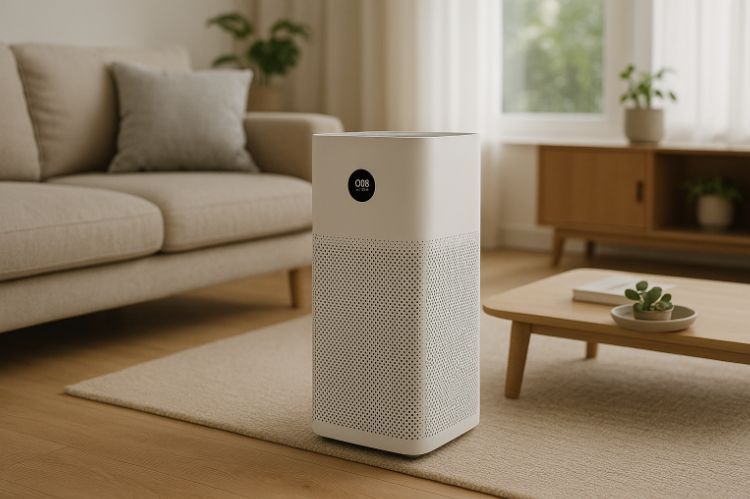
Room placement can affect how well your air purifier performs. Positioning it in an open area with good airflow, away from walls and large furniture, allows the device to circulate air evenly throughout the space. If your home has multiple rooms or levels, you might need more than one unit or a system capable of handling larger areas. For best results, avoid placing purifiers near moisture sources like humidifiers or windows where condensation forms, as this can interfere with filter performance.
It’s also helpful to consider the specific challenges in your living environment. Homes with pets often have more dander and hair in the air, requiring frequent filter changes. Urban dwellers may face fine particulate matter from vehicle emissions, while rural areas can experience seasonal pollen or dust from agricultural activity. Matching your purifier’s capabilities to your environment ensures cleaner, fresher air where it matters most.
Some air purifiers offer extra features such as air quality sensors, automatic mode, and digital displays. While these are not essential for cleaning air, they can improve convenience and provide real-time feedback about indoor air conditions. A sensor-based system can adjust fan speed automatically when pollutants increase, ensuring consistent air quality without constant manual adjustments. These features may add to the cost, but they enhance usability for people who prefer a more hands-off experience.
Understanding airflow dynamics also helps you get better results. Air circulates in patterns, and positioning your purifier where air naturally moves through the room can enhance its efficiency. For example, placing it near a central point or near doorways allows it to capture airborne particles more effectively. Experimenting with placement and observing results over a few days can help determine the best spot in your home.
Ultimately, the best air purifier for you depends on your personal needs, living space, and air quality challenges. A small bedroom might only need a compact purifier, while open-plan living areas benefit from more powerful models. By focusing on filter quality, CADR rating, maintenance ease, and placement, you can enjoy cleaner air and greater peace of mind knowing your home’s atmosphere is healthier.
Investing in an air purifier is an investment in your comfort and well-being. Breathing cleaner air can reduce irritation, improve sleep quality, and create a fresher environment for everyone in your household. With a bit of research and regular upkeep, your air purifier can become a quiet yet powerful ally in maintaining a cleaner, more comfortable home for years to come.