Understanding Exercise Bikes for Home Fitness
Posted on Saturday, March 07, 2026
To keep this site free for consumers, we receive compensation for customer referrals.
Understanding Exercise Bikes for Home Fitness
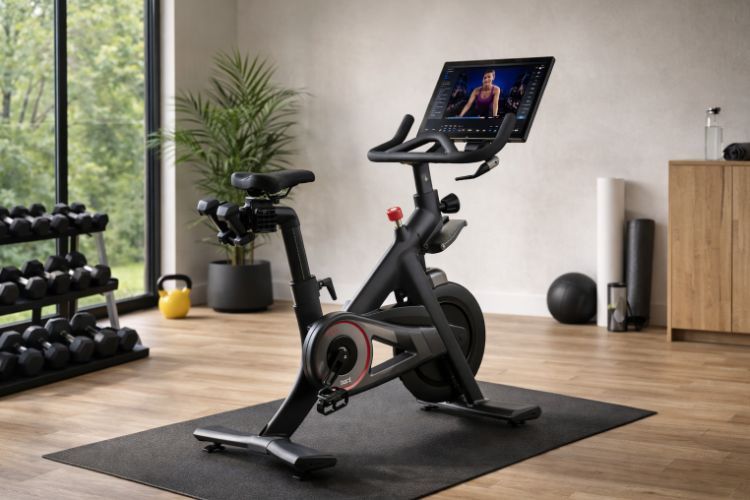
Exercise bikes are a widely used category of indoor fitness equipment designed to simulate cycling in a stationary setting. For individuals building a home fitness routine, exercise bikes offer a structured way to perform cardiovascular training without relying on outdoor conditions. Their relatively compact footprint and adjustable resistance make them adaptable to a variety of living spaces and fitness levels.
Before selecting a model, it is helpful to understand how exercise bikes function, the differences between primary types, and which features meaningfully influence comfort and performance. A clear understanding of these elements supports a more informed evaluation process.
The Role of Exercise Bikes in Home Fitness
Exercise bikes are primarily used to improve cardiovascular endurance, support lower-body conditioning, and provide low-impact aerobic activity. Because the user remains seated, joint stress is generally lower than with some other forms of cardio equipment. This makes exercise bikes a practical consideration for individuals seeking controlled, repetitive movement patterns.
In a home environment, convenience plays a significant role. Having consistent access to equipment can make it easier to integrate short or structured sessions into a regular schedule.
How Exercise Bikes Work
Exercise bikes use a flywheel and resistance mechanism to simulate the feel of pedaling against varying levels of intensity. As the pedals rotate, resistance is applied either through magnetic systems, friction-based systems, or electronically controlled mechanisms. The type of resistance affects noise level, maintenance requirements, and the smoothness of the ride.
Most models include a console that tracks metrics such as time, distance, speed, and estimated energy expenditure. Some versions also incorporate preset workout programs designed to vary resistance automatically during a session.
Main Types of Exercise Bikes
The exercise bike category includes several primary configurations, each designed to accommodate different posture preferences and workout styles.
- Upright Exercise Bikes: These resemble traditional outdoor bicycles, with pedals positioned directly beneath the rider. They promote an engaged core and a relatively compact footprint.
- Recumbent Exercise Bikes: Featuring a reclined seat with back support and forward-positioned pedals, recumbent models emphasize comfort and lower-back support.
- Indoor Cycling Bikes: Built for higher-intensity sessions, these bikes often include heavier flywheels and adjustable handlebars for varied riding positions.
- Folding Exercise Bikes: Designed for smaller living spaces, folding models prioritize storage convenience over advanced features.
Each type offers a distinct riding posture and space requirement, which can influence long-term usability.
Key Features to Evaluate
Exercise bikes vary in design and capability. The following features frequently influence overall experience and practicality:
- Resistance Levels: A wider range of resistance settings allows for gradual progression and varied workout intensity.
- Flywheel Weight: Heavier flywheels often contribute to smoother pedal motion, particularly during higher-intensity sessions.
- Seat and Handlebar Adjustability: Multiple adjustment points help accommodate different body sizes and improve ergonomic alignment.
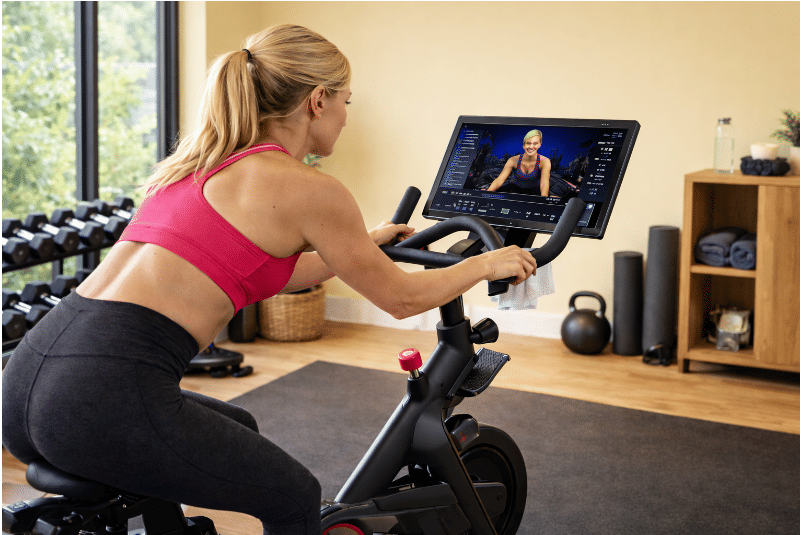
- Display Console: Screen size, readability, and metric tracking capabilities affect how easily users can monitor performance.
- Preprogrammed Workouts: Built-in programs can structure sessions without requiring manual adjustments.
- Heart Rate Monitoring: Some bikes include grip sensors or compatibility with external monitors for tracking exertion.
- Noise Level: Magnetic resistance systems tend to operate more quietly than friction-based systems.
- Stability and Frame Construction: A solid frame can reduce wobble during more vigorous pedaling.
Not every feature will be essential for every household. Identifying which elements align with your intended workout style helps focus the evaluation process.
Space and Placement Considerations
Exercise bikes are often selected for their relatively compact design compared to other cardio equipment. However, dimensions vary between upright, recumbent, and indoor cycling models. Measuring available floor space in advance can prevent installation challenges.
Ventilation and flooring are also practical considerations. Placing the bike on a stable surface and allowing room for airflow can contribute to a more comfortable exercise environment.
Performance and Comfort in Daily Use
Long-term consistency with home fitness equipment often depends on comfort. Seat cushioning, pedal design, and handlebar positioning all influence how sustainable sessions feel over time. A model that supports proper posture may reduce strain during extended workouts.
Resistance transitions should feel smooth rather than abrupt. Consistent pedal motion and stable construction can contribute to a more predictable riding experience, particularly during interval-style training.
Trade-Offs and Practical Limitations
Exercise bikes offer structured cardiovascular training but primarily target the lower body. Individuals seeking full-body conditioning may incorporate additional equipment or cross-training activities. Similarly, compact folding models may sacrifice advanced resistance systems for storage convenience.
More advanced consoles and electronic features can expand training options but may add complexity. Simpler models emphasize ease of use, which may appeal to those prioritizing straightforward functionality.
Who This Category Is Designed For
Exercise bikes are suitable for individuals seeking controlled, low-impact cardio sessions at home. They are often used by beginners establishing a routine, experienced cyclists supplementing outdoor riding, or individuals prioritizing joint-conscious exercise.
Households with limited space may gravitate toward upright or folding designs, while those prioritizing comfort may consider recumbent configurations. The appropriate choice depends largely on personal fitness goals and available room.
Evaluating Your Options Thoughtfully
Selecting an exercise bike involves balancing resistance capability, comfort features, available space, and intended training intensity. Rather than focusing on isolated specifications, consider how the bike will integrate into your daily routine.
Understanding how different exercise bike types support varying fitness goals can make comparisons more manageable. With a clear sense of priorities and space constraints, narrowing down suitable options becomes more straightforward. For more structured category insights and educational resources, visit our site for additional guidance.

Related Blog Posts