How to Choose a Fitness Watch
Posted on Saturday, February 28, 2026
To keep this site free for consumers, we receive compensation for customer referrals.
How to Choose a Fitness Watch
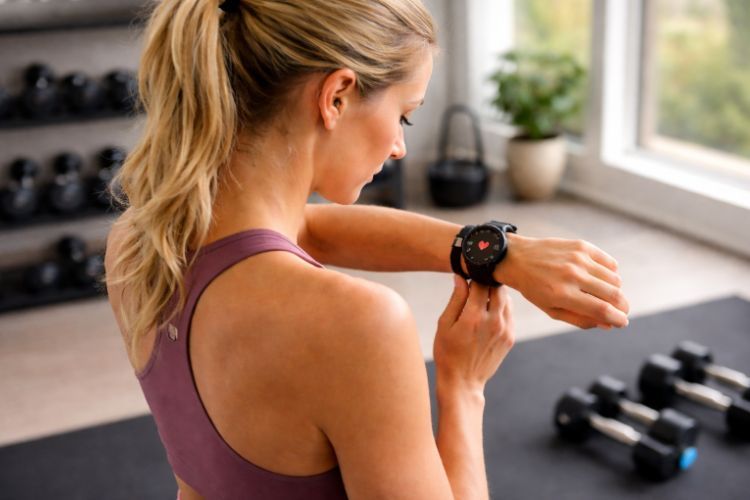
A fitness watch is a wearable device designed to monitor physical activity, track health-related metrics, and support training goals. As the category has expanded, fitness watches now range from basic activity trackers to advanced multi-sport tools with detailed biometric monitoring. Understanding how to choose a fitness watch begins with identifying which features align with your lifestyle, workout habits, and data preferences.
Rather than focusing on aesthetics or surface-level specifications, evaluating how the device functions in everyday use can help narrow your options. Battery performance, sensor accuracy, software ecosystem, and comfort all influence long-term satisfaction. Clarifying your priorities early makes comparing models more straightforward.
What a Fitness Watch Is Designed to Do
At its core, a fitness watch measures movement through built-in sensors such as accelerometers and optical heart rate monitors. Many models also incorporate GPS tracking, sleep analysis, and guided workout features. Some extend into smartwatch territory with notifications, music control, and contactless payments.
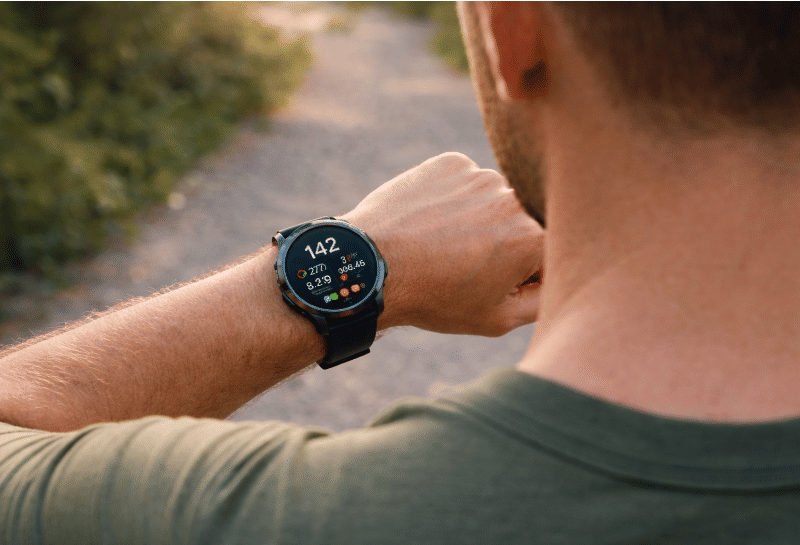
The primary role of a fitness watch is to translate raw activity data into meaningful insights. Depending on the device, this may include step counts, calorie estimates, heart rate zones, training load metrics, and recovery indicators. The depth and accuracy of these insights vary across the category.
Common Types of Fitness Watches
Fitness watches generally fall into a few functional categories, each suited to different user needs.
- Basic activity trackers: Focused on steps, distance, calories, and general daily movement. Typically lightweight and streamlined.
- Multi-sport watches: Designed for running, cycling, swimming, and structured workouts with built-in GPS and performance metrics.
- Outdoor-oriented models: Often include altimeters, compasses, route tracking, and ruggedized construction.
- Hybrid smartwatch-fitness devices: Combine fitness tracking with broader connectivity features like messaging alerts and app integration.
Choosing the right type depends on how structured your exercise routine is and how much performance detail you want to analyze.
Key Features to Evaluate Carefully
Specifications alone do not tell the full story. Consider how each feature contributes to usability and long-term value.
- Heart Rate Monitoring: Optical sensors provide continuous tracking, while some devices support chest strap connectivity for added precision. Accuracy can affect training zone calculations.
- GPS Capability: Built-in GPS tracks pace and distance without a phone. This is especially relevant for runners and cyclists.
- Battery Life: Usage time varies widely depending on screen type, GPS use, and background tracking. Longer battery life reduces charging frequency.
- Display Type: AMOLED screens offer vibrant visuals, while transflective displays prioritize outdoor readability and efficiency.
- Water Resistance: Important for swimmers or users who train in varied weather conditions.
- Data Integration: Consider how the watch syncs with mobile apps and whether it integrates with other health platforms you already use.
- Comfort and Build: Case size, strap material, and weight influence whether the device feels suitable for all-day wear.
Understanding how these elements interact can clarify which specifications matter most for your routine.
Performance and Daily Usability Considerations
A fitness watch may offer advanced tracking features, but daily practicality often determines long-term satisfaction. Interface simplicity, button layout, and touch responsiveness influence how easy it is to navigate workouts and review data.
Notification management is another factor. Some users prefer minimal distraction, while others want seamless integration with calls and messages. Evaluating how the device balances fitness tracking with connectivity can help align expectations.
Durability also plays a role. Materials such as reinforced polymers, stainless steel, or titanium cases vary in weight and resilience. Matching construction quality to your training environment can extend the watch’s lifespan.
Trade-Offs to Consider
Fitness watches often balance battery life, display brightness, and processing capability. High-resolution screens may consume more power, while extended GPS tracking can shorten battery duration.
More detailed analytics may also introduce complexity. Devices with advanced performance metrics sometimes require greater familiarity with training terminology. Simpler models, while easier to use, may provide less granular insight.
Cost structures, while not discussed here in detail, typically scale alongside feature sets and build materials. Identifying which features you genuinely use can prevent over-investment in unnecessary functionality.
Situations Where a Fitness Watch Makes Sense
Fitness watches are particularly useful for individuals who value measurable progress. Runners, cyclists, strength trainers, and recreational athletes often benefit from consistent performance tracking.
They also appeal to users focused on general wellness, including step tracking, sleep monitoring, and heart rate awareness. For some, the motivation derived from structured feedback can reinforce habit formation.
However, if you rarely review metrics or prefer unstructured activity, a simplified device—or no device at all—may align better with your habits. Matching the watch to your behavioral patterns is as important as matching it to your workouts.
Clarifying Your Priorities Before You Decide
Choosing a fitness watch becomes easier when you define your primary goal: performance optimization, general health tracking, or hybrid smartwatch functionality. From there, narrowing the field based on battery expectations, comfort, and data depth becomes more manageable.
Understanding these factors can make comparing options much easier. With a clear sense of how you train and how you prefer to engage with data, evaluating different fitness watch models becomes a more confident and informed process.
For more category-level guidance and structured product research, visit our site to continue exploring how wearable technology fits into your broader health and fitness goals.

Related Blog Posts