
Choosing Fitness Apps That Fit Goals
Posted on Wednesday, February 18, 2026
To keep this site free for consumers, we receive compensation for customer referrals.
Understanding Fitness Apps
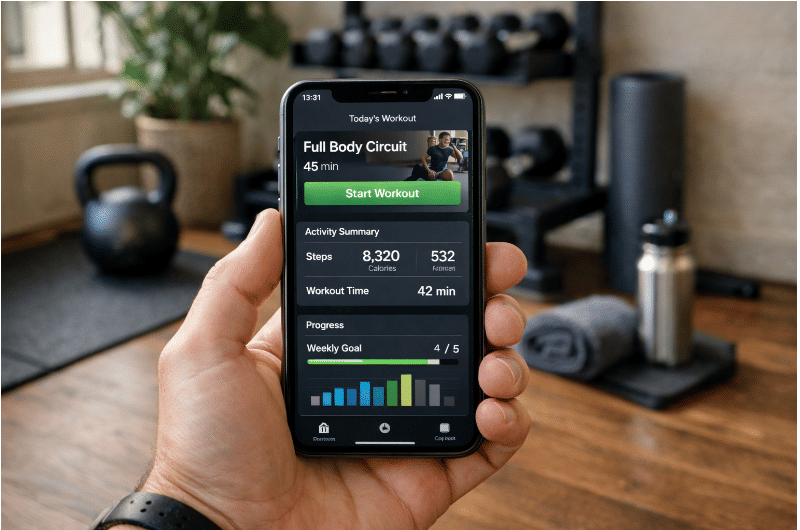
Fitness apps have become a central tool for individuals seeking structure, flexibility, and visibility into their physical activity. Whether used for guided workouts, activity tracking, or long-term performance planning, fitness apps consolidate multiple health-related functions into a single digital platform. As mobile technology continues to integrate into daily routines, these tools play an increasingly practical role in how people approach exercise and movement.
Before selecting among available fitness apps, it helps to understand how they function, what types exist, and how specific features influence real-world usability. Not all platforms serve the same purpose, and clarity around personal goals can significantly narrow the field.
The Role of Fitness Apps in Everyday Use
Fitness apps act as digital frameworks for organizing exercise routines and monitoring physical activity. Some focus on structured workout instruction, while others emphasize tracking metrics such as steps, heart rate, or calories burned. Many combine these capabilities, offering hybrid systems that support both guided programming and performance monitoring.
For some users, fitness apps replace traditional gym programming. For others, they complement in-person training, outdoor exercise, or independent routines. Their value lies in accessibility and the ability to adapt to changing schedules.
How Fitness Apps Function
Most fitness apps operate through a combination of user input, wearable device integration, and algorithm-based recommendations. Upon setup, users typically enter baseline information such as age, weight, fitness level, and goals. This information informs suggested workout plans or activity targets.
Apps that integrate with wearable devices can automatically track steps, heart rate variability, sleep patterns, and exercise intensity. Others rely on manual logging. The level of automation often influences convenience, but manual tracking can offer more control over how data is interpreted.
Types of Fitness Apps
The category of fitness apps includes several distinct formats, each suited to different preferences and goals:
- Workout Instruction Apps: These provide guided routines through video, audio, or written instruction. Programs may focus on strength training, yoga, cardio, flexibility, or interval training.
- Activity Tracking Apps: Designed primarily to monitor daily movement, these track metrics such as steps, distance, and calories.
- Training Plan Platforms: These offer structured, multi-week programs aimed at building endurance, strength, or specific athletic skills.
- Habit and Goal Tracking Apps: Focused on consistency, these emphasize accountability, streak tracking, and behavior reinforcement.
- Hybrid Platforms: Combining multiple functions, these apps integrate guided workouts, tracking tools, and progress analytics in one interface.
Understanding which format aligns with your priorities can simplify evaluation. A user focused on marathon preparation will likely require different features than someone seeking short home workouts.
Core Features to Evaluate
When reviewing fitness apps, several feature categories shape the user experience and long-term usability:
- Workout Library Depth: The range and variety of available sessions can determine whether the app remains relevant over time.
- Customization Options: Adjustable difficulty levels, time settings, and goal-based filters influence adaptability.
- Progress Tracking: Visual dashboards, milestone tracking, and historical data logs help contextualize performance.
- Device Integration: Compatibility with wearables or heart rate monitors can enhance data accuracy.
- User Interface Design: Clear navigation and intuitive layouts reduce friction during workouts.
- Offline Accessibility: Downloadable sessions support travel or low-connectivity environments.
- Coaching Style: Audio cues, pacing guidance, and instructional clarity vary widely across platforms.
Each of these features influences how seamlessly the app fits into daily life. For example, highly customizable programs may appeal to experienced users, while structured guidance may better serve beginners.
Performance and Usability Considerations
Consistency often determines the practical value of fitness apps. Ease of use plays a significant role in whether individuals maintain engagement. Complicated onboarding processes or overly complex dashboards can create barriers to regular use.
Notification systems also warrant consideration. Some users benefit from reminders and milestone alerts, while others may find frequent notifications disruptive. Understanding personal motivation patterns can help clarify which approach feels sustainable.
Battery consumption, device storage requirements, and streaming quality may also affect daily usability. While these factors are often secondary to workout quality, they influence overall satisfaction.
Trade-Offs to Consider
Fitness apps offer flexibility, but they also present certain constraints. Digital coaching lacks real-time form correction unless paired with live sessions or camera-based feedback. Users relying exclusively on app-based instruction may need to pay closer attention to technique.
Data accuracy can vary depending on whether tracking is manual or device-driven. Wearable integration improves automation but may introduce compatibility limitations. Additionally, algorithm-generated recommendations may not account for nuanced health considerations.
Another trade-off involves structure versus autonomy. Highly guided platforms reduce planning effort but limit customization. More open-ended tracking apps require self-direction but allow greater flexibility.
Common Use Scenarios
Fitness apps serve a wide range of user profiles. Individuals with unpredictable schedules often rely on short, on-demand workouts that can be completed at home. Frequent travelers may prioritize offline capabilities and minimal equipment routines.
Beginner users may benefit from foundational programs that introduce movement patterns gradually. More experienced users might seek advanced progression tools, detailed analytics, or periodized training structures.
Households with limited space often look for bodyweight-focused sessions requiring minimal equipment. In contrast, users with access to gym facilities may prioritize platforms that integrate resistance training logs and performance metrics.
Where Fitness Apps Make the Most Impact
Fitness apps can lower logistical barriers to exercise by removing the need for fixed schedules or physical locations. They centralize instruction, progress tracking, and goal setting within a portable system.
For individuals building new habits, structured prompts and measurable milestones can reinforce consistency. For established exercisers, performance analytics may offer additional insight into training patterns.
Understanding these practical impacts helps clarify expectations. Fitness apps can organize and support physical activity, but outcomes ultimately depend on regular participation and realistic goal setting.
Choosing the Best App for You
Choosing among fitness apps becomes more manageable when priorities are clearly defined. Consider how much structure you prefer, whether device integration matters, and what type of training environment feels sustainable. Identifying non-negotiable features in advance can streamline comparison.
For a deeper exploration of the category, including structured insights into available formats and considerations, Buyers Guide provides an overview designed to help you choose which one is best for you.
With a clear understanding of your goals and how different fitness apps align with them, narrowing your choices becomes more straightforward. Taking time to evaluate functionality, usability, and trade-offs ensures the selected platform supports your routine in a practical and sustainable way.

Related Blog Posts

.png)


