













We also considered 10 others:


Our Top Choice
Compare Features


The order above is not editorial opinion, and it is not paid placement. It comes from what shoppers across our network actually do - which backyard projectors they compare, and which they ultimately buy. We re-rank as new data comes in, so the long-term favorites have to keep earning their spot against new entrants. The full method, including how we make money.
Backyard Projectors Buyer's Guide
Backyard projectors live or die by a tradeoff indoor models can dodge: they need enough real-world brightness for a large image after sunset, but they also have to be easy to carry, power, aim, hear, and pack away before moisture or dust becomes a problem. The sharpest things to check are outdoor placement limits, screen size versus brightness, audio reach, streaming compatibility, and whether setup features can handle an imperfect patio or yard without degrading the image.
Quality
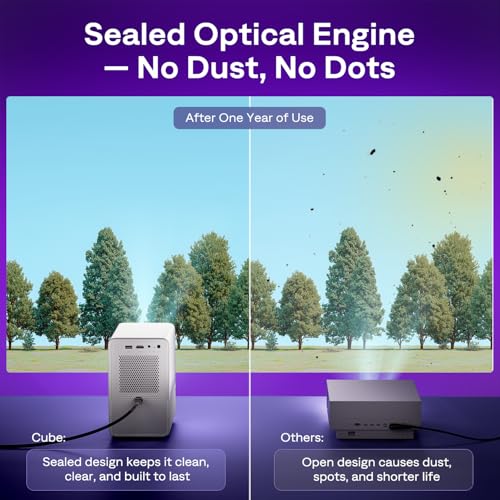
A projector’s quality affects how well it holds focus, handles heat, and delivers a consistent image over repeated use. Look for sturdy construction, dependable controls and inputs, stable brightness and color, and signs of good thermal design; be cautious of flimsy housings, noisy fans, loose ports, or user feedback pointing to early failures or inconsistent performance.
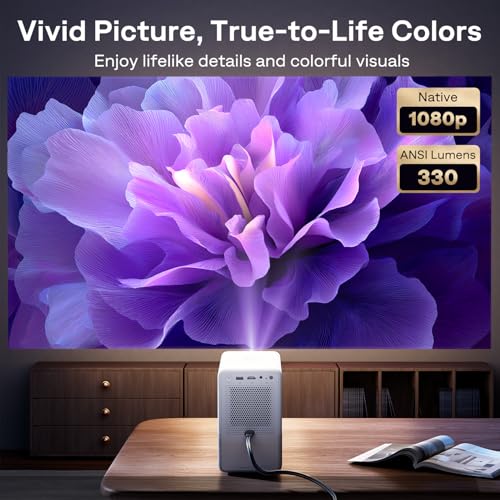
For backyard use, prioritize durable-feeling basics over headline specs: native 1080p or better, even focus across the whole screen, stable HDMI/WiFi/Bluetooth connections, and a design you can bring back indoors quickly rather than leave exposed to dew, dust, or rain. Avoid models that only look good in tiny indoor demos or depend on vague brightness claims, because a large outdoor screen exposes softness, washed-out color, and weak wireless performance fast. Owner feedback supports that the better picks in this category can deliver clear, bright, sharp, colorful images in dimmer spaces, with smooth Bluetooth, AirPlay, app streaming, and external-speaker pairing that helps outdoor movie nights feel more like a true big-screen setup.
Setup
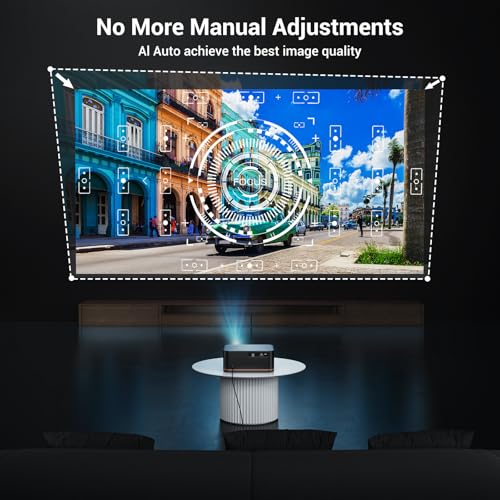
A projector that’s easy to set up saves you from fighting with placement, focus, and image alignment every time you want to watch something. Look for helpful features like autofocus, keystone correction, lens shift, zoom, clear menus, and flexible mounting or tabletop placement options. Be cautious if a projector requires a very exact position or relies heavily on digital correction, since that can make setup fussier or slightly reduce image quality.
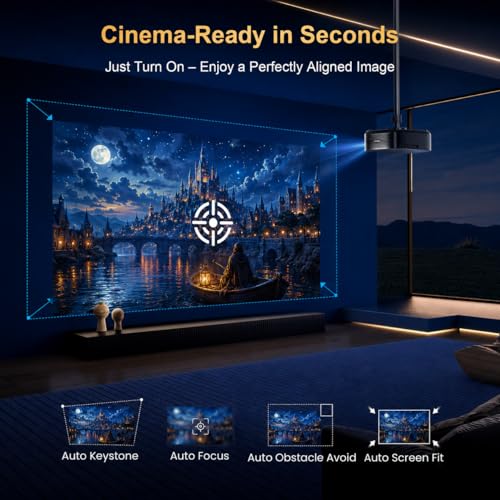
Choose a backyard projector that can be aligned quickly from a picnic table, tripod, shelf, or uneven patio surface: autofocus, auto-keystone, corner correction, zoom, a standard tripod mount, and a throw ratio that fits your yard are all more important outdoors than in a fixed room. Still, avoid relying on heavy keystone correction as a cure-all, because it can reduce resolution and make text or subtitles softer; it is better if the projector can sit close to centered with the screen. Owners frequently report that fast setup, autofocus, auto-keystone, built-in streaming systems, and easy hookups to phones, laptops, and streaming devices make it possible to get a watchable image in minutes, which is exactly the kind of low-friction setup backyard viewing needs.
Picture
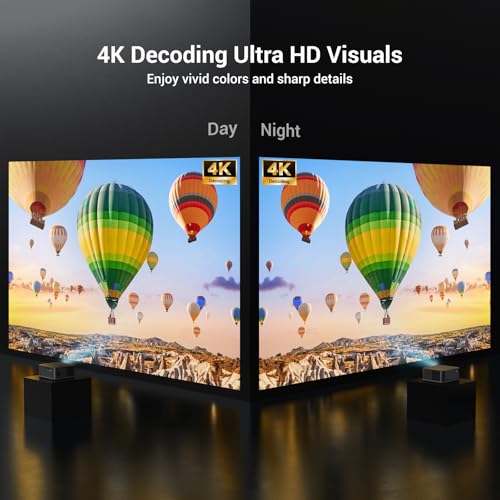
Picture quality determines how clear, bright, and natural your projected image looks, especially as screen size increases or room lighting changes. Look for enough brightness for your space, sharp resolution for the content you watch, and accurate color that doesn’t look washed out or overly artificial. Be careful not to judge by “4K” alone, since contrast, lens quality, and light output can matter just as much to how good the image actually looks.
For the picture, match brightness to your actual viewing time and screen size: a projector that looks vivid after full dark may look weak at dusk, under string lights, or on an oversized screen. Look for native resolution, credible brightness information, good contrast, manual picture controls, and a proper outdoor screen rather than expecting a fence, sheet, or textured wall to preserve sharpness and color. Owner sentiment lines up with this concern: shoppers often praise clear, sharp, vivid, movie-friendly images in dimmer conditions, and some report surprisingly usable results with a bit of ambient light, but the strongest praise still clusters around dark-room or low-light viewing.
Value
A projector’s value for money comes down to whether its image quality, brightness, features, and reliability justify what you pay. Look for a balance of performance and practical extras you’ll actually use, such as easy setup, useful ports, or low-maintenance operation, and be wary of paying more for specs or features that won’t improve your viewing experience.
Judge value by the whole backyard kit, not just the projector: you may still need a stable screen or frame, extension-rated power, a stand or tripod, external speakers, a streaming device, storage protection, and safe cable routing. Included screens and accessories can be useful, but check whether they are actually suitable for wind, repeated outdoor setup, and the image size you want; a low-cost projector can become less attractive if it requires multiple add-ons to work well outside. Owner feedback generally supports strong value in this category, with many buyers saying the image quality, convenience features, portability, included extras, and everyday versatility feel impressive for the money.
Performance
You want a projector that performs smoothly across the ways you actually use it, whether that’s watching movies, sharing presentations, or switching between devices. Look for reliable brightness and image consistency, responsive controls, low input lag if you game or interact in real time, and enough connection options to handle your setup without constant workarounds. Be wary of projectors that look good only in ideal conditions but struggle with motion, focus, heat, fan noise, or basic functionality during everyday use.
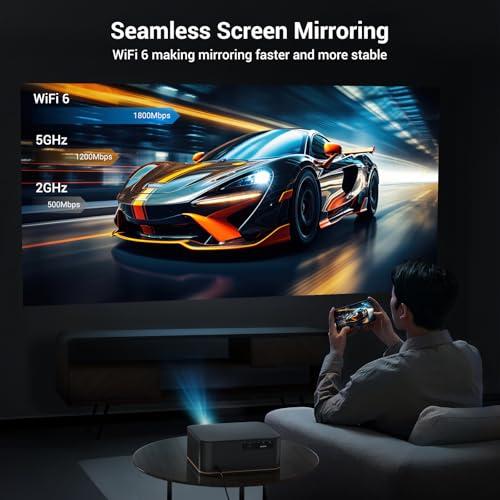
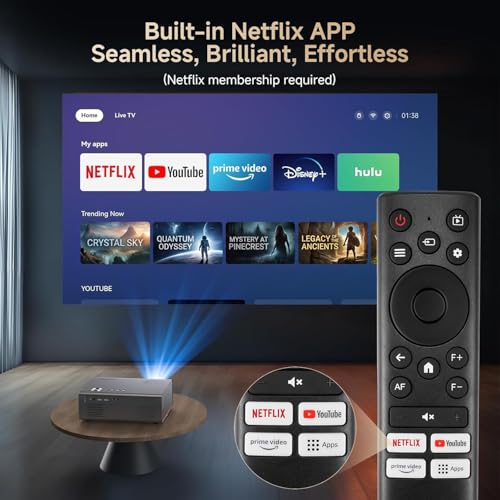
Backyard performance depends on more than whether the projector turns on: verify WiFi range to the yard, dual-band wireless support, reliable HDMI input, app compatibility for the services you use, heat handling, fan noise, and input lag if you plan to game or watch live sports. Be cautious with projectors that advertise smart features but lack the streaming app support or content-certification you need, since outdoor setups are frustrating when you have to troubleshoot logins, casting, or blocked playback in the dark. Owners commonly praise smooth WiFi setup, built-in streaming apps, HDMI support, quick access to movies and sports, and bright 1080p images that hold up for streaming, gaming, and backyard movie nights, which are the performance traits that matter most here.
Sound
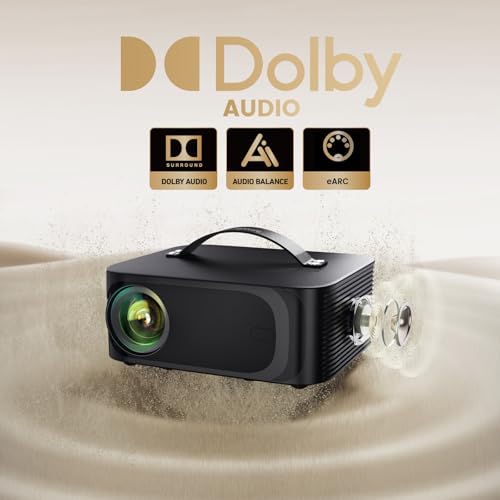
You’ll want to consider sound quality because built-in speakers can determine whether a projector is convenient on its own or needs an external speaker system to feel complete. Look for audio that is loud enough for your room, clear at higher volumes, and not overly thin or distorted; compact projectors often have limited bass and separation, so plan for external audio if you want a more immersive movie or gaming experience.
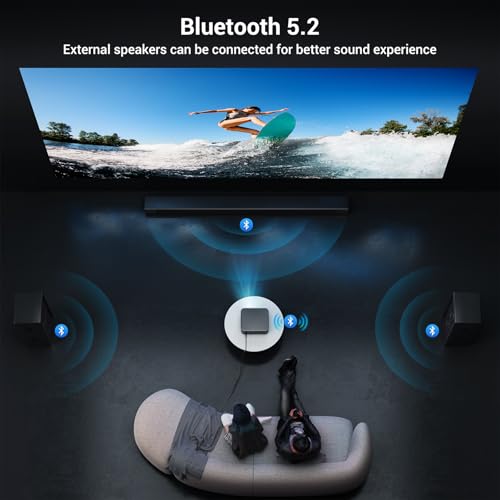
For outdoor sound, assume built-in speakers are a convenience, not a full solution: open air, distance from the seating area, wind, and neighborhood noise can make small speakers seem much weaker than they do indoors. Look for Bluetooth audio output, low-latency speaker pairing, a 3.5 mm or HDMI audio path if needed, and enough volume control to place sound near viewers rather than blasting from the projector location. Owner feedback suggests many built-in speakers are loud and clear enough for small rooms, private viewing, or casual backyard movies, but buyers also often prefer an external Bluetooth speaker for fuller outdoor volume and a more immersive experience.
1,000,000+ shoppers use Buyer's Guide every week to find the best products and services online.

Helping millions of users make smarter purchases online.


