















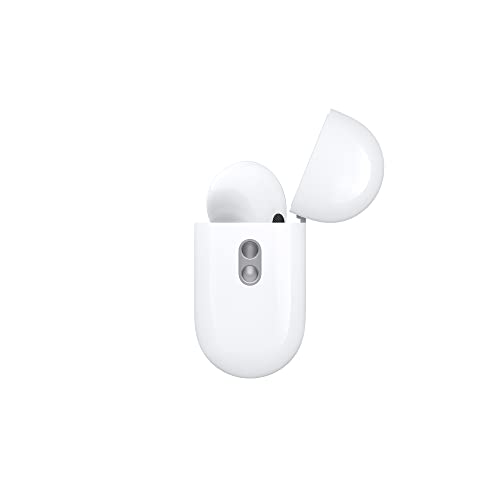


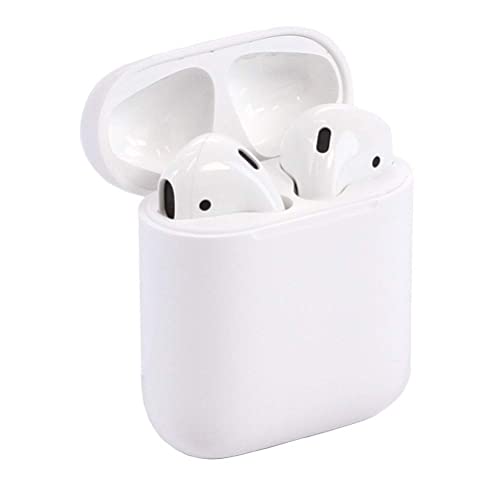


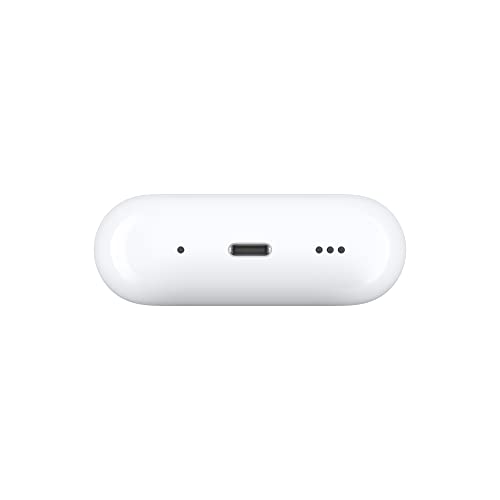
We also considered 10 others:


Our Top Choice
Compare Features


The order above is not editorial opinion, and it is not paid placement. It comes from what shoppers across our network actually do - which airpods pros they compare, and which they ultimately buy, together with the product traits and the commercial relationships that keep this site free. We re-rank as new data comes in, so the long-term favorites have to keep earning their spot against new entrants. The full method, including how we make money.
AirPods Pro Earbuds Buyer's Guide
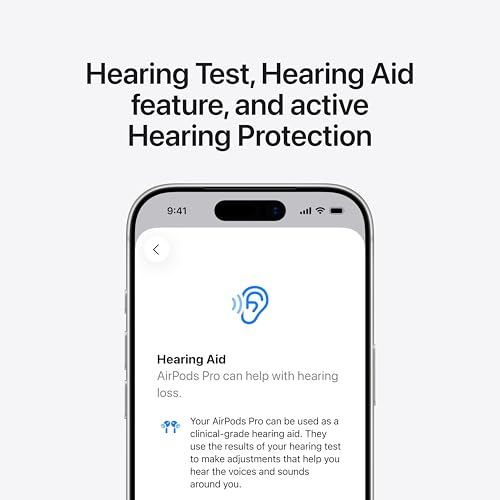
For this category, the biggest tradeoff is getting tight ecosystem integration, active noise control, and hearing-related features in a tiny sealed earbud whose batteries, microphones, and ear tips must all be in good condition. Careful shoppers should verify the exact generation, charging-case type, return policy, and ear-tip seal before treating a renewed or discounted pair as a safe buy.
Build
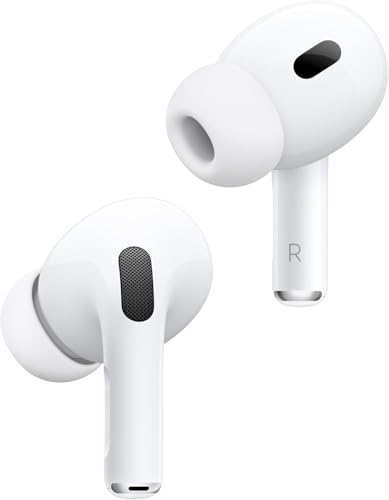
You want earbuds that can handle daily use without loose seams, rattles, cracked housings, failing cables, or charging-case issues. Look for solid materials, clean assembly, dependable hinges and connectors, and a fit-and-finish that stays intact over time; be cautious of owner reports about early defects, intermittent sound, battery contact problems, or fraying cables.
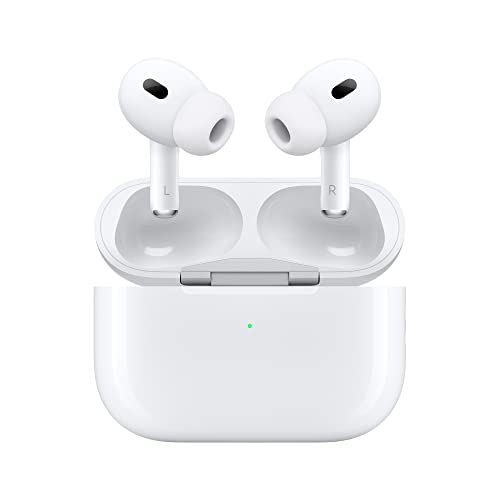
Prioritize authenticity, generation matching, and condition checks: the two earbuds and case should be the same compatible generation, pair normally, appear in device settings with expected serial/model behavior, support location tracking, and include clean vents, intact speaker meshes, undamaged stems, and the correct ear tips. Avoid units with mixed parts, missing accessories, dirty acoustic ports, damaged microphones, or unreliable setup, because these earbuds depend on tiny external mics and sensors for noise control, calls, transparency, and hearing-assistance features. Owner reports support this caution: many renewed pairs arrive looking and working close to new, pairing smoothly and/r
Sound
Sound quality determines how enjoyable and usable your earbuds are for music, podcasts, calls, and video, so listen for clear vocals, balanced detail, enough volume, and bass that feels full without overwhelming everything else. Watch out for earbuds that sound muddy, harsh at higher volumes, or overly bass-heavy, because poor performance can make long listening sessions tiring and hide important details in what you’re hearing.
For this niche, sound quality depends heavily on seal quality, healthy drivers, and clean microphones, so test both earbuds immediately with music, calls, spatial/head-tracking features if available, and left/right balance checks. Avoid any pair with one silent bud, crackling, weak bass, muffled highs, or uneven volume, because even a small driver or vent fault can make premium features feel broken. Owner sentiment is strong when the pair is right, with buyers praising clear, full audio, satisfying bass, crisp highs, and rich listening; however, renewed-condition feedback shows that faulty or silent earbuds can make sound performance inconsistent.
Battery
You want earbuds that last through your normal listening sessions without forcing you back to the case too often, so check both the per-charge runtime and the total battery life with the case. Pay attention to charging behavior, including fast-charge usefulness, wireless or wired case charging, and whether one earbud drains faster than the other. Also watch for big gaps between claimed and real-world battery life, especially if you use noise cancellation, transparency mode, high volume, or calls often.
Treat battery condition as one of the highest-risk checks, especially on renewed units, because the tiny sealed cells are not meaningfully user-replaceable and device settings may not give a simple battery-health percentage. During the return window, test each earbud independently, confirm the case charges by the connector type you need and by wireless charging if expected, check that both buds top up reliably in the case, and watch for rapid drain, one bud dying early, or intermittent charging contacts. Owners often praise daily battery life, quick recharging, and cases that last well, but feedback is mixed enough that charging consistency and long-term durability remain major watch-fors.
Noise
Noise cancellation matters because it affects how clearly you can hear your audio in places like transit, offices, gyms, or busy streets without turning the volume up. Look for earbuds that combine effective active noise cancellation with a secure seal, since fit and ear-tip choice can make as much difference as the electronics. Also consider whether you need adjustable modes or transparency features so you can block distractions when you want while still hearing your surroundings when needed.
Choose only if the active noise cancellation, transparency, and adaptive listening modes work correctly in both ears, because these are core reasons to buy this category rather than ordinary sealed earbuds. Check performance in steady noise such as fans, traffic rumble, or HVAC, and also verify transparency mode for safety while walking, commuting, or working around people; weak ANC, hiss, pressure imbalance, or a blocked microphone is a red flag. Owner feedback backs up the upside: noise cancellation is often described as a major strength that cuts background distractions and improves music, podcasts, and calls, though renewed-pair performance can vary by the unit received.
Value
Value matters because earbuds can vary widely in what you get for the money, from sound quality and comfort to battery life, durability, and useful features. Look for a pair that performs well in the areas you’ll use most, and watch out for cheap models that save money upfront but compromise on fit, reliability, or everyday usability.
Value depends less on the discount itself and more on whether you get the exact generation and feature set you need: confirm compatibility with your phone, software version, charging cable type, location-tracking features, hearing-assistance support if relevant, and included tips/case before buying. A return window matters because a low-cost renewed pair is only a good deal if the batteries, microphones, pairing, and accessories are all correct. Owners often feel the feature set, sound, battery life, and hearing-assistance use make the purchase worthwhile, and many renewed units look close to new, but sentiment turns sharply negative when accessories are missing or faults appear.
Fit
Fit matters because it determines how comfortable earbuds feel over long listening sessions, how well they seal for sound quality and noise isolation, and whether they stay in place when you move. Look for multiple ear tip sizes or stabilizing wings if you plan to use them for workouts, and watch out for designs that feel secure at first but create pressure, loosen as you talk or sweat, or fail to seal evenly in both ears.
Do not assume the default silicone tips will fit: these earbuds need a proper seal for bass, noise cancellation, transparency accuracy, and hearing-assistance performance, so run an ear-tip fit check if available and try multiple sizes, including extra-small or third-party tips if your ears are difficult to seal. For workouts or long wear, check for slipping when talking, chewing, walking, or sweating, and avoid a pair that feels bulky, painful, or unstable even if the sound is good. Owner feedback is divided in the same way: many find them comfortable and secure for daily use or exercise, while others report bulky feel, slippery handling, discomfort, or buds that fall out despite tip swaps.
1,000,000+ shoppers use Buyer's Guide every week to find the best products and services online.

Helping millions of users make smarter purchases online.


