














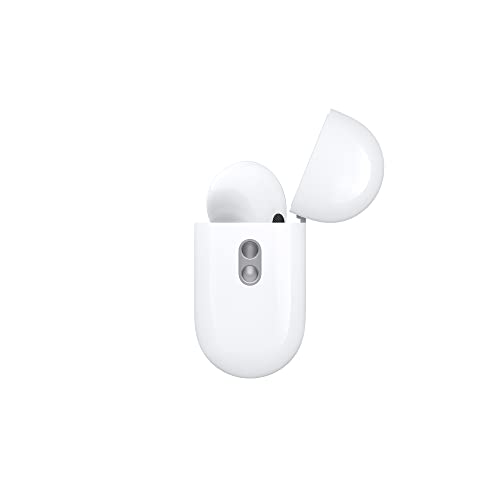
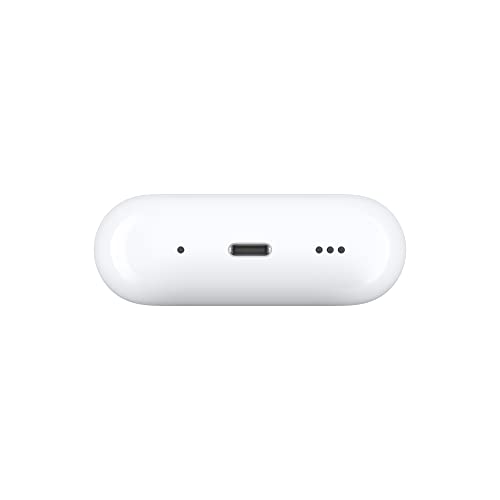
We also considered 10 others:


Our Top Choice
Compare Features


The order above is not editorial opinion, and it is not paid placement. It comes from what shoppers across our network actually do - which apple airpods pro earbuds they compare, and which they ultimately buy. We re-rank as new data comes in, so the long-term favorites have to keep earning their spot against new entrants. The full method, including how we make money.
Apple AirPods Pro Earbuds Buyer's Guide
This category is a tradeoff between ecosystem convenience, compact active noise cancellation, and the risks of tiny sealed batteries and fit-dependent performance. The sharpest checks are whether the individual pair has healthy batteries and microphones, and whether your ears can maintain the seal these earbuds need for bass, noise cancellation, and comfort.
Build
You want earbuds that can handle daily use without loose seams, rattling housings, fraying cables, unreliable charging contacts, or tips that stop fitting securely. Pay attention to the sturdiness of the shells, hinges or case, cable strain relief on wired pairs, water or sweat resistance for workouts, and owner reports of early failures, connection issues, or one earbud dying before the other.
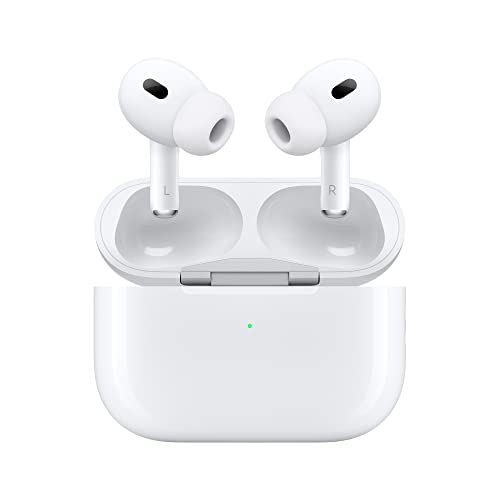
For this sealed, sensor-heavy earbud category, inspect the exact generation and charging-case type, the condition of the silicone tips and mesh vents, and whether location tracking, pairing, controls, microphones, and case speaker functions all work before you commit. Be especially cautious with renewed units: make sure they are fully removed from any prior owner account, arrive hygienically clean, and do not have one dead or silent earbud. Owner feedback supports the upside—many renewed pairs arrive clean, close to new, pair smoothly, and feel premium—but also shows that a faulty earbud can make performance inconsistent.
Sound
Sound quality matters because earbuds should make music, podcasts, and calls clear and balanced without forcing you to raise the volume. Look for enough bass to feel full without muddying vocals, clean detail at normal listening levels, and performance that stays consistent across different genres. Be wary of earbuds that sound overly boomy, harsh, or thin, since that can become tiring during longer listening sessions.
Prioritize a model and condition that can pass an ear-tip seal check, because bass, clarity, spatial effects, and call pickup all depend heavily on a proper in-ear seal and unobstructed microphones/vents. Test both earbuds separately for equal volume, rattling, distortion, and dropouts, since a renewed or worn unit can sound excellent in one ear and weak or silent in the other. Owners commonly praise rich, clear audio, satisfying bass, and strong call quality, but the recurring failure mode is uneven or faulty sound from an individual unit.
Noise
Noise control matters because it determines how clearly you can hear your music, calls, or podcasts in places like buses, offices, gyms, and busy streets. Look for earbuds with effective noise cancellation and a secure fit, since active noise cancellation works best when good physical isolation blocks sound first. Watch out for models that reduce steady low rumbles well but still let voices, wind, or sudden sounds cut through.
For this niche, noise control is not just a feature checkbox: verify that active noise cancellation, transparency mode, and any adaptive/conversation settings work distinctly and naturally, because they rely on external microphones that can be clogged, damaged, or degraded. Check performance against steady noise like fans, traffic, or engines, and avoid units where transparency sounds muffled, hissy, or imbalanced between ears. Owner sentiment strongly backs the benefit—buyers repeatedly describe the cancellation as powerful for travel, work, yard noise, traffic, workouts, and lowering listening volume—but the seal and mic condition are what make that praise apply to your pair.
Battery
Battery life matters because it determines whether your earbuds can get through your commute, workouts, calls, or travel without constant recharging. Look at both the earbuds’ per-charge runtime and the extra charges provided by the case, and watch for features that reduce runtime such as noise cancellation or high-quality audio modes. Consistent charging behavior also matters, so consider how quickly the case and earbuds recharge and whether the case supports the charging method you prefer.
Battery health is the biggest renewed-unit risk because the tiny sealed cells are not easily user-serviceable; check real earbud runtime, whether one side drains faster, whether the case loses charge while idle, and whether both wired and wireless charging behave reliably. A good return window matters more here than cosmetic condition, since early charging failures can erase the savings. Owners often report long daily use and quick recharging, but sentiment is mixed: battery life and case drain are also common watch-outs, especially on renewed pairs or units with charging-case issues.
Value
Value matters because the best earbuds for you are not just the cheapest pair, but the ones that justify their cost through sound quality, comfort, battery life, durability, and useful features. Look for a balance between the features you will actually use and the compromises you can live with, and be cautious of paying extra for flashy specs or design touches that do not improve your everyday listening experience.
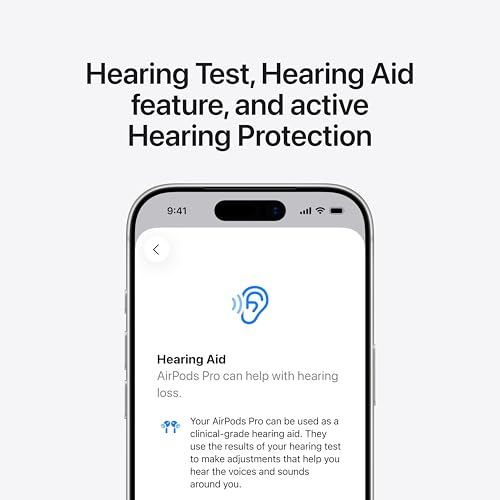
Value is strongest if you will actually use the niche features: seamless pairing with compatible devices, device switching, strong ANC/transparency, compact case tracking, call microphones, and hearing-assistance-style tools. If you only need basic Bluetooth audio, much of the value is wasted; if you need these ecosystem and accessibility features, a clean renewed pair can be compelling as long as battery health and account status check out. Owners often feel the feature set, sound, portability, and hearing-assistance usefulness justify the purchase, and renewed buyers frequently see strong value when the set arrives close to new.
Fit
Fit matters because earbuds that don’t sit comfortably or seal well can sound thin, feel irritating, or work loose while you move. Look for multiple ear tip sizes or stabilizing features if you need them, and watch for pressure points, slipping, or a seal that breaks when you talk, chew, or exercise.
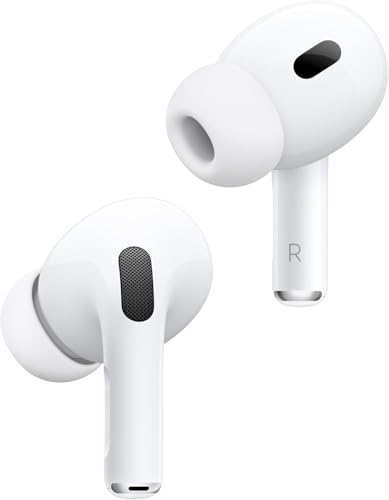
Fit should be treated as a functional requirement, not a comfort bonus, because these earbuds need a stable silicone-tip seal for bass, ANC, transparency, and microphone consistency. Check that multiple tip sizes are included, run a seal test if available, and consider whether the stemmed, no-wing design will stay put during chewing, running, sweating, or long calls; avoid keeping a pair that causes pressure pain or repeatedly loosens. Owner feedback is notably personal: many find them comfortable for hours and secure for workouts, while others report bulk, irritation, slipperiness, or buds falling out even after trying different tips.
1,000,000+ shoppers use Buyer's Guide every week to find the best products and services online.

Helping millions of users make smarter purchases online.


