


















We also considered 10 others:


Our Top Choice
Compare Features


The order above is not editorial opinion, and it is not paid placement. It comes from what shoppers across our network actually do - which apple airpods pro 2 they compare, and which they ultimately buy. We re-rank as new data comes in, so the long-term favorites have to keep earning their spot against new entrants. The full method, including how we make money.
Apple AirPods Pro 2 Earbuds Buyer's Guide
This category’s main tradeoff is that the best features only show up when the earbuds, case, software, and ear seal all work together. A careful shopper should focus less on generic Bluetooth specs and more on authenticity, exact case version, battery health, fit-seal quality, and whether the noise-control and hearing-assistance features are safe and appropriate for the intended use.
Build
You want earbuds that can handle daily use without loose seams, rattling housings, fraying cables, unreliable charging contacts, or tips that stop fitting securely. Pay attention to the sturdiness of the shells, hinges or case, cable strain relief on wired pairs, water or sweat resistance for workouts, and owner reports of early failures, connection issues, or one earbud dying before the other.
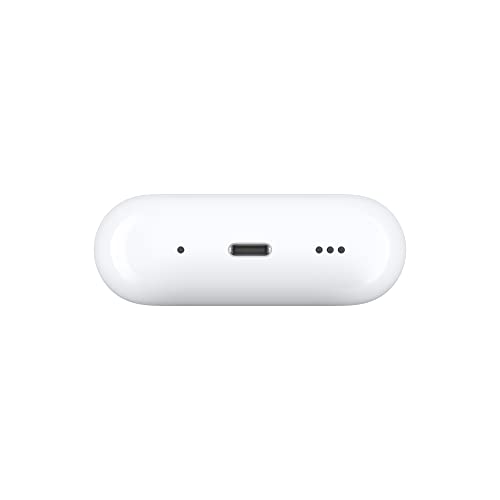
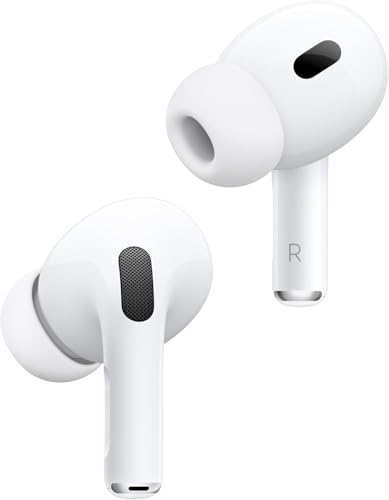
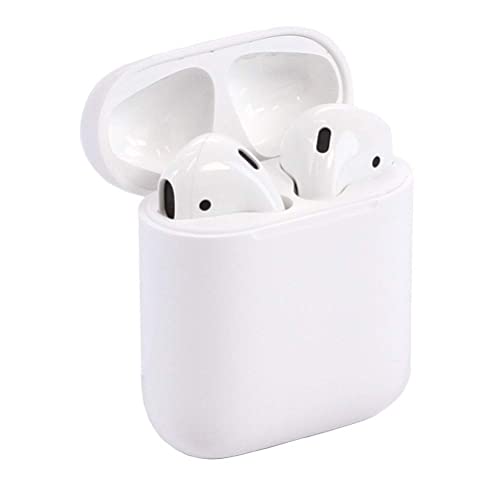
For this category, first verify you are getting the exact second-generation set and charging case you expect: connector type, case speaker, precise case-finding support, wireless charging support, matching left/right earbuds, clean replaceable tips, and full integration with the companion app. This is also a high-counterfeit and variable renewed-unit category, so do not rely on exterior appearance alone; test pairing animation, firmware visibility, case location features, stem controls, microphones, and both earbuds during the return window. Owner feedback supports the upside when the unit is right: many renewed pairs arrive clean, nearly new-looking, pair smoothly, retain tracking features, and feel premium, but some buyers report faulty or silent earbuds and inconsistent setup.
Sound
Sound quality matters because earbuds should make music, podcasts, and calls clear and balanced without forcing you to raise the volume. Look for enough bass to feel full without muddying vocals, clean detail at normal listening levels, and performance that stays consistent across different genres. Be wary of earbuds that sound overly boomy, harsh, or thin, since that can become tiring during longer listening sessions.
Buy primarily for the sound only if you can get a proper in-ear seal and will use the earbuds with a compatible device that unlocks the full tuning, spatial features, call processing, and hearing-assistance tools. Check for balanced left/right output, no crackling during bass or noise-control changes, clean microphone pickup, and stable audio switching; if you need wired-grade lossless or advanced non-ecosystem codec support, this is not the right format. Owner sentiment backs the strength here, with frequent praise for rich, clear audio, satisfying bass, clear highs, natural calls, and a listening experience that feels more capable than the earbud size suggests.
Value
Value matters because the best earbuds for you are not just the cheapest pair, but the ones that justify their cost through sound quality, comfort, battery life, durability, and useful features. Look for a balance between the features you will actually use and the compromises you can live with, and be cautious of paying extra for flashy specs or design touches that do not improve your everyday listening experience.
The value case is strongest when you will actually use the category-specific features: active noise control, transparency, device switching, precise finding, conversation and adaptive listening tools, compact daily carry, and hearing-assistance functions where appropriate. Be more cautious with renewed units: confirm return coverage, included ear tips, charging case condition, battery behavior, and every smart feature, because a weak battery or mismatched component can erase the savings quickly. Owner feedback generally supports the value when everything works, with many buyers saying the feature set feels justified, renewed pairs often look close to new, and the earbuds combine premium convenience with strong daily usefulness.
Battery
Battery life matters because it determines whether your earbuds can get through your commute, workouts, calls, or travel without constant recharging. Look at both the earbuds’ per-charge runtime and the extra charges provided by the case, and watch for features that reduce runtime such as noise cancellation or high-quality audio modes. Consistent charging behavior also matters, so consider how quickly the case and earbuds recharge and whether the case supports the charging method you prefer.
For these earbuds, battery life is not just about total hours; it depends heavily on noise cancellation, transparency, spatial audio, call use, hearing-assistance use, and whether the renewed cells have degraded unevenly. Test each earbud separately for faster drain, confirm the case holds charge overnight, check that both buds charge reliably when seated, and make sure your charging method matches the case connector and wireless charging standard. Owner sentiment is split in exactly this area: many report dependable battery life, stable connectivity, quick device switching, and days of use from the case, while others warn of fast-draining buds, charging-case drain, and short-term failures.
Noise
Noise control matters because it determines how clearly you can hear your music, calls, or podcasts in places like buses, offices, gyms, and busy streets. Look for earbuds with effective noise cancellation and a secure fit, since active noise cancellation works best when good physical isolation blocks sound first. Watch out for models that reduce steady low rumbles well but still let voices, wind, or sudden sounds cut through.
Choose this category for reducing steady real-world noise—commutes, engines, HVAC, gym sound, office chatter—but do not treat active noise cancellation or hearing-protection features as a substitute for certified protection in hazardous workplaces, concerts, firearms use, or other extreme impulse-noise settings. Also test transparency mode outdoors before relying on it around traffic, because amplified awareness can still miss directionality or sudden hazards. Owner feedback strongly supports noise control as a major advantage, with buyers praising standout cancellation, adaptive reduction of environmental distractions, more immersive music and podcasts, and clearer calls in noisy places.
Fit
Fit matters because earbuds that don’t sit comfortably or seal well can sound thin, feel irritating, or work loose while you move. Look for multiple ear tip sizes or stabilizing features if you need them, and watch for pressure points, slipping, or a seal that breaks when you talk, chew, or exercise.
Fit is the make-or-break dimension because the seal controls bass, noise cancellation, transparency quality, call isolation, and hearing-assistance performance. Make sure the box includes multiple tip sizes, run the fit test if available, try head movement and chewing, and consider third-party tips only if they still let the case close and the sensors work correctly; slippery stems or shallow ears can cause gradual loosening. Owner sentiment matches this variability: many people find them comfortable for hours, walking, and workouts, while others say the buds loosen, fall out, feel awkward to handle, or depend heavily on ear shape.
1,000,000+ shoppers use Buyer's Guide every week to find the best products and services online.

Helping millions of users make smarter purchases online.


