

The HP business laptop is well liked for fast everyday performance and strong overall value, especially for work, multitasking, and home use.
Durability is the biggest watch-for, with overheating, power, and early hardware-failure complaints making long-term reliability a concern.
Setup is straightforward, and the touchscreen and lightweight design help make it easy to start using right away.
The HP business laptop is well liked for fast everyday performance and strong overall value, especially for work, multitasking, and home use.
Durability is the biggest watch-for, with overheating, power, and early hardware-failure complaints making long-term reliability a concern.
Setup is straightforward, and the touchscreen and lightweight design help make it easy to start using right away.


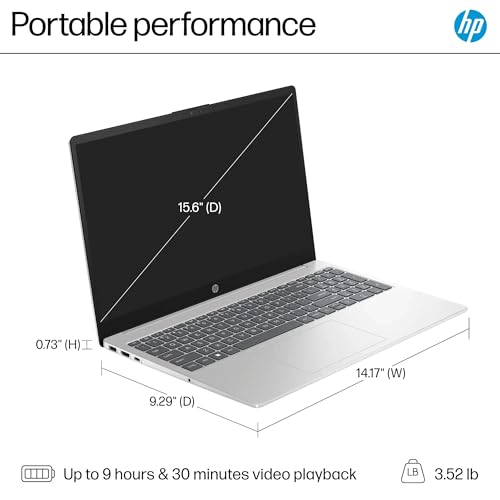
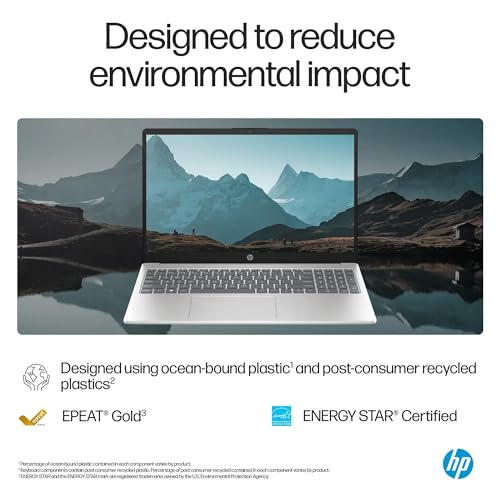
The HP business laptop is well liked for fast everyday performance and strong overall value, especially for work, multitasking, and home use.
Durability is the biggest watch-for, with overheating, power, and early hardware-failure complaints making long-term reliability a concern.
Setup is straightforward, and the touchscreen and lightweight design help make it easy to start using right away.
The Microsoft Surface Laptop 5 is often received as a fast, capable refurbished laptop for everyday school and heavier app use.
Overall cosmetic condition is inconsistent, with some units arriving in good shape while others show scratches, dents, or poor keyboard cleanliness.
Touch and input hardware problems are a serious watch-for, including failed touchscreen areas, a damaged touchpad, and keys that stick or stop responding.
The Microsoft Surface Laptop 5 is often received as a fast, capable refurbished laptop for everyday school and heavier app use.
Overall cosmetic condition is inconsistent, with some units arriving in good shape while others show scratches, dents, or poor keyboard cleanliness.
Touch and input hardware problems are a serious watch-for, including failed touchscreen areas, a damaged touchpad, and keys that stick or stop responding.


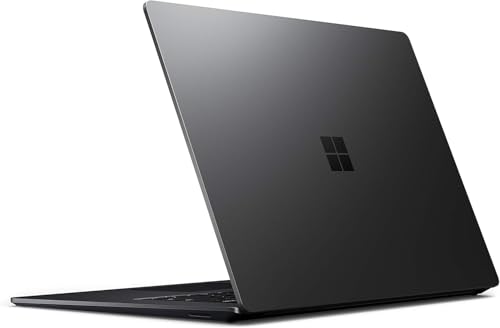
The Microsoft Surface Laptop 5 is often received as a fast, capable refurbished laptop for everyday school and heavier app use.
Overall cosmetic condition is inconsistent, with some units arriving in good shape while others show scratches, dents, or poor keyboard cleanliness.
Touch and input hardware problems are a serious watch-for, including failed touchscreen areas, a damaged touchpad, and keys that stick or stop responding.


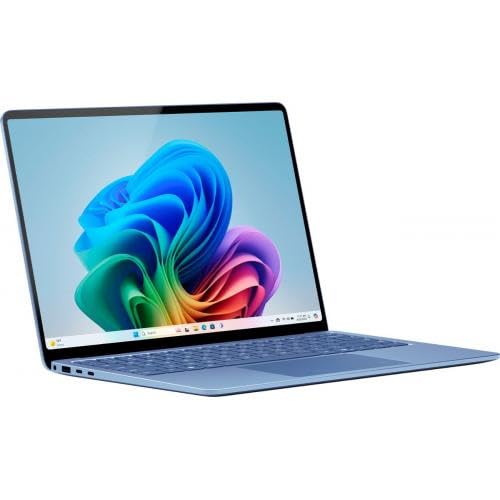

Performance feedback is more qualified, with the Snapdragon processor and 1TB storage called out as strengths even though this aspect is less uniformly positive than the battery and design praise.
Build and everyday usability are viewed positively, especially the smooth touchscreen and keyboard experience.
The Microsoft Surface Laptop stands out for long battery life that makes the loaded configuration feel especially practical.
Performance feedback is more qualified, with the Snapdragon processor and 1TB storage called out as strengths even though this aspect is less uniformly positive than the battery and design praise.
Build and everyday usability are viewed positively, especially the smooth touchscreen and keyboard experience.
The Microsoft Surface Laptop stands out for long battery life that makes the loaded configuration feel especially practical.
Performance feedback is more qualified, with the Snapdragon processor and 1TB storage called out as strengths even though this aspect is less uniformly positive than the battery and design praise.
Build and everyday usability are viewed positively, especially the smooth touchscreen and keyboard experience.
The Microsoft Surface Laptop stands out for long battery life that makes the loaded configuration feel especially practical.
The low price makes the machine feel like a strong deal, especially when it arrives looking and performing like a much newer device.
The Microsoft Surface Laptop Go feels like a high-quality renewed laptop, with buyers describing it as clean, sturdy, and close to brand new.
Everyday functionality is a clear strength, with the laptop working well for school, web use, apps, and even casual gaming without complaints.
The low price makes the machine feel like a strong deal, especially when it arrives looking and performing like a much newer device.
The Microsoft Surface Laptop Go feels like a high-quality renewed laptop, with buyers describing it as clean, sturdy, and close to brand new.
Everyday functionality is a clear strength, with the laptop working well for school, web use, apps, and even casual gaming without complaints.


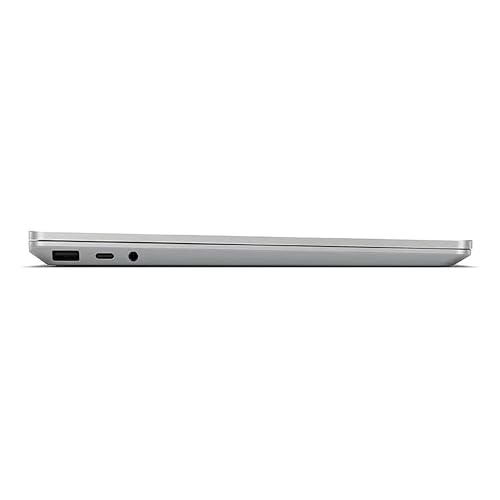

The low price makes the machine feel like a strong deal, especially when it arrives looking and performing like a much newer device.
The Microsoft Surface Laptop Go feels like a high-quality renewed laptop, with buyers describing it as clean, sturdy, and close to brand new.
Everyday functionality is a clear strength, with the laptop working well for school, web use, apps, and even casual gaming without complaints.


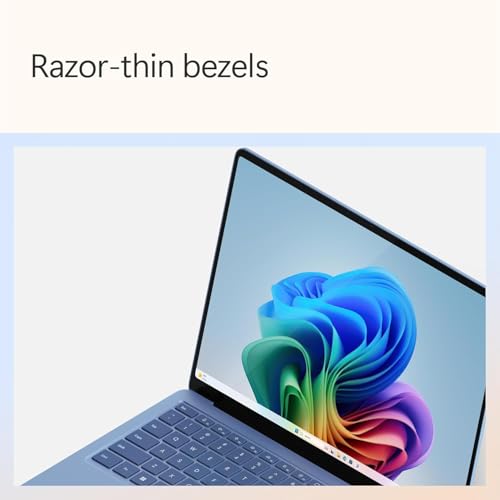

The Microsoft Surface Laptop feels fast and smooth for everyday work, with buyers highlighting no lag, easy multitasking, and solid performance for school or administrative tasks.
Compatibility is the main watch-out because the ARM-based platform can create issues with some software, drivers, or devices that buyers expect to work like a typical x86 Windows laptop.
Battery life is a major strength, often described as lasting through a work or school day without needing the charger.
The Microsoft Surface Laptop feels fast and smooth for everyday work, with buyers highlighting no lag, easy multitasking, and solid performance for school or administrative tasks.
Compatibility is the main watch-out because the ARM-based platform can create issues with some software, drivers, or devices that buyers expect to work like a typical x86 Windows laptop.
Battery life is a major strength, often described as lasting through a work or school day without needing the charger.
The Microsoft Surface Laptop feels fast and smooth for everyday work, with buyers highlighting no lag, easy multitasking, and solid performance for school or administrative tasks.
Compatibility is the main watch-out because the ARM-based platform can create issues with some software, drivers, or devices that buyers expect to work like a typical x86 Windows laptop.
Battery life is a major strength, often described as lasting through a work or school day without needing the charger.
The hardware quality also gets praise for feeling portable and capable, especially the speed, sound, and touchscreen display.
The Microsoft Surface Laptop 3 is often received as a clean, near-new machine with little visible wear and included accessories.
Keyboard reliability is more uneven, because some otherwise promising units have arrived with keys that stick or fail during setup.
The hardware quality also gets praise for feeling portable and capable, especially the speed, sound, and touchscreen display.
The Microsoft Surface Laptop 3 is often received as a clean, near-new machine with little visible wear and included accessories.
Keyboard reliability is more uneven, because some otherwise promising units have arrived with keys that stick or fail during setup.

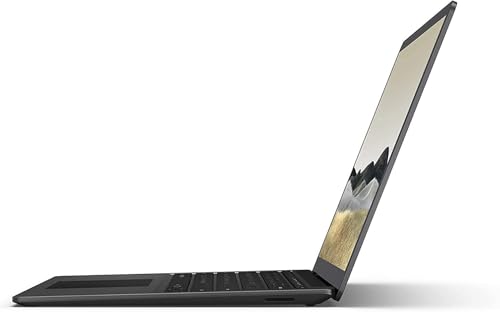



The hardware quality also gets praise for feeling portable and capable, especially the speed, sound, and touchscreen display.
The Microsoft Surface Laptop 3 is often received as a clean, near-new machine with little visible wear and included accessories.
Keyboard reliability is more uneven, because some otherwise promising units have arrived with keys that stick or fail during setup.


It appears practical for both home use and travel, at least in early ownership.
The Microsoft Surface laptop makes a very strong first impression for renewed buyers, arriving in condition that looks essentially brand new.
Setup feels smooth and trouble-free, with the machine ready to use right out of the box.
It appears practical for both home use and travel, at least in early ownership.
The Microsoft Surface laptop makes a very strong first impression for renewed buyers, arriving in condition that looks essentially brand new.
Setup feels smooth and trouble-free, with the machine ready to use right out of the box.
It appears practical for both home use and travel, at least in early ownership.
The Microsoft Surface laptop makes a very strong first impression for renewed buyers, arriving in condition that looks essentially brand new.
Setup feels smooth and trouble-free, with the machine ready to use right out of the box.
Performance is acceptable for browsing, email, streaming, and light tasks, but reliability and speed feel more uneven when setup issues, S Mode restrictions, or added software get in the way.
The HP Stream 14 is widely received as a budget-friendly laptop that delivers strong value for basic everyday needs.
Overall quality comes across well, with buyers describing it as a great laptop for students, home use, projects, and simple work tasks.
Performance is acceptable for browsing, email, streaming, and light tasks, but reliability and speed feel more uneven when setup issues, S Mode restrictions, or added software get in the way.
The HP Stream 14 is widely received as a budget-friendly laptop that delivers strong value for basic everyday needs.
Overall quality comes across well, with buyers describing it as a great laptop for students, home use, projects, and simple work tasks.


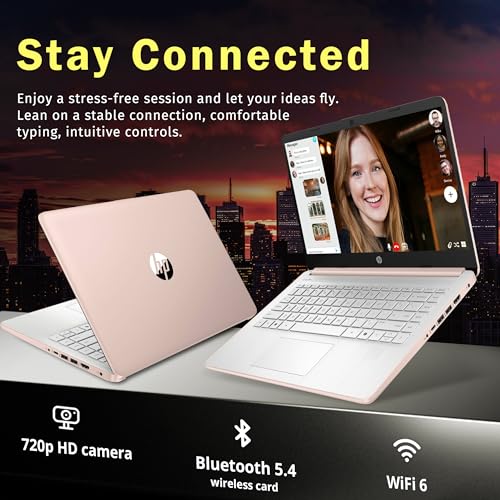

Performance is acceptable for browsing, email, streaming, and light tasks, but reliability and speed feel more uneven when setup issues, S Mode restrictions, or added software get in the way.
The HP Stream 14 is widely received as a budget-friendly laptop that delivers strong value for basic everyday needs.
Overall quality comes across well, with buyers describing it as a great laptop for students, home use, projects, and simple work tasks.
The low price makes the machine feel like a strong deal, especially when it arrives looking and performing like a much newer device.
The Microsoft Surface Laptop Go feels like a high-quality renewed laptop, with buyers describing it as clean, sturdy, and close to brand new.
Everyday functionality is a clear strength, with the laptop working well for school, web use, apps, and even casual gaming without complaints.
The low price makes the machine feel like a strong deal, especially when it arrives looking and performing like a much newer device.
The Microsoft Surface Laptop Go feels like a high-quality renewed laptop, with buyers describing it as clean, sturdy, and close to brand new.
Everyday functionality is a clear strength, with the laptop working well for school, web use, apps, and even casual gaming without complaints.


The low price makes the machine feel like a strong deal, especially when it arrives looking and performing like a much newer device.
The Microsoft Surface Laptop Go feels like a high-quality renewed laptop, with buyers describing it as clean, sturdy, and close to brand new.
Everyday functionality is a clear strength, with the laptop working well for school, web use, apps, and even casual gaming without complaints.


The Microsoft Surface Laptop is landing especially well as an everyday school and productivity machine, handling assignments, apps, browsing, and streaming smoothly.
Battery life is a split area overall: many are happy with how long it lasts in daily use, but the broader feedback includes some charging and battery reliability complaints.
The lightweight, compact build is a major plus for carrying around campus or work, while still coming across as sleek and durable.
The Microsoft Surface Laptop is landing especially well as an everyday school and productivity machine, handling assignments, apps, browsing, and streaming smoothly.
Battery life is a split area overall: many are happy with how long it lasts in daily use, but the broader feedback includes some charging and battery reliability complaints.
The lightweight, compact build is a major plus for carrying around campus or work, while still coming across as sleek and durable.
The Microsoft Surface Laptop is landing especially well as an everyday school and productivity machine, handling assignments, apps, browsing, and streaming smoothly.
Battery life is a split area overall: many are happy with how long it lasts in daily use, but the broader feedback includes some charging and battery reliability complaints.
The lightweight, compact build is a major plus for carrying around campus or work, while still coming across as sleek and durable.
We also considered 10 others:



Our Top Choice
The HP business laptop is well liked for fast everyday performance and strong overall value, especially for work, multitasking, and home use.
Durability is the biggest watch-for, with overheating, power, and early hardware-failure complaints making long-term reliability a concern.
Setup is straightforward, and the touchscreen and lightweight design help make it easy to start using right away.
The HP business laptop is well liked for fast everyday performance and strong overall value, especially for work, multitasking, and home use.
Durability is the biggest watch-for, with overheating, power, and early hardware-failure complaints making long-term reliability a concern.
Setup is straightforward, and the touchscreen and lightweight design help make it easy to start using right away.
The HP business laptop is well liked for fast everyday performance and strong overall value, especially for work, multitasking, and home use.
Durability is the biggest watch-for, with overheating, power, and early hardware-failure complaints making long-term reliability a concern.
Setup is straightforward, and the touchscreen and lightweight design help make it easy to start using right away.
Compare Features


The order above is not editorial opinion, and it is not paid placement. It comes from what shoppers across our network actually do - which microsoft laptops they compare, and which they ultimately buy. We re-rank as new data comes in, so the long-term favorites have to keep earning their spot against new entrants. The full method, including how we make money.
Microsoft Laptops Buyer's Guide
In this category, the core tradeoff is getting a familiar productivity laptop that is thin, simple, and affordable while avoiding sealed-design compromises that make memory, storage, battery, and charging problems harder to fix later. The sharpest checks are OS/license readiness, enough RAM and SSD storage for modern apps, real port/dock compatibility, and battery/charging health—especially on renewed or ultra-portable models.
Build
Build quality affects how long your laptop feels dependable, how well it holds up to daily carrying, and whether it feels solid every time you open the lid or type. Look for sturdy materials, tight seams, a firm hinge, minimal keyboard or chassis flex, and a clean finish on arrival; watch out for loose parts, uneven gaps, creaking panels, cosmetic damage, or anything that suggests poor durability or quality control.
Prioritize a chassis that matches your actual use: a rigid hinge, stable keyboard deck, good webcam/mic placement, enough ports without constant adapters, and a serviceable or at least well-documented battery/charger setup. For this niche, be careful with very thin or renewed units where RAM may be soldered, storage may be limited, ports may be sparse, and long-term repair options may be poor; inspect listings for exact condition, included charger, keyboard layout, touchscreen/pen support if needed, and visible wear or swelling. Owner feedback generally supports that many units feel clean, sturdy, close to new, and good-quality for everyday school, home, and office work, but it also flags overheating, power issues, and early hardware failures as the major durability risks.
Performance
Performance determines how quickly your laptop opens apps, switches between tasks, handles demanding work, and stays responsive in daily use. Look for enough processing power, memory, graphics capability, and storage for what you actually do, and pay attention to cooling and thermals because a powerful laptop that runs hot can slow down, get noisy, or feel uncomfortable over time.
Buy for the workload you will actually run: at least 16 GB of memory is safer for heavy browser tabs, video calls, spreadsheets, and multitasking, while 8 GB should be treated as light-use only; choose SSD storage rather than tiny flash storage, and verify the processor generation supports the current OS and security requirements. If you need creative software, coding tools, virtual machines, or heavier games, avoid entry-level configurations that are marketed as general-purpose but lack dedicated thermal headroom or upgrade paths. Owner sentiment is strongest around everyday speed—buyers often describe fast setup, smooth browsing, schoolwork, work-from-home tasks, video calls, and multitasking—but the praise is mostly for routine use rather than demanding professional workloads.
Battery
Battery life determines how confidently you can work, stream, or study away from an outlet, so look for runtime that matches your typical day rather than just the biggest advertised number. Watch for real-world factors that drain a laptop faster, such as a bright high-resolution screen, heavy apps, gaming, video calls, or lots of background tasks, and consider charging speed and charger size if you travel often.
Check battery claims against the exact configuration, screen size/resolution, processor class, and whether the unit is new or renewed; for a renewed laptop, look for stated battery health or return protection because runtime can vary widely. Also verify the charger type, wattage, cable fit, and USB-C charging support if you plan to dock or travel, since a loose connector or underpowered charger can turn a portable laptop into a desk-bound one. Owner feedback backs up both sides: many buyers report all-day work or school battery life, but others report quick drain, heat, loose charging connections, or trouble staying powered.
Value
Value matters because a laptop can look affordable up front but cost you more in compromises like weak performance, limited storage, poor battery life, or build quality that does not hold up. Look for the best balance of speed, screen quality, battery life, ports, and durability for how you actually work or study, and be wary of paying extra for features you will not use.
The best value in this niche is not just the lowest upfront cost; it is the configuration that avoids near-term replacement—current OS support, enough memory, SSD capacity, a usable webcam, reliable Wi-Fi, and ports for your monitor, charger, and peripherals. Be cautious of bargains with 4 GB memory, very small storage, older unsupported processors, locked-down app modes you do not want, missing accessories, or unclear renewed grading, because those savings can disappear in adapters, cloud-storage workarounds, or early replacement. Owner sentiment supports the value case for basic browsing, coursework, documents, streaming, and routine productivity, with many buyers feeling they received a strong everyday computer for the money.
Usability
A laptop should feel effortless from setup through daily use, with intuitive controls, reliable touch or trackpad response, and a keyboard you can type on comfortably for long stretches. Look for a layout and functionality that match how you work—whether that means touchscreen versatility, easy shortcuts, or simple settings—and watch out for cramped keys, inconsistent touch sensitivity, or features that add complexity without improving everyday use.
For usability, verify the details that affect daily friction: full-size keyboard feel, trackpad accuracy, touchscreen need, numeric keypad need, camera privacy options, biometric sign-in, display brightness, anti-glare coating, and whether the system arrives in the mode or edition you expect. If you use school or workplace accounts, confirm compatibility with required device management, security, VPN, printing, external monitors, and conferencing tools; also check whether app installation is restricted and whether switching modes is acceptable for you. Owner feedback aligns with this when the basics are right: buyers often describe setup as straightforward, daily use as intuitive, and normal tasks like browsing, documents, resumes, presentations, apps, and video calls as easy to handle.
Portability
Portability matters because you’ll feel the laptop’s weight and size every time you carry it, move between rooms, or fit it onto a small desk or tray table. Look for a balance between lightweight design and the screen size, ports, keyboard comfort, and battery capacity you need, since the thinnest laptops can sometimes trade away durability, connectivity, or cooling.
Choose portability by balancing weight against screen size, keyboard comfort, battery size, and port needs; the lightest model is not always best if it forces a cramped keyboard, dim display, weak battery, or a bag full of adapters. For campus, commuting, or meeting use, check actual weight with charger, USB-C charging flexibility, lid durability, hinge stiffness, and whether the screen size is comfortable for split-screen productivity. Owner sentiment strongly supports lightweight designs for carrying around campus, work, travel, or the house, though some buyers find size, responsiveness, or the overall feel less consistent than expected.
1,000,000+ shoppers use Buyer's Guide every week to find the best products and services online.

Helping millions of users make smarter purchases online.


