


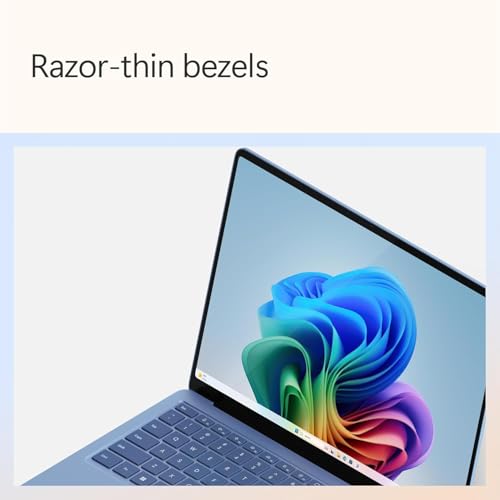


The Microsoft Surface Laptop feels fast and smooth for everyday work, with buyers highlighting no lag, easy multitasking, and solid performance for school or administrative tasks.
Compatibility is the main watch-out because the ARM-based platform can create issues with some software, drivers, or devices that buyers expect to work like a typical x86 Windows laptop.
Battery life is a major strength, often described as lasting through a work or school day without needing the charger.
The Microsoft Surface Laptop feels fast and smooth for everyday work, with buyers highlighting no lag, easy multitasking, and solid performance for school or administrative tasks.
Compatibility is the main watch-out because the ARM-based platform can create issues with some software, drivers, or devices that buyers expect to work like a typical x86 Windows laptop.
Battery life is a major strength, often described as lasting through a work or school day without needing the charger.
The Microsoft Surface Laptop feels fast and smooth for everyday work, with buyers highlighting no lag, easy multitasking, and solid performance for school or administrative tasks.
Compatibility is the main watch-out because the ARM-based platform can create issues with some software, drivers, or devices that buyers expect to work like a typical x86 Windows laptop.
Battery life is a major strength, often described as lasting through a work or school day without needing the charger.
The Microsoft Surface Laptop 4 is widely liked for everyday school, office, and family use, with smooth performance that buyers feel handles typical tasks well.
Condition is more variable: many units arrive clean, well packaged, and as described, but some buyers receive visibly scratched or poorer-quality laptops.
The Microsoft Surface Laptop 4 is widely liked for everyday school, office, and family use, with smooth performance that buyers feel handles typical tasks well.
Condition is more variable: many units arrive clean, well packaged, and as described, but some buyers receive visibly scratched or poorer-quality laptops.


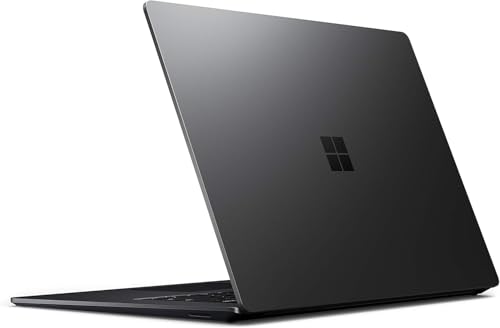
The Microsoft Surface Laptop 4 is widely liked for everyday school, office, and family use, with smooth performance that buyers feel handles typical tasks well.
Condition is more variable: many units arrive clean, well packaged, and as described, but some buyers receive visibly scratched or poorer-quality laptops.
The Microsoft Surface Laptop feels fast and smooth for everyday work, with buyers highlighting no lag, easy multitasking, and solid performance for school or administrative tasks.
Compatibility is the main watch-out because the ARM-based platform can create issues with some software, drivers, or devices that buyers expect to work like a typical x86 Windows laptop.
Battery life is a major strength, often described as lasting through a work or school day without needing the charger.
The Microsoft Surface Laptop feels fast and smooth for everyday work, with buyers highlighting no lag, easy multitasking, and solid performance for school or administrative tasks.
Compatibility is the main watch-out because the ARM-based platform can create issues with some software, drivers, or devices that buyers expect to work like a typical x86 Windows laptop.
Battery life is a major strength, often described as lasting through a work or school day without needing the charger.


The Microsoft Surface Laptop feels fast and smooth for everyday work, with buyers highlighting no lag, easy multitasking, and solid performance for school or administrative tasks.
Compatibility is the main watch-out because the ARM-based platform can create issues with some software, drivers, or devices that buyers expect to work like a typical x86 Windows laptop.
Battery life is a major strength, often described as lasting through a work or school day without needing the charger.
The HP business laptop is well liked for fast everyday performance and strong overall value, especially for work, multitasking, and home use.
Durability is the biggest watch-for, with overheating, power, and early hardware-failure complaints making long-term reliability a concern.
Setup is straightforward, and the touchscreen and lightweight design help make it easy to start using right away.
The HP business laptop is well liked for fast everyday performance and strong overall value, especially for work, multitasking, and home use.
Durability is the biggest watch-for, with overheating, power, and early hardware-failure complaints making long-term reliability a concern.
Setup is straightforward, and the touchscreen and lightweight design help make it easy to start using right away.


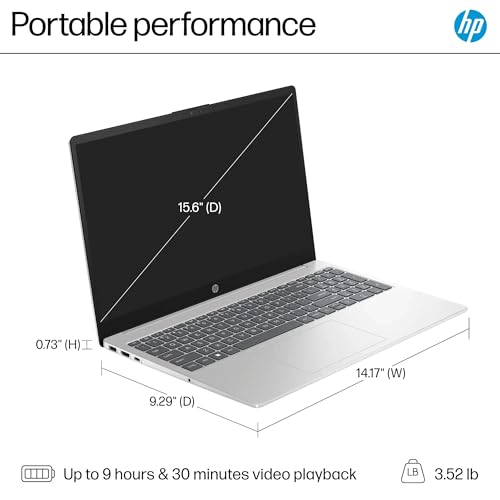
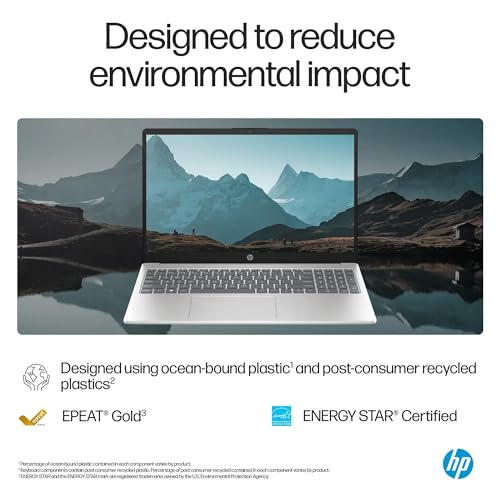
The HP business laptop is well liked for fast everyday performance and strong overall value, especially for work, multitasking, and home use.
Durability is the biggest watch-for, with overheating, power, and early hardware-failure complaints making long-term reliability a concern.
Setup is straightforward, and the touchscreen and lightweight design help make it easy to start using right away.


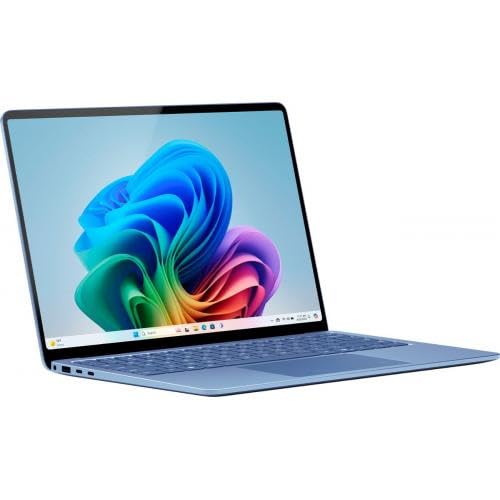

Performance feedback is more qualified, with the Snapdragon processor and 1TB storage called out as strengths even though this aspect is less uniformly positive than the battery and design praise.
Build and everyday usability are viewed positively, especially the smooth touchscreen and keyboard experience.
The Microsoft Surface Laptop stands out for long battery life that makes the loaded configuration feel especially practical.
Performance feedback is more qualified, with the Snapdragon processor and 1TB storage called out as strengths even though this aspect is less uniformly positive than the battery and design praise.
Build and everyday usability are viewed positively, especially the smooth touchscreen and keyboard experience.
The Microsoft Surface Laptop stands out for long battery life that makes the loaded configuration feel especially practical.
Performance feedback is more qualified, with the Snapdragon processor and 1TB storage called out as strengths even though this aspect is less uniformly positive than the battery and design praise.
Build and everyday usability are viewed positively, especially the smooth touchscreen and keyboard experience.
The Microsoft Surface Laptop stands out for long battery life that makes the loaded configuration feel especially practical.
The Microsoft Surface Laptop 5 is often received as a fast, capable refurbished laptop for everyday school and heavier app use.
Overall cosmetic condition is inconsistent, with some units arriving in good shape while others show scratches, dents, or poor keyboard cleanliness.
Touch and input hardware problems are a serious watch-for, including failed touchscreen areas, a damaged touchpad, and keys that stick or stop responding.
The Microsoft Surface Laptop 5 is often received as a fast, capable refurbished laptop for everyday school and heavier app use.
Overall cosmetic condition is inconsistent, with some units arriving in good shape while others show scratches, dents, or poor keyboard cleanliness.
Touch and input hardware problems are a serious watch-for, including failed touchscreen areas, a damaged touchpad, and keys that stick or stop responding.

The Microsoft Surface Laptop 5 is often received as a fast, capable refurbished laptop for everyday school and heavier app use.
Overall cosmetic condition is inconsistent, with some units arriving in good shape while others show scratches, dents, or poor keyboard cleanliness.
Touch and input hardware problems are a serious watch-for, including failed touchscreen areas, a damaged touchpad, and keys that stick or stop responding.


The Microsoft Surface Laptop feels fast and smooth for everyday work, with buyers highlighting no lag, easy multitasking, and solid performance for school or administrative tasks.
Compatibility is the main watch-out because the ARM-based platform can create issues with some software, drivers, or devices that buyers expect to work like a typical x86 Windows laptop.
Battery life is a major strength, often described as lasting through a work or school day without needing the charger.
The Microsoft Surface Laptop feels fast and smooth for everyday work, with buyers highlighting no lag, easy multitasking, and solid performance for school or administrative tasks.
Compatibility is the main watch-out because the ARM-based platform can create issues with some software, drivers, or devices that buyers expect to work like a typical x86 Windows laptop.
Battery life is a major strength, often described as lasting through a work or school day without needing the charger.
The Microsoft Surface Laptop feels fast and smooth for everyday work, with buyers highlighting no lag, easy multitasking, and solid performance for school or administrative tasks.
Compatibility is the main watch-out because the ARM-based platform can create issues with some software, drivers, or devices that buyers expect to work like a typical x86 Windows laptop.
Battery life is a major strength, often described as lasting through a work or school day without needing the charger.


The Microsoft Surface Laptop 4 comes across as powerful and dependable for work, remote use, and being on the go.
The sleek, lightweight design is well liked, especially by people who want something portable for work and travel.
Battery life is more mixed overall, though some buyers still come away impressed with how long it lasts.
The Microsoft Surface Laptop 4 comes across as powerful and dependable for work, remote use, and being on the go.
The sleek, lightweight design is well liked, especially by people who want something portable for work and travel.
Battery life is more mixed overall, though some buyers still come away impressed with how long it lasts.
The Microsoft Surface Laptop 4 comes across as powerful and dependable for work, remote use, and being on the go.
The sleek, lightweight design is well liked, especially by people who want something portable for work and travel.
Battery life is more mixed overall, though some buyers still come away impressed with how long it lasts.
The hardware quality also gets praise for feeling portable and capable, especially the speed, sound, and touchscreen display.
The Microsoft Surface Laptop 3 is often received as a clean, near-new machine with little visible wear and included accessories.
Keyboard reliability is more uneven, because some otherwise promising units have arrived with keys that stick or fail during setup.
The hardware quality also gets praise for feeling portable and capable, especially the speed, sound, and touchscreen display.
The Microsoft Surface Laptop 3 is often received as a clean, near-new machine with little visible wear and included accessories.
Keyboard reliability is more uneven, because some otherwise promising units have arrived with keys that stick or fail during setup.

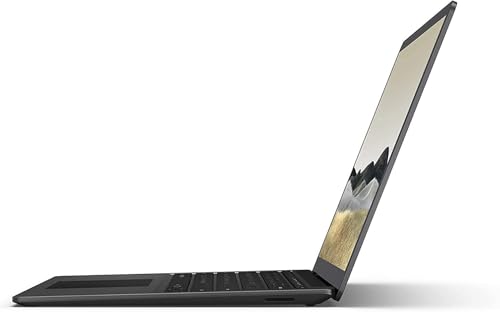



The hardware quality also gets praise for feeling portable and capable, especially the speed, sound, and touchscreen display.
The Microsoft Surface Laptop 3 is often received as a clean, near-new machine with little visible wear and included accessories.
Keyboard reliability is more uneven, because some otherwise promising units have arrived with keys that stick or fail during setup.
The Microsoft Surface Pro feels like a premium, portable 2-in-1, with a sleek finish, sturdy kickstand, responsive touchscreen, and a form factor that is easy to carry and use in different settings.
Compatibility and reliability are more mixed, especially around the ARM-based Snapdragon platform and certain accessories, even though some owners have no issues with their own apps and peripherals.
Battery life is viewed as a clear upgrade over many other PCs and Windows tablets, making the device more practical as an all-day travel or work companion.
The Microsoft Surface Pro feels like a premium, portable 2-in-1, with a sleek finish, sturdy kickstand, responsive touchscreen, and a form factor that is easy to carry and use in different settings.
Compatibility and reliability are more mixed, especially around the ARM-based Snapdragon platform and certain accessories, even though some owners have no issues with their own apps and peripherals.
Battery life is viewed as a clear upgrade over many other PCs and Windows tablets, making the device more practical as an all-day travel or work companion.


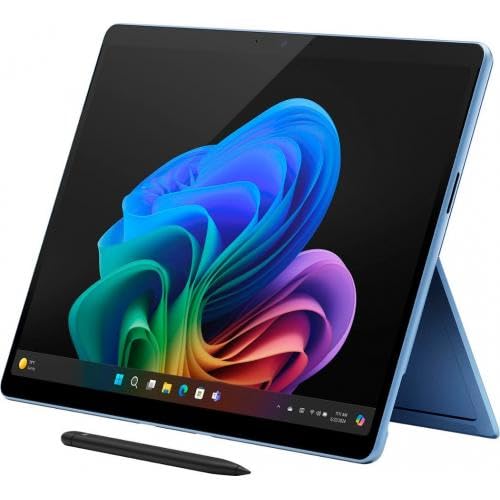

The Microsoft Surface Pro feels like a premium, portable 2-in-1, with a sleek finish, sturdy kickstand, responsive touchscreen, and a form factor that is easy to carry and use in different settings.
Compatibility and reliability are more mixed, especially around the ARM-based Snapdragon platform and certain accessories, even though some owners have no issues with their own apps and peripherals.
Battery life is viewed as a clear upgrade over many other PCs and Windows tablets, making the device more practical as an all-day travel or work companion.
We also considered 10 others:


Our Top Choice
The Microsoft Surface Laptop feels fast and smooth for everyday work, with buyers highlighting no lag, easy multitasking, and solid performance for school or administrative tasks.
Compatibility is the main watch-out because the ARM-based platform can create issues with some software, drivers, or devices that buyers expect to work like a typical x86 Windows laptop.
Battery life is a major strength, often described as lasting through a work or school day without needing the charger.
The Microsoft Surface Laptop feels fast and smooth for everyday work, with buyers highlighting no lag, easy multitasking, and solid performance for school or administrative tasks.
Compatibility is the main watch-out because the ARM-based platform can create issues with some software, drivers, or devices that buyers expect to work like a typical x86 Windows laptop.
Battery life is a major strength, often described as lasting through a work or school day without needing the charger.
The Microsoft Surface Laptop feels fast and smooth for everyday work, with buyers highlighting no lag, easy multitasking, and solid performance for school or administrative tasks.
Compatibility is the main watch-out because the ARM-based platform can create issues with some software, drivers, or devices that buyers expect to work like a typical x86 Windows laptop.
Battery life is a major strength, often described as lasting through a work or school day without needing the charger.
Compare Features


The order above is not editorial opinion, and it is not paid placement. It comes from what shoppers across our network actually do - which microsoft surface laptops they compare, and which they ultimately buy. We re-rank as new data comes in, so the long-term favorites have to keep earning their spot against new entrants. The full method, including how we make money.
Microsoft Surface Laptops Buyer's Guide
In this category, the key tradeoff is getting a very slim, premium touchscreen Windows machine without accepting tablet-like compromises in ports, repairability, thermals, or app compatibility. The sharpest checks are whether the exact processor platform supports your software and peripherals, and whether a used or renewed unit has healthy battery, charging, screen, keyboard, and hinge/kickstand hardware.
Build
Build quality affects how long your laptop feels dependable, how well it holds up to daily carrying, and whether it feels solid every time you open the lid or type. Look for sturdy materials, tight seams, a firm hinge, minimal keyboard or chassis flex, and a clean finish on arrival; watch out for loose parts, uneven gaps, creaking panels, cosmetic damage, or anything that suggests poor durability or quality control.
Prioritize the exact chassis style you will actually use: clamshell models are better for lap typing, while detachable or kickstand designs are better for pen, tablet, and presentation use but need extra scrutiny for kickstand stiffness, keyboard-cover connection, screen wobble, and cracked glass. Because many units in this niche are sealed, thin, and hard to repair, avoid examples with overheating history, warped frames, swollen-looking screens, loose charging ports, touchscreen dead zones, pressure marks, or visible liquid/corner damage; for renewed units, confirm the charger and accessories are included and that cosmetic grading matches the listing. Owner feedback supports this split: many buyers like the sleek, lightweight, premium feel, sturdy stands, responsive touchscreens, clean renewed condition, and travel-friendly size, but durability complaints, overheating, power issues, early hardware failures, and inconsistent cosmetic condition are recurring watch-fors.
Battery
Battery life determines how confidently you can work, stream, or study away from an outlet, so look for runtime that matches your typical day rather than just the biggest advertised number. Watch for real-world factors that drain a laptop faster, such as a bright high-resolution screen, heavy apps, gaming, video calls, or lots of background tasks, and consider charging speed and charger size if you travel often.
Do not rely only on advertised runtime; check battery health, cycle count if available, charger behavior, and whether the machine can last through your real mix of video calls, note-taking, browser tabs, and screen brightness. In this category, battery replacement can be difficult or uneconomical, so be cautious with used units that drain quickly, heat while charging, fail to charge from the intended port, or show any sign of swelling. Owner sentiment is encouraging but not uniform: many users report all-day work or school use and see battery life as a major advantage over many Windows PCs or tablets, while others describe mixed endurance, charging complaints, and reliability concerns under heavier use.
Performance
Performance determines how quickly your laptop opens apps, switches between tasks, handles demanding work, and stays responsive in daily use. Look for enough processing power, memory, graphics capability, and storage for what you actually do, and pay attention to cooling and thermals because a powerful laptop that runs hot can slow down, get noisy, or feel uncomfortable over time.
Choose the configuration around the exact Windows workload: everyday office work, web apps, school platforms, video meetings, and note-taking are usually fine, but heavier creative work, large spreadsheets, local development, virtualization, gaming, or multiple external displays require more RAM, a stronger processor, and enough SSD space from the start because upgrades may be limited or impossible. Also check whether the processor is standard x86 or ARM-based, since that affects app compatibility as much as speed; fanless or ultra-thin versions may feel fast at first but slow down under sustained heat. Owner feedback generally backs these machines for daily use, with buyers describing smooth Windows performance, fast multitasking, responsive SSD-equipped configurations, and capable handling of web, documents, design-light tasks, school, remote work, and administrative use.
Value
Value matters because a laptop can look affordable up front but cost you more in compromises like weak performance, limited storage, poor battery life, or build quality that does not hold up. Look for the best balance of speed, screen quality, battery life, ports, and durability for how you actually work or study, and be wary of paying extra for features you will not use.
Value in this niche depends less on the headline discount and more on configuration, condition, and included accessories: verify RAM, storage, processor type, keyboard, pen, charger, warranty, return window, and battery health before deciding a unit is a deal. Avoid paying for a polished exterior if the machine has too little memory, non-upgradeable storage, missing accessories, weak battery, or compatibility limits that would force an early replacement. Owner sentiment supports good value when the package is complete and the workload is realistic: buyers often feel satisfied when a unit arrives looking newer than expected, runs quickly, stays lightweight, offers strong battery life, and serves routine productivity rather than heavy gaming or graphics work.
Portability
Portability matters because you’ll feel the laptop’s weight and size every time you carry it, move between rooms, or fit it onto a small desk or tray table. Look for a balance between lightweight design and the screen size, ports, keyboard comfort, and battery capacity you need, since the thinnest laptops can sometimes trade away durability, connectivity, or cooling.
Match portability to how you carry and use it: a compact touchscreen is excellent for bags, classrooms, travel, and meetings, but check whether the screen size is large enough for your work, whether the keyboard is comfortable for long sessions, and whether the device is stable on your lap if it uses a kickstand. Also account for dongles, charger size, external-display needs, and protective case weight, because limited ports can make an otherwise light device less convenient on the road. Owner feedback reinforces portability as a major advantage, with buyers praising the lightweight, compact, sleek design for campus, work, daily carry, and travel, though some report that size, responsiveness, or overall feel does not always match expectations.
Reliability
Reliability matters because you need a laptop that stays stable through daily work, travel, updates, and years of use without frequent crashes, defects, or unexpected failures. Look for consistent owner feedback about long-term dependability, solid build quality, effective cooling, and responsive warranty support, and be wary of repeated complaints about random shutdowns, hardware failures, or fragile components.
The biggest reliability check is platform compatibility: if the unit uses an ARM-based processor, confirm your required apps, VPN, printer/scanner drivers, docking station, security tools, browser extensions, external monitors, and specialty software work before the return window closes. Even on standard x86 models, test charging, sleep/wake, webcam and microphone, touchscreen, pen input, keyboard, trackpad, Wi‑Fi, Bluetooth, thermals, and firmware updates immediately, because thin sealed designs are harder to repair after problems appear. Owner sentiment specifically flags compatibility as the main watch-out on ARM-based configurations, with mixed reports around software, drivers, and accessories; some owners have no issues, but others encounter the kind of peripheral or app problems that make the device feel less like a typical Windows laptop.
1,000,000+ shoppers use Buyer's Guide every week to find the best products and services online.

Helping millions of users make smarter purchases online.


