

The Microsoft Surface Pro feels like a premium, portable 2-in-1, with a sleek finish, sturdy kickstand, responsive touchscreen, and a form factor that is easy to carry and use in different settings.
Compatibility and reliability are more mixed, especially around the ARM-based Snapdragon platform and certain accessories, even though some owners have no issues with their own apps and peripherals.
Battery life is viewed as a clear upgrade over many other PCs and Windows tablets, making the device more practical as an all-day travel or work companion.
The Microsoft Surface Pro feels like a premium, portable 2-in-1, with a sleek finish, sturdy kickstand, responsive touchscreen, and a form factor that is easy to carry and use in different settings.
Compatibility and reliability are more mixed, especially around the ARM-based Snapdragon platform and certain accessories, even though some owners have no issues with their own apps and peripherals.
Battery life is viewed as a clear upgrade over many other PCs and Windows tablets, making the device more practical as an all-day travel or work companion.


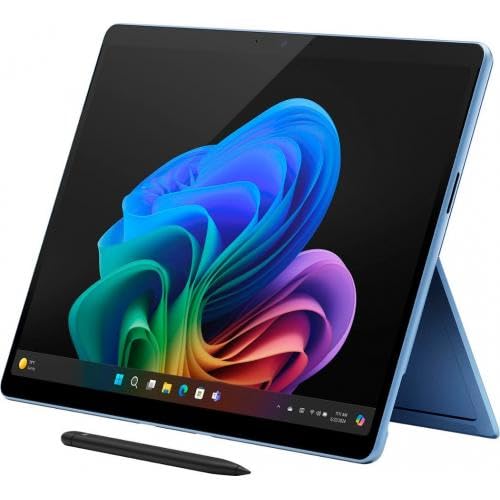

The Microsoft Surface Pro feels like a premium, portable 2-in-1, with a sleek finish, sturdy kickstand, responsive touchscreen, and a form factor that is easy to carry and use in different settings.
Compatibility and reliability are more mixed, especially around the ARM-based Snapdragon platform and certain accessories, even though some owners have no issues with their own apps and peripherals.
Battery life is viewed as a clear upgrade over many other PCs and Windows tablets, making the device more practical as an all-day travel or work companion.
Everyday performance is a major strength, with smooth Windows 11 use and fast, capable handling for web, documents, design work, and general laptop-tablet tasks.
When bought at a good price, the 2-in-1 is seen as a strong value because it can replace both a laptop and tablet for many buyers.
Battery life is viewed as a clear upgrade over many other PCs and Windows tablets, making the device more practical as an all-day travel or work companion.
Everyday performance is a major strength, with smooth Windows 11 use and fast, capable handling for web, documents, design work, and general laptop-tablet tasks.
When bought at a good price, the 2-in-1 is seen as a strong value because it can replace both a laptop and tablet for many buyers.
Battery life is viewed as a clear upgrade over many other PCs and Windows tablets, making the device more practical as an all-day travel or work companion.


Everyday performance is a major strength, with smooth Windows 11 use and fast, capable handling for web, documents, design work, and general laptop-tablet tasks.
When bought at a good price, the 2-in-1 is seen as a strong value because it can replace both a laptop and tablet for many buyers.
Battery life is viewed as a clear upgrade over many other PCs and Windows tablets, making the device more practical as an all-day travel or work companion.


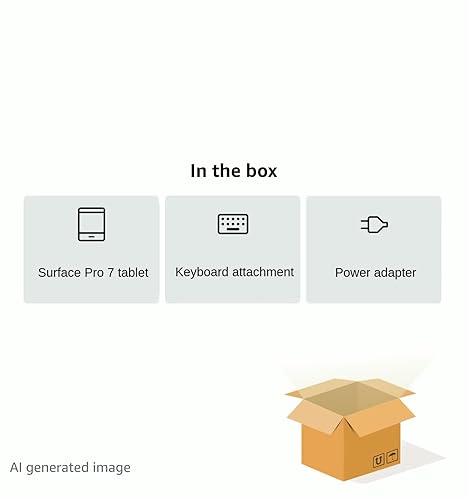
The Microsoft Surface Pro 7 is often received in excellent refurbished condition, with buyers describing it as clean, good-looking, and working as expected.
Battery life is a common weak spot and may feel merely adequate rather than strong for longer unplugged sessions.
The Microsoft Surface Pro 7 is often received in excellent refurbished condition, with buyers describing it as clean, good-looking, and working as expected.
Battery life is a common weak spot and may feel merely adequate rather than strong for longer unplugged sessions.
The Microsoft Surface Pro 7 is often received in excellent refurbished condition, with buyers describing it as clean, good-looking, and working as expected.
Battery life is a common weak spot and may feel merely adequate rather than strong for longer unplugged sessions.


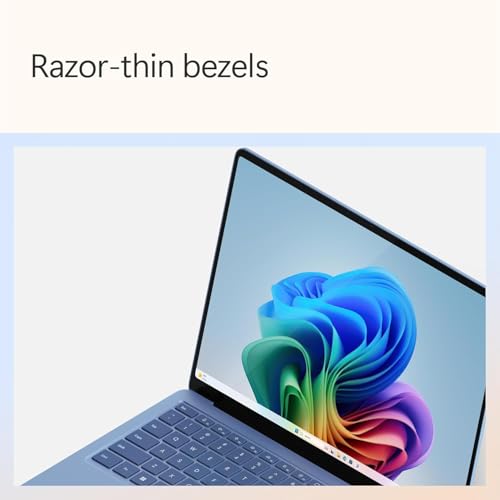

The Microsoft Surface Laptop feels fast and smooth for everyday work, with buyers highlighting no lag, easy multitasking, and solid performance for school or administrative tasks.
Compatibility is the main watch-out because the ARM-based platform can create issues with some software, drivers, or devices that buyers expect to work like a typical x86 Windows laptop.
Battery life is a major strength, often described as lasting through a work or school day without needing the charger.
The Microsoft Surface Laptop feels fast and smooth for everyday work, with buyers highlighting no lag, easy multitasking, and solid performance for school or administrative tasks.
Compatibility is the main watch-out because the ARM-based platform can create issues with some software, drivers, or devices that buyers expect to work like a typical x86 Windows laptop.
Battery life is a major strength, often described as lasting through a work or school day without needing the charger.
The Microsoft Surface Laptop feels fast and smooth for everyday work, with buyers highlighting no lag, easy multitasking, and solid performance for school or administrative tasks.
Compatibility is the main watch-out because the ARM-based platform can create issues with some software, drivers, or devices that buyers expect to work like a typical x86 Windows laptop.
Battery life is a major strength, often described as lasting through a work or school day without needing the charger.

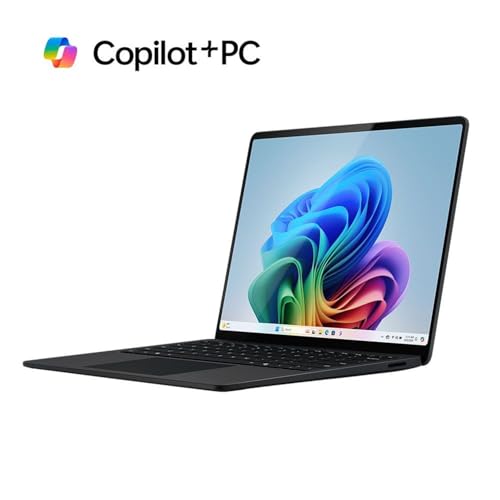


The Microsoft Surface Laptop is widely liked as a powerful, premium-feeling machine that feels productive and capable for everyday laptop work.
Value depends on expectations, since some buyers feel they got exactly what they wanted while others caution that details like refurbished status or ARM limitations need careful reading before purchase.
Battery life, build quality, and the 15-inch touchscreen display are recurring highlights, especially for buyers who want a Windows laptop with a MacBook-like polish.
The Microsoft Surface Laptop is widely liked as a powerful, premium-feeling machine that feels productive and capable for everyday laptop work.
Value depends on expectations, since some buyers feel they got exactly what they wanted while others caution that details like refurbished status or ARM limitations need careful reading before purchase.
Battery life, build quality, and the 15-inch touchscreen display are recurring highlights, especially for buyers who want a Windows laptop with a MacBook-like polish.
The Microsoft Surface Laptop is widely liked as a powerful, premium-feeling machine that feels productive and capable for everyday laptop work.
Value depends on expectations, since some buyers feel they got exactly what they wanted while others caution that details like refurbished status or ARM limitations need careful reading before purchase.
Battery life, build quality, and the 15-inch touchscreen display are recurring highlights, especially for buyers who want a Windows laptop with a MacBook-like polish.
The Microsoft Surface Laptop 5 is often received as a fast, capable refurbished laptop for everyday school and heavier app use.
Overall cosmetic condition is inconsistent, with some units arriving in good shape while others show scratches, dents, or poor keyboard cleanliness.
Touch and input hardware problems are a serious watch-for, including failed touchscreen areas, a damaged touchpad, and keys that stick or stop responding.
The Microsoft Surface Laptop 5 is often received as a fast, capable refurbished laptop for everyday school and heavier app use.
Overall cosmetic condition is inconsistent, with some units arriving in good shape while others show scratches, dents, or poor keyboard cleanliness.
Touch and input hardware problems are a serious watch-for, including failed touchscreen areas, a damaged touchpad, and keys that stick or stop responding.


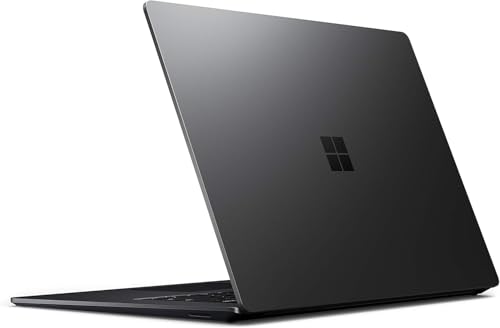
The Microsoft Surface Laptop 5 is often received as a fast, capable refurbished laptop for everyday school and heavier app use.
Overall cosmetic condition is inconsistent, with some units arriving in good shape while others show scratches, dents, or poor keyboard cleanliness.
Touch and input hardware problems are a serious watch-for, including failed touchscreen areas, a damaged touchpad, and keys that stick or stop responding.
The hardware quality also gets praise for feeling portable and capable, especially the speed, sound, and touchscreen display.
The Microsoft Surface Laptop 3 is often received as a clean, near-new machine with little visible wear and included accessories.
Keyboard reliability is more uneven, because some otherwise promising units have arrived with keys that stick or fail during setup.
The hardware quality also gets praise for feeling portable and capable, especially the speed, sound, and touchscreen display.
The Microsoft Surface Laptop 3 is often received as a clean, near-new machine with little visible wear and included accessories.
Keyboard reliability is more uneven, because some otherwise promising units have arrived with keys that stick or fail during setup.

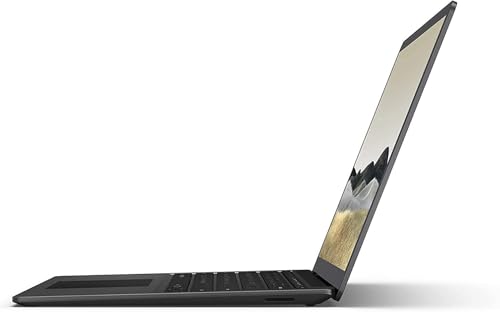



The hardware quality also gets praise for feeling portable and capable, especially the speed, sound, and touchscreen display.
The Microsoft Surface Laptop 3 is often received as a clean, near-new machine with little visible wear and included accessories.
Keyboard reliability is more uneven, because some otherwise promising units have arrived with keys that stick or fail during setup.
The low price makes the machine feel like a strong deal, especially when it arrives looking and performing like a much newer device.
The Microsoft Surface Laptop Go feels like a high-quality renewed laptop, with buyers describing it as clean, sturdy, and close to brand new.
Everyday functionality is a clear strength, with the laptop working well for school, web use, apps, and even casual gaming without complaints.
The low price makes the machine feel like a strong deal, especially when it arrives looking and performing like a much newer device.
The Microsoft Surface Laptop Go feels like a high-quality renewed laptop, with buyers describing it as clean, sturdy, and close to brand new.
Everyday functionality is a clear strength, with the laptop working well for school, web use, apps, and even casual gaming without complaints.


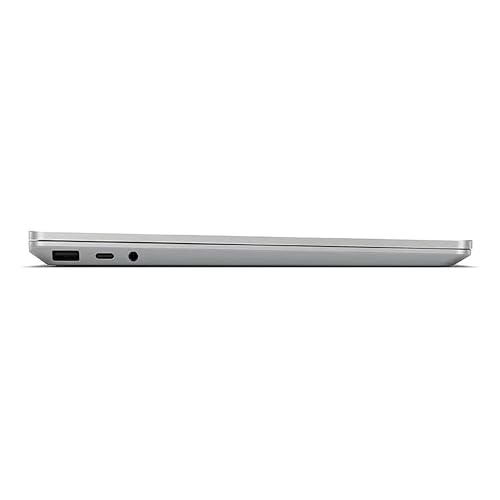

The low price makes the machine feel like a strong deal, especially when it arrives looking and performing like a much newer device.
The Microsoft Surface Laptop Go feels like a high-quality renewed laptop, with buyers describing it as clean, sturdy, and close to brand new.
Everyday functionality is a clear strength, with the laptop working well for school, web use, apps, and even casual gaming without complaints.
The Microsoft Surface 2-in-1 is widely appreciated as a fast, capable Windows tablet for everyday computing and general productivity.
Battery life is a mixed spot overall, with many buyers getting a full workday but some finding it less dependable for heavier use.
The design earns praise for looking polished while still feeling solidly built, with a sharp touchscreen that works well for productivity and media.
The Microsoft Surface 2-in-1 is widely appreciated as a fast, capable Windows tablet for everyday computing and general productivity.
Battery life is a mixed spot overall, with many buyers getting a full workday but some finding it less dependable for heavier use.
The design earns praise for looking polished while still feeling solidly built, with a sharp touchscreen that works well for productivity and media.


The Microsoft Surface 2-in-1 is widely appreciated as a fast, capable Windows tablet for everyday computing and general productivity.
Battery life is a mixed spot overall, with many buyers getting a full workday but some finding it less dependable for heavier use.
The design earns praise for looking polished while still feeling solidly built, with a sharp touchscreen that works well for productivity and media.


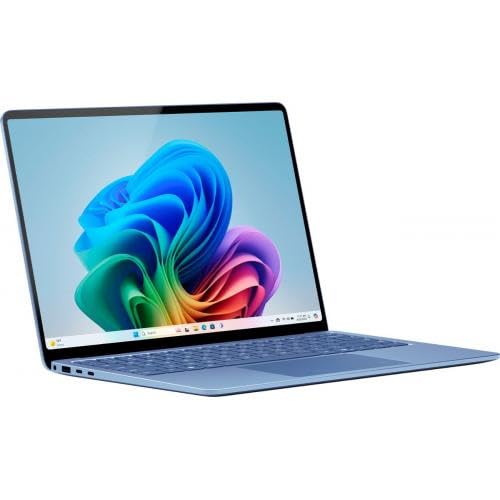

Performance feedback is more qualified, with the Snapdragon processor and 1TB storage called out as strengths even though this aspect is less uniformly positive than the battery and design praise.
Build and everyday usability are viewed positively, especially the smooth touchscreen and keyboard experience.
The Microsoft Surface Laptop stands out for long battery life that makes the loaded configuration feel especially practical.
Performance feedback is more qualified, with the Snapdragon processor and 1TB storage called out as strengths even though this aspect is less uniformly positive than the battery and design praise.
Build and everyday usability are viewed positively, especially the smooth touchscreen and keyboard experience.
The Microsoft Surface Laptop stands out for long battery life that makes the loaded configuration feel especially practical.
Performance feedback is more qualified, with the Snapdragon processor and 1TB storage called out as strengths even though this aspect is less uniformly positive than the battery and design praise.
Build and everyday usability are viewed positively, especially the smooth touchscreen and keyboard experience.
The Microsoft Surface Laptop stands out for long battery life that makes the loaded configuration feel especially practical.
We also considered 10 others:


Our Top Choice
The Microsoft Surface Pro feels like a premium, portable 2-in-1, with a sleek finish, sturdy kickstand, responsive touchscreen, and a form factor that is easy to carry and use in different settings.
Compatibility and reliability are more mixed, especially around the ARM-based Snapdragon platform and certain accessories, even though some owners have no issues with their own apps and peripherals.
Battery life is viewed as a clear upgrade over many other PCs and Windows tablets, making the device more practical as an all-day travel or work companion.
The Microsoft Surface Pro feels like a premium, portable 2-in-1, with a sleek finish, sturdy kickstand, responsive touchscreen, and a form factor that is easy to carry and use in different settings.
Compatibility and reliability are more mixed, especially around the ARM-based Snapdragon platform and certain accessories, even though some owners have no issues with their own apps and peripherals.
Battery life is viewed as a clear upgrade over many other PCs and Windows tablets, making the device more practical as an all-day travel or work companion.
The Microsoft Surface Pro feels like a premium, portable 2-in-1, with a sleek finish, sturdy kickstand, responsive touchscreen, and a form factor that is easy to carry and use in different settings.
Compatibility and reliability are more mixed, especially around the ARM-based Snapdragon platform and certain accessories, even though some owners have no issues with their own apps and peripherals.
Battery life is viewed as a clear upgrade over many other PCs and Windows tablets, making the device more practical as an all-day travel or work companion.
Compare Features


The order above is not editorial opinion, and it is not paid placement. It comes from what shoppers across our network actually do - which microsoft surfaces they compare, and which they ultimately buy. We re-rank as new data comes in, so the long-term favorites have to keep earning their spot against new entrants. The full method, including how we make money.
Microsoft Surface Tablets Buyer's Guide
This category sits between laptop and tablet, so the main tradeoff is portability and pen-friendly flexibility versus lap stability, repairability, and sustained power. The sharpest buying risks are configuration mistakes—especially low RAM or ARM app limits—and condition issues such as battery wear, keyboard-cover failure, or touchscreen defects.
Performance
You want a tablet that feels responsive when opening apps, switching between tasks, browsing, streaming, or playing games, so performance directly affects how pleasant it is to use every day. Look for enough processing power and memory for the way you use it, and watch out for lower-end tablets that may handle simple tasks fine but slow down with multitasking, demanding apps, or long-term updates.
For this category, check the exact processor platform, RAM, and storage before buying: avoid low-memory configurations if you plan to keep many browser tabs, video calls, note apps, or office apps open, and be especially careful with ARM-based configurations if you rely on older Windows programs, drivers, VPN clients, plug-ins, or specialty peripherals. Fanless and ultra-thin designs can feel quick for web, documents, schoolwork, and remote work, but they are not the best fit for sustained rendering, heavy gaming, large design files, or workstation workloads; owner feedback supports this split, with many buyers praising fast everyday multitasking while some note that 4GB setups feel weak once multitasking grows.
Usability
A tablet should feel easy to navigate and fit smoothly into the way you work, read, stream, or create. Look for practical functionality like intuitive controls, strong app compatibility, reliable file sharing, and support for the input accessories you may need, especially a keyboard or stylus. Watch out for tablets that seem powerful on paper but limit your workflow through awkward multitasking, restricted ports, or accessories that are costly or uncomfortable to use.
Choose the form factor around how you will actually use it: detachable tablet-style models are excellent for pen notes, reading, travel, and desk use, but the kickstand-and-cover setup can be less stable on a lap than a traditional clamshell. Inspect or confirm the touchscreen, pen input, keyboard cover, trackpad, backlight, kickstand hinge, cameras, biometric login, ports, and charger before the return window closes, because input failures are one of the more category-specific risks; owners often say working units set up easily and handle daily apps well, but reported failures include dead touch zones, damaged touchpads, and sticky or nonresponsive keys.
Battery
Battery life determines how long you can use a tablet for browsing, streaming, reading, gaming, or work before you need an outlet. Look for realistic runtime that matches your habits, and pay attention to charging speed and standby drain, since a tablet that lasts all day but takes a long time to recharge may still be inconvenient.
Treat battery claims cautiously, especially on used or refurbished units: ask for battery health or cycle information when possible, and plan for real-world drain from video calls, high brightness, pen use, background sync, and tablet sleep behavior. Also verify that the included charger or USB-C charger has enough wattage for the exact device, since underpowered charging can make travel use frustrating; owner sentiment is broadly positive about all-day use on many units, but reports are mixed enough that longer unplugged sessions should be a key pre-purchase check.
Value
A tablet with strong value gives you the features, performance, display quality, battery life, and accessory support you’ll actually use without making you pay for extras that don’t matter to you. Look for a balanced experience at the price: smooth everyday performance, enough storage, reliable software support, and the right screen size and quality for your needs. Watch out for cheap tablets that feel slow or limited quickly, as well as premium options that cost more mainly for features you may never use.
The best value in this category usually comes from getting the right complete kit, not just the lowest-cost device: confirm whether the keyboard cover, pen, charger, and correct OS license are included, and read listings carefully for refurbished status, ARM compatibility limits, storage size, RAM, screen condition, and warranty coverage. Because repairs for screens, batteries, and keyboards can be costly or impractical, a cheap unit with weak battery health or faulty input hardware can become poor value quickly; owners often feel these devices are strong buys when they arrive clean, fast, and bundled well, while others warn that unclear condition details or platform limitations can change the deal.
1,000,000+ shoppers use Buyer's Guide every week to find the best products and services online.

Helping millions of users make smarter purchases online.


