












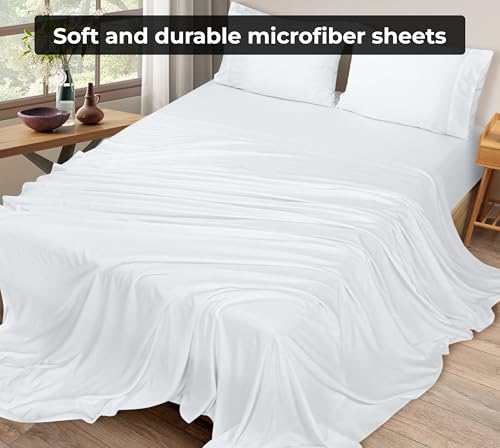




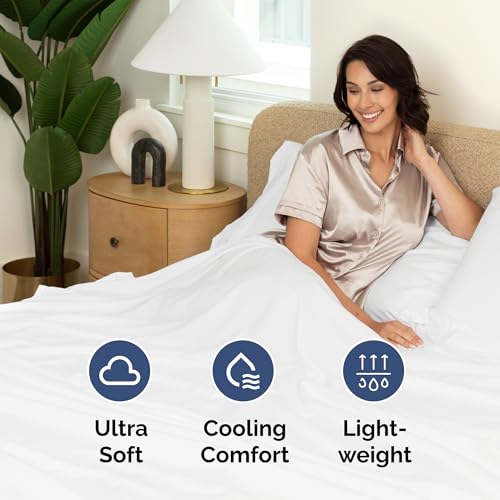




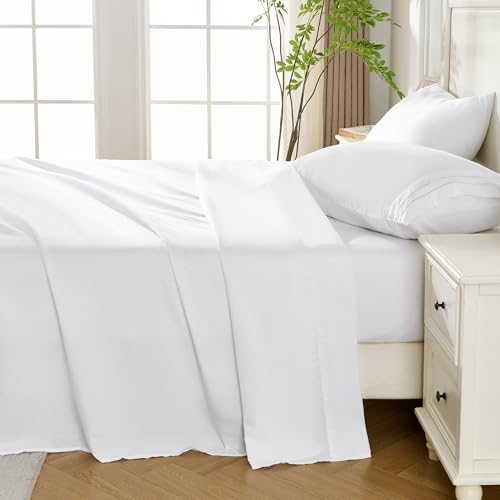


We also considered 10 others:


Our Top Choice
The order above is not editorial opinion, and it is not paid placement. It comes from what shoppers across our network actually do - which white sheets they compare, and which they ultimately buy. We re-rank as new data comes in, so the long-term favorites have to keep earning their spot against new entrants. The full method, including how we make money.
White Sheets Buyer's Guide
White sheets have to balance hotel-clean brightness with real-life softness, opacity, and easy laundering. The biggest watch-outs are thin fabric that shows the mattress or pillows underneath, fitted sheets that pop off thicker beds, and whites that wrinkle or look dingy faster than expected.
Fabric Feel
Fabric choice determines how white sheets feel against skin, how warm they sleep, and how opaque they look on the bed. Because white shows shadows and texture more than darker colors, thin or flimsy fabric is easier to notice. The best pick matches the sleeper’s feel preference while still having enough substance for everyday use.
For white sheets, look beyond the word “soft” and check the fiber, weave, and weight: cotton percale usually feels crisp and breathable, cotton sateen feels smoother with a slight sheen, and microfiber can feel very soft but may be lighter and less cotton-like. If you want a hotel-style white bed, avoid overly thin fabric because white sheets can look see-through and less substantial, especially over patterned pillows or darker mattress protectors. Owner feedback strongly favors sheets that feel soft, smooth, and comfortable, with several buyers also finding them cooler than expected; however, sentiment is more divided on microfiber and lightweight fabric, with some shoppers liking the softness while others find it too thin or less luxurious than cotton.
Stay-Put Fit
A soft sheet still fails if the fitted sheet will not stay anchored. Mattress heights vary widely, and toppers can add enough depth to make standard pockets unreliable. Secure fit is especially important for restless sleepers and adjustable beds, where fabric is pulled in multiple directions.
Measure the full mattress height, including toppers, pads, and protectors, then choose a fitted sheet with pocket depth that comfortably exceeds that height rather than barely matching it. For thick, pillow-top, foam, or adjustable mattresses, prioritize all-around elastic, reinforced corners, and clear deep-pocket sizing; shallow pockets and weak elastic are the usual reasons fitted sheets creep up or pop off overnight. Owner sentiment repeatedly supports this: deep pockets, strong elastic, and easy fit are praised for staying on thicker and adjustable mattresses without sliding off.
White Upkeep
White sheets are bought as much for their clean look as for comfort. Easy laundering helps preserve brightness and makes the bed look fresh without constant ironing. Wrinkle resistance and quick drying are practical advantages for households that rotate sheets often.
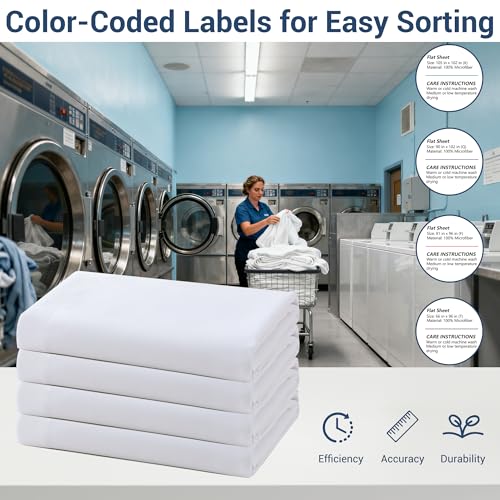
Choose white sheets that can handle frequent washing, because white bedding shows body oils, makeup, pet marks, and yellowing sooner than colored sheets. Check care instructions for warm-water tolerance, tumble-dry guidance, bleach or non-chlorine bleach compatibility, and whether the fabric is prone to border wrinkles; if you want a crisp guest-bed look, wrinkle behavior matters almost as much as softness. Owners often praise sheets that wash easily, dry quickly, resist heavy wrinkling, and keep the bed looking clean and put together, though some feedback notes that wrinkling can still vary at borders.
Build Quality
Durability in sheets is not just about the fabric surviving; it is also about how the edges, seams, and elastic behave after repeated laundering. Poor finishing can lead to fraying, misshapen corners, and a bed that looks tired even when freshly washed. Careful shoppers should treat construction as a separate factor from initial softness.
Inspect construction details such as straight stitching, secure hems, smooth seams, and elastic that feels firmly attached rather than loosely tacked on. White sheets are washed often, so weak seams, loose threads, rolling hems, and pilling can show up quickly and make an otherwise clean bed look worn. Owner reports strongly praise some sheets for holding up through repeated washing without loose threads, rolling, or pilling, but the feedback is mixed enough that seam issues and quality-control problems are worth checking as soon as the sheets arrive.
Set Value
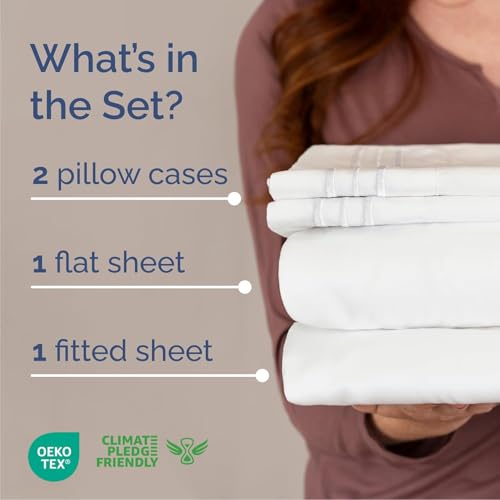
White sheets are often bought in multiples for rotation, guests, or replacement pieces, so configuration matters. A set with unneeded pieces can be less useful than a well-made single sheet, while extra pillowcases can be a real advantage. The best value combines the right pieces with comfort and durability that hold up over time.
Before comparing options, decide whether you need a full set, an extra fitted sheet, a single flat sheet, or extra pillowcases, because white bedding is often replaced in pieces after staining or wear. A good value is not just a low cost; it is the right configuration, enough pillowcases for your bed setup, and fabric quality that feels appropriate for daily washing and sleeping. Owner sentiment repeatedly calls out strong value when sheets feel better made than expected, include useful extras like additional pillowcases, or work as practical spare bedding for guest rooms, sleepovers, travel, and other everyday uses.
1,000,000+ shoppers use Buyer's Guide every week to find the best products and services online.

Helping millions of users make smarter purchases online.


