
















We also considered 10 others:


Our Top Choice
The order above is not editorial opinion, and it is not paid placement. It comes from what shoppers across our network actually do - which cotton bed sheets they compare, and which they ultimately buy. We re-rank as new data comes in, so the long-term favorites have to keep earning their spot against new entrants. The full method, including how we make money.
Cotton Bed Sheets Buyer's Guide
Cotton bed sheets are a tradeoff between crisp breathability, smooth softness, and long-term stability after repeated washing. The sharpest buying risks are choosing cotton that feels nice at first but shrinks, pills, or pulls at the seams, and picking a pocket depth or shade that does not match the mattress or room once the set arrives.
Cool Feel
Cotton sheets can feel very different depending on weave, yarn, and finishing, even when the fiber content looks similar. Breathability is especially important because sheets sit directly against the skin and can determine whether the bed feels cool, clammy, or balanced through the night.
Start by deciding which cotton feel you actually want: percale for a crisper, cooler hand; sateen for a smoother, more drapey feel; or a linen-like cotton texture for airy softness with a more relaxed look. Prioritize 100% cotton or clearly stated cotton construction if breathability matters, and be cautious of vague “cotton-rich” wording if you are trying to avoid synthetic heat retention. Thread count alone is not enough; weave, yarn quality, and finishing usually matter more for whether the sheet sleeps cool or traps warmth. Owner feedback supports this focus on feel and airflow: buyers repeatedly praise breathable cotton that stays lightweight, comfortable, and suitable for warmer nights while still feeling inviting in cooler conditions. Reports also highlight cotton sheets that feel smooth, sateen-like, or linen-like without losing the core benefit shoppers expect from cotton bedding: a natural, breathable sleep surface.
Lasting Softness
Softness is one of the first things shoppers notice, but it can be misleading if the fabric lacks structure. In cotton sheets, the better target is a soft hand that still has enough body to resist limpness, twisting, and premature wear.
Look for softness that comes from cotton quality and finishing rather than an overly thin, slippery fabric that may go limp after laundering. If you like a hotel-like or sateen feel, choose sheets described as smooth and substantial rather than just “silky”; if you prefer a cooler casual bed, a lighter cotton can be better as long as it still has enough body to stay put. Expect good cotton to soften with washing, but avoid sets where softness appears to depend on fragile brushing or very lightweight construction. Owners strongly value sheets that feel soft, cozy, and luxurious while remaining comfortable after washing. The most reassuring reports describe softness paired with fabric that does not become flimsy, suggesting that the best picks balance a pleasant hand with enough substance for regular use.
Build Quality
Sheets are stressed every night by body movement, laundering, and the tension of being pulled over a mattress. Good cotton fabric still needs good sewing and edge finishing, because weak seams can fail before the fabric itself wears out.
Inspect construction details before buying: reinforced hems, even stitching, full elastic on fitted sheets, and sturdy seams matter more than decorative claims. For cotton sheets, thicker or more substantial fabric can be a plus if you want durability, but it should not feel stiff, rough, or overly hot. Watch for weak seam construction, loose threads, and attachment points that may fail after repeated washing or tugging on the bed. Owner sentiment makes durability a key separator. Many buyers praise well-made cotton fabric, good stitching, easy washing, and a lack of early pilling or tearing, while the main warning is that seams or interior attachment points can come apart over time on some sets. That split means construction quality should be treated as a core buying criterion, not an afterthought.
True Fit
Cotton sheets must fit under tension, and even a comfortable fabric becomes frustrating if the fitted sheet rides up. Mattress depth, elastic quality, and shrinkage after laundering all affect whether the set keeps fitting properly over time.
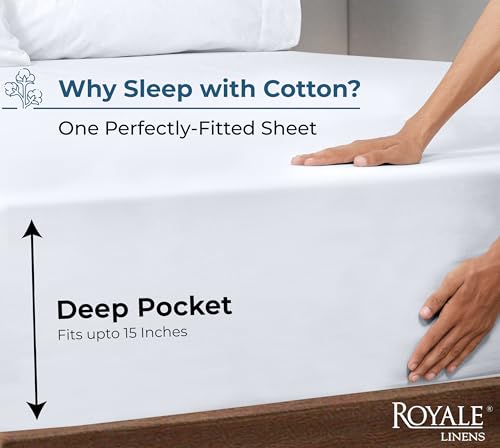
Measure mattress height before buying and compare it with the fitted sheet pocket depth, especially if you use a pillow-top, topper, pad, or adjustable base. Deep pockets help only when paired with strong elastic and enough fabric to wrap under the corners; otherwise the sheet can pop off or bunch. Because cotton can shrink, look for preshrunk fabric or owner evidence that sizing remains stable after washing, and consider washing before judging final fit. Owners report that fit depends heavily on the mattress. Deep pockets and extra corner elastic are appreciated when the sizing matches the bed, but some buyers find that sets shrink or tuck less predictably than expected. This makes fit and laundering behavior one of the most practical make-or-break dimensions for cotton sheets.
Bed Look
Sheets cover a large visual area, so color, finish, and drape strongly affect how the whole room feels. Cotton also changes with laundering, making care habits important for preserving both fit and appearance.
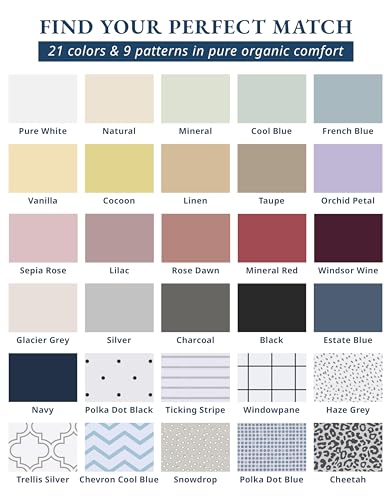
Choose colors with the expectation that cotton can look different under bedroom lighting and may relax into a softer, more lived-in drape after washing. If a crisp hotel-like bed is the goal, favor smoother weaves and cleaner finishes; if you like a natural casual look, linen-like cotton texture and slight wrinkling may be acceptable. Check care instructions carefully, because high heat can increase shrinkage, fade colors, and make wrinkles more pronounced. Owner feedback is positive on clean, attractive styling, with many buyers saying cotton bedding can make a bed look fresh, elevated, minimalist, or well matched to decor. The caution is that color is less predictable than fabric feel: some sets match expectations, while others arrive in a different shade or change enough after washing to affect the final look.
Value Signals
Cotton sheet marketing can lean heavily on claims that do not always predict real sleep comfort. The safest way to judge value is to connect material claims with practical evidence of comfort, laundering stability, and durable construction.
Judge value by verifiable material and construction signals: stated cotton content, credible organic or safer-material claims when relevant, weave type, stitching quality, elastic coverage, and how the fabric performs after washing. Avoid paying attention only to inflated thread-count language, packaging claims, or a soft first touch if the sheet lacks clear fiber information and durability details. For health- or material-conscious shoppers, organic cotton can be worthwhile when the claim is specific and supported, but it still needs the same fit, softness, and seam quality checks as any other cotton sheet. Owners often describe better cotton bedding as feeling higher-quality than expected, especially when the fabric is well made and the construction details are thoughtful. Sentiment also shows that organic cotton can feel like strong value compared with other healthier-material bedding options, but the strongest praise still ties back to fabric quality, comfort, and construction rather than labels alone.
1,000,000+ shoppers use Buyer's Guide every week to find the best products and services online.

Helping millions of users make smarter purchases online.


