








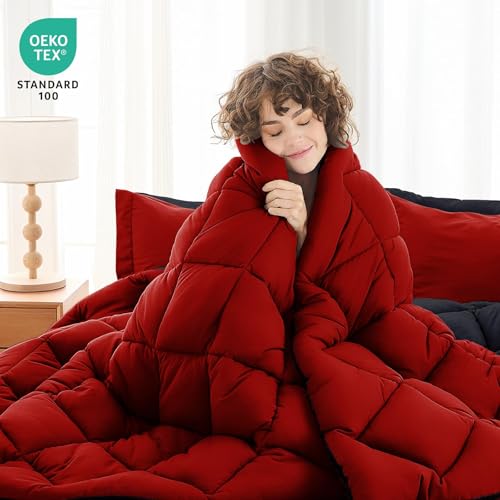
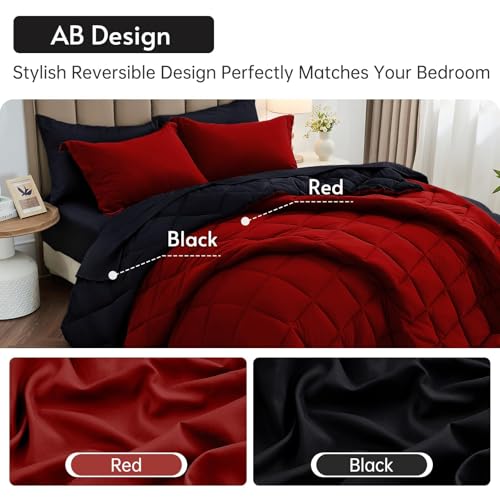


We also considered 10 others:


Our Top Choice
The order above is not editorial opinion, and it is not paid placement. It comes from what shoppers across our network actually do - which bed sheet sets they compare, and which they ultimately buy. We re-rank as new data comes in, so the long-term favorites have to keep earning their spot against new entrants. The full method, including how we make money.
Bed Sheet Sets Buyer's Guide
A good bed sheet set has to balance next-to-skin comfort with a fitted sheet that actually stays on the mattress after washing. The sharpest buying risks are pocket-depth mismatch, fabric that feels good at first but pills or traps heat, and colors that do not look as calm or coordinated in the room as they did online.
Fit & Pockets
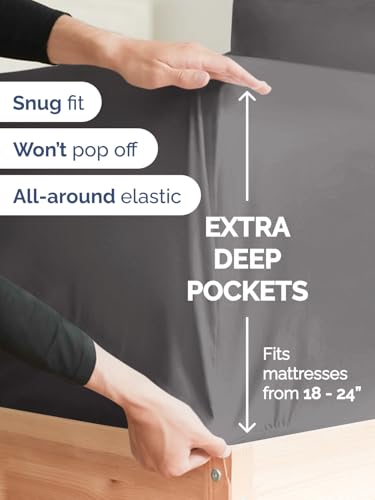
Sheets fail fast when the fitted sheet is too shallow, too loose, or prone to shrinking out of spec. A careful shopper should match the pocket depth to the actual mattress stack, not just the nominal mattress size, because toppers and protectors change the fit.
Measure the full mattress height, including any topper or pad, before choosing a fitted sheet; a “deep pocket” label is only useful if its stated depth exceeds that real height. Look for all-around elastic, clear mattress-depth specs, and the right pillowcase sizes for queen, king, or split setups, and avoid sets that only give a vague bed-size label with no pocket depth. Owner feedback supports treating fit as a real screening point: many buyers report bedding fitting well or perfectly, but fit is also described as mixed across some sizes and setups, with thickness expectations adding more variability.
Feel
The best sheet set for one sleeper may feel too slick, too crisp, or too warm to another. Fabric type and weave usually tell you more about real comfort than a single marketing term or thread-count number.
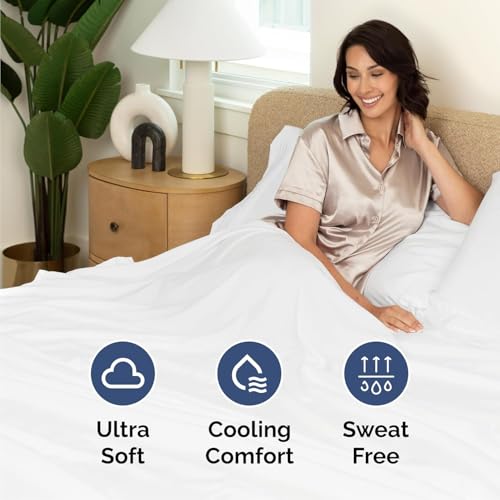
Choose the handfeel by sleep preference: percale feels crisper and lighter, sateen feels smoother and drapier, brushed microfiber feels very soft but can feel less breathable, and linen or linen blends feel textured at first but relax with use. Be wary of vague claims like “luxury soft” without fabric type, weave, and care details, because sheets are in direct contact with skin for hours and small texture differences matter. Owner sentiment makes softness a top separator, with buyers repeatedly praising bedding that feels soft, smooth, cozy, and comfortable enough for everyday sleeping.
Sleep Temperature
Sheets influence whether a bed feels cool, neutral, or heat-retaining through weave density, fiber choice, and fabric weight. Temperature comfort is especially important because a sheet that feels soft in the hand can still sleep too warm overnight.
Hot sleepers should prioritize breathable weaves and fibers, such as crisp cotton percale, linen, or other airy constructions, and be cautious with dense, brushed, or very heavy-feeling fabrics. Cold sleepers may prefer brushed cotton, flannel-like textures, or heavier sateen-style sheets, but should still avoid sets that feel clammy rather than insulating. Owner feedback points to thickness as an expectation check: bedding can be comfortable and usable while still not feeling as plush, fluffy, or substantial as photos suggest.
Wash Wear
Sheets are washed far more often than many other bedding pieces, so early softness is not enough. A good set should keep its shape, texture, and color through repeated laundering without becoming rough, loose, or misshapen.
Look for tight, even stitching, reinforced hems, colorfast-dye language, care instructions you will actually follow, and fitted-sheet elastic that runs around the sheet rather than only at the corners. The main failure modes are pilling, thinning, seam fray, fading, and shrinkage that turns a once-good fitted sheet into a corner-popper. Owner sentiment backs durability as a buying factor: buyers value bedding that stays soft and holds up well with washing, and quality is repeatedly tied to comfort and continued usability.
Room Look
A sheet set covers a large visual surface, so color and finish can change the feel of the whole room. The right set should coordinate with the duvet, comforter, pillows, and lighting rather than only looking good in a product photo.
Decide whether you want matte, crisp, silky, or relaxed-looking sheets, because weave and finish affect how the bed looks as much as the color does. Check whether the set includes visible details you care about, such as envelope pillowcases, decorative hems, wrinkle-prone fabric, or a sheen that may shift under bedroom lighting. Owner feedback shows appearance is a major draw in this category, with buyers liking colors that match photos, look clean or vibrant, and make the bed feel elegant, cozy, and put together.
Set Value
A sheet set is only a good deal if every included piece fits your bed and gets used. Extra pieces do not help if the fitted sheet slips, the pillowcases are the wrong size, or the fabric does not hold up.
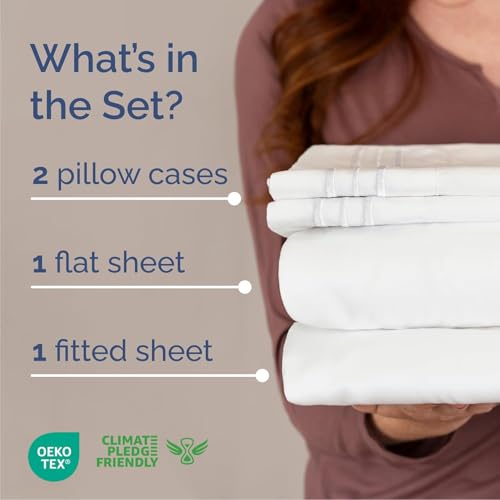
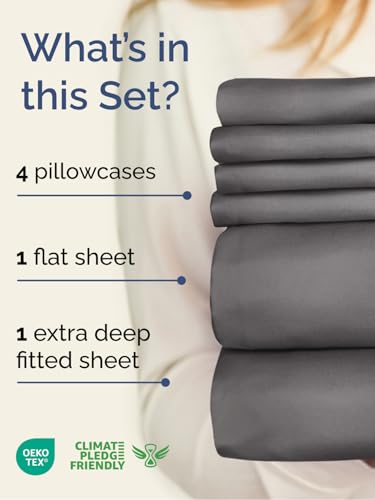
Compare the actual contents before judging value: a standard set may include only a fitted sheet, flat sheet, and pillowcases, while some buyers need extra pillowcases, split-king fitted sheets, or deeper-pocket versions. Strong value comes from usable pieces, compatible sizing, comfortable fabric, and durability after washing—not just the highest piece count. Owner sentiment supports this: buyers describe coordinated bedding basics as a strong value when they feel comfortable, presentable, and nicer than expected.
1,000,000+ shoppers use Buyer's Guide every week to find the best products and services online.

Helping millions of users make smarter purchases online.


