





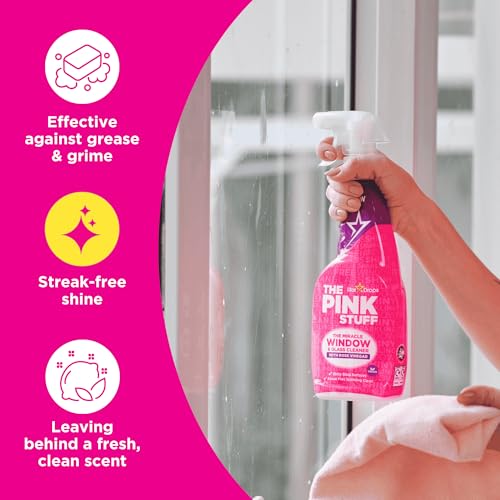


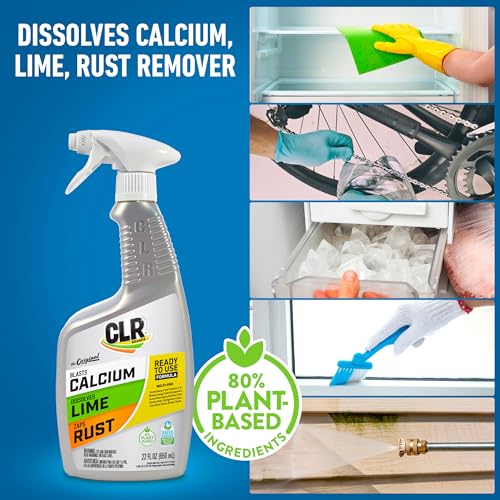


We also considered 10 others:

Our Top Choice
The order above is not editorial opinion, and it is not paid placement. It comes from what shoppers across our network actually do - which water spot removers for glass they compare, and which they ultimately buy. We re-rank as new data comes in, so the long-term favorites have to keep earning their spot against new entrants. The full method, including how we make money.
Water Spot Removers for Glass Buyer's Guide
Water spot removers for glass live in a narrow tradeoff: they must be strong enough to break down mineral scale, soap scum, and sprinkler spotting without scratching glass or harming nearby finishes. The sharpest buying concerns are whether the marks are removable deposits or permanent etching, and whether the formula leaves a clear, low-haze finish after the scrubbing and buffing are done.
Spot Removal
This category is about removing mineral deposits from glass, not just making glass smell clean or wiping away dust. The most important performance gap is between products that can break down real hard-water buildup and products that only improve light haze. Severe or etched spots may remain even when the cleaner is working properly.
Start by matching the remover to the kind of mark: cloudy shower-door haze, hard-water rings, soap scum, and sprinkler mineral spots need a product explicitly meant for mineral or hard-water deposits on glass. If the glass still shows ghost spots after cleaning, especially after years of sun-baked or severe buildup, the surface may be etched rather than just dirty; no ordinary remover should be expected to fully reverse that. Owner feedback strongly supports this distinction: many buyers report dramatic improvement on cloudy shower doors, older shower surrounds, and stubborn deposits other cleaners missed, but results are also described as hit-or-miss when spots are etched, severe, baked-on, or especially stubborn.
Surface Safety
Water spot removers can be chemical, mildly abrasive, or polish-like, so the safest choice depends on what surrounds the glass. A formula that works well on bare shower glass may be a poor fit for coated glass, trim, stone, or delicate finishes. Careful testing helps prevent trading mineral spots for scratches, dulling, or residue damage.
Check compatibility before using any remover around coated shower glass, tinted auto glass, mirrors, chrome trim, painted edges, gel coat, stone, tile, grout, or metal hardware. Use non-scratch pads or microfiber first, test an inconspicuous area, and avoid letting acidic or abrasive formulas run onto sensitive adjacent surfaces unless the label allows it. Owner reports show why surface matching matters: some removers improve glass, paint, and gel coat when used correctly, and some leave shower glass, tubs, tile, grout, vehicle glass, or boat surfaces looking restored or polished rather than merely scrubbed.
Work Time
The best remover on paper can disappoint if it is hard to control on vertical glass or difficult to buff off cleanly. Hard-water removal is often a process: apply, agitate, wipe, inspect, and repeat. Ease of use matters most when the job involves large shower doors, patio glass, or multiple vehicle windows.
For vertical shower doors and windows, favor a gel, cream, or polish-style formula that stays where it is applied instead of running down the pane. Work in small sections with a microfiber cloth or suitable applicator, keep the product from drying on the surface, and expect repeat passes or real scrubbing on older deposits. Owners often find application straightforward by hand or section-by-section, and gel textures are praised for staying put, but feedback also warns that letting residue dry can make removal harder and turn the job into a longer detailing step.
Clear Finish
After mineral removal, the final surface matters because glass shows residue, haze, and streaks immediately in bright light. Some formulas clean and leave protection behind, while others require a separate buffing step to look truly clear. A good finish is especially valuable on shower doors and exterior glass that are exposed to repeated water contact.
Look for a remover that not only cuts the spots but also buffs out cleanly with minimal haze; plan on using a second clean microfiber cloth for final polishing. If the glass is a shower door, patio panel, or other surface that gets wet repeatedly, a built-in water-repellent or protective finish can help water bead and slow visible spotting between cleanings. Owner sentiment supports both the upside and the watch-out: many users praise clear, shiny, streak-free glass and lasting water-repellent results, while others need extra buffing or a second cloth to avoid haze.
Indoor Handling
Water spot removal often happens in bathrooms, shower stalls, and other tight spaces where fumes, splatter, and residue are more noticeable. Handling quality includes the smell, bottle control, cap reliability, and how easy the product is to rinse or wipe away. Safer, cleaner handling makes it more likely the product will actually be used as directed.
For bathrooms and enclosed showers, choose a formula you can use with ventilation, gloves, and controlled runoff, and avoid mixing it with other cleaners. A manageable odor and leak-resistant packaging matter more than they seem because these products are often used at face level on large vertical panes in small rooms. Owner feedback notes that some formulas have a manageable, non-harsh smell that makes indoor cleaning more tolerable, but packaging leaks are a real watch-out when bottles arrive or are stored poorly.
Job Value
The true value of a glass water spot remover depends on how much glass you need to treat and how severe the mineral buildup is. Light newer marks may clean quickly, while older deposits can consume more product and labor. Accessories help, but they do not replace a formula that is suited to the level of buildup.
Buy for the size and severity of the job, not just the bottle: a small amount may go far on light spotting, but years of buildup can require repeat applications, extra cloths, and more time. Included microfiber towels or applicators can be useful, but only if the formula has enough cleaning power for the deposits you actually have. Owners are split on value because some see strong results and feel the purchase is worthwhile, while others feel disappointed when tough stains still require heavy scrubbing or the bottle quantity does not match the job.
1,000,000+ shoppers use Buyer's Guide every week to find the best products and services online.

Helping millions of users make smarter purchases online.


