














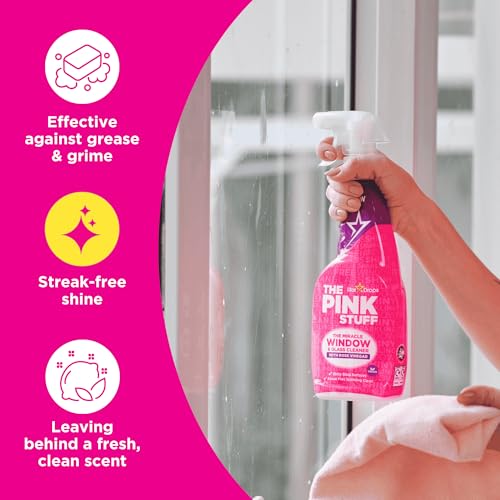


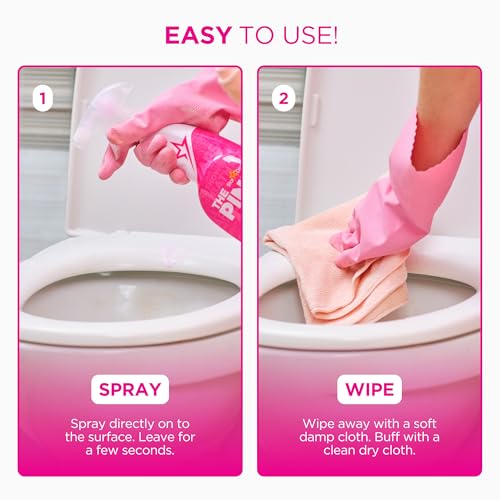


We also considered 10 others:


Our Top Choice
The order above is not editorial opinion, and it is not paid placement. It comes from what shoppers across our network actually do - which shower glass cleaners they compare, and which they ultimately buy. We re-rank as new data comes in, so the long-term favorites have to keep earning their spot against new entrants. The full method, including how we make money.
Shower Glass Cleaners Buyer's Guide
Shower glass cleaners sit at the intersection of chemistry and daily water removal: the best choice depends on whether you are dissolving hard-water scale and soap scum, maintaining clear glass after each shower, or adding a water-repellent finish. The sharpest buying concerns are streaks, mineral haze, residue that dries onto glass, and hardware or holders that fail in a wet, steamy shower.
Scum Power
Shower glass collects both body-soil soap film and mineral scale, so a cleaner that works on fingerprints may still struggle in a bathroom. Matching the cleaner to the type of buildup prevents wasted effort and reduces the temptation to use overly abrasive methods that can dull glass or damage nearby finishes.
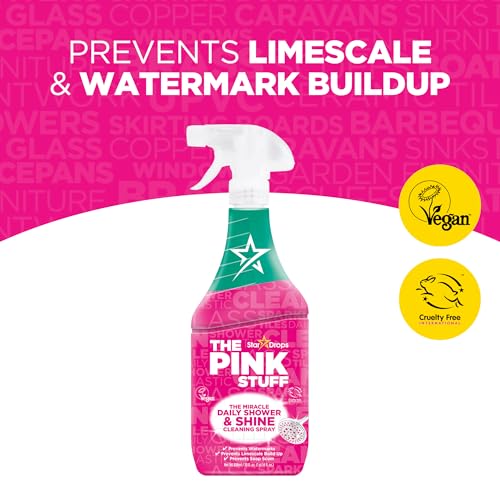
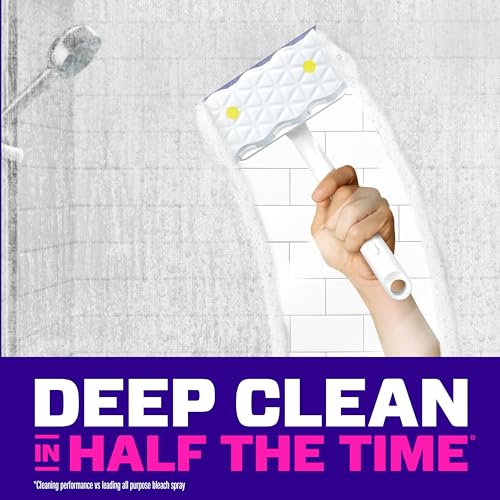
For shower glass with cloudy white spots, rough-feeling mineral haze, or soap-scum film, prioritize cleaners that explicitly target hard water, mineral deposits, soap scum, and bathroom grime rather than general-purpose glass shine alone. Foams and pastes can help on vertical shower surfaces because they stay put longer, but heavy buildup may still require dwell time, a non-scratch pad, repeat applications, and thorough rinsing; avoid assuming any cleaner will erase long-neglected scale in one pass. Owner sentiment strongly supports this as a make-or-break dimension: buyers repeatedly praised strong performance on soap scum, mineral deposits, grime, water stains, and stained shower walls. The mixed feedback is just as important, with some hard-water stains and heavy soap scum still needing scrubbing, repeat applications, or more time than directions suggest.
Clear Finish
Shower glass is unforgiving because leftover film becomes visible as soon as light hits it. A good finish reduces spotting between cleanings, while a poor one can trade soap scum for streaks, haze, or residue.
If your goal is clear shower doors after every use, look for a cleaner or maintenance tool that leaves glass streak-free and dries cleanly without oily haze. For repellents and polish-style cleaners, use a clean microfiber cloth, work in small sections, and buff completely; for daily squeegeeing, choose a blade that makes full contact edge-to-edge so it pulls water off instead of smearing it. Owners consistently highlighted clean, dry, streak-free shower glass after wiping, along with clearer, shinier glass on mirrors, windows, and shower doors. However, sentiment also shows that streak-free results are not automatic: some surfaces needed a second clean cloth or extra buffing to avoid haze.
Wipe Control
Removing water right after a shower is often the simplest way to prevent new mineral spots and soap residue from drying on glass. The difference between a useful squeegee and a frustrating one is usually blade contact, balance, and whether it feels easy enough to use every day.
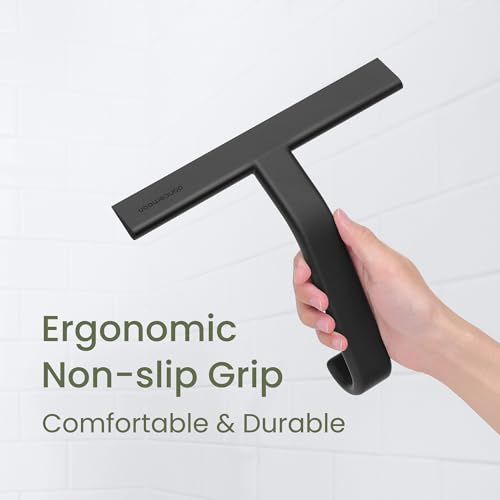
For daily maintenance, a squeegee should have a straight, flexible blade, enough width for your shower panels, and a handle that gives controlled pressure without twisting. One-piece silicone designs reduce failure points such as loose handles, falling blade strips, and corroding metal parts, while stainless-steel designs can feel substantial but should still have a blade that glides smoothly and does not chatter across glass. Owner feedback strongly favors squeegees that quickly clear shower glass, tile walls, and even floors with very little effort. Buyers also praised sturdy blades, smooth glide, comfortable grip, substantial feel, and designs that helped keep glass cleaner with fewer water spots after daily use.
Safe Removal
Shower cleaners work in tight, wet spaces near seals, hardware, tile, and sometimes coated glass, so safe use matters as much as cleaning strength. Residue left behind can attract new grime or create haze, while harsh use on the wrong surface can cause damage that cleaning cannot fix.
Check compatibility before using any shower glass cleaner around coated glass, natural stone, grout, metal trim, seals, or treated shower doors. Avoid letting foams, pastes, or polish cleaners dry on the surface unless the directions specifically require it, and rinse or wipe promptly because dried residue can become harder to remove; use ventilation and choose milder scents if the shower is enclosed. Owner sentiment backs the need to watch removal and residue: some cleaners came off easily when used promptly but became harder to remove once dry. Buyers were divided on scent, foaming, residue, and whether extra buffing was needed, though some liked a mild, not-harsh scent in paste-style cleaners.
Wet Storage
A shower glass cleaner that is hard to store nearby is less likely to become part of a daily routine. Wet heat, steam, and slick tile can defeat weak holders, so storage design is a real durability and usability issue in this category.
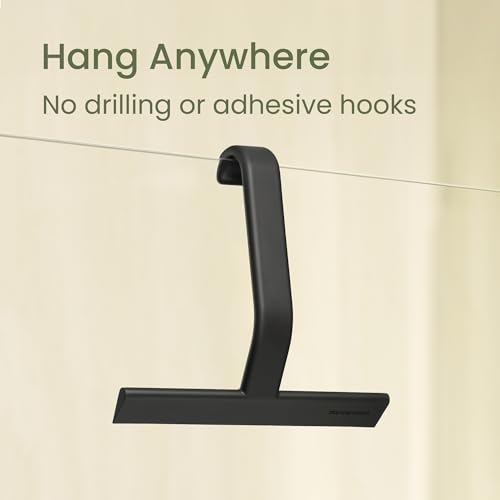
Storage matters because the cleaner or squeegee has to live where it will actually be used. Built-in hooks that hang over glass, doors, grab bars, shelves, or niches are safer bets than adhesive-only holders in steamy showers; if using adhesive, clean and dry the mounting area thoroughly and avoid textured tile, grout lines, or constantly wet spots. For bottled cleaners, inspect caps and packaging on arrival and store upright to reduce mess. Owners praised built-in hanging hooks as especially convenient because they required no assembly and saved storage space. Adhesive holders were more mixed: some stayed secure, while others failed in steam, and there were also watch-outs about bottles arriving with leaked product.
Routine Value
Shower glass care is repetitive, so the best value is not just the amount in the bottle or the tool in the box. It is the combination of performance, ease, accessories, and whether the product prevents future buildup enough to reduce cleaning effort over time.
Decide whether you need an everyday maintenance item, a deep-cleaning formula, or a multi-surface bathroom cleaner, because value depends on how often it solves your actual shower-glass problem. Included towels, larger bottles, or multi-surface claims only matter if the cleaner performs on glass without haze and fits your routine; a cheap tool that prevents buildup daily can be a better fit than a stronger product you rarely use. Owner sentiment shows value is tied closely to visible results and convenience. Many buyers felt performance, appearance, included microfiber towels, or repurchase-worthiness supported the buy, while others questioned value when results were average, bottle quantity disappointed, or the foam did not feel like a major upgrade.
1,000,000+ shoppers use Buyer's Guide every week to find the best products and services online.

Helping millions of users make smarter purchases online.


