


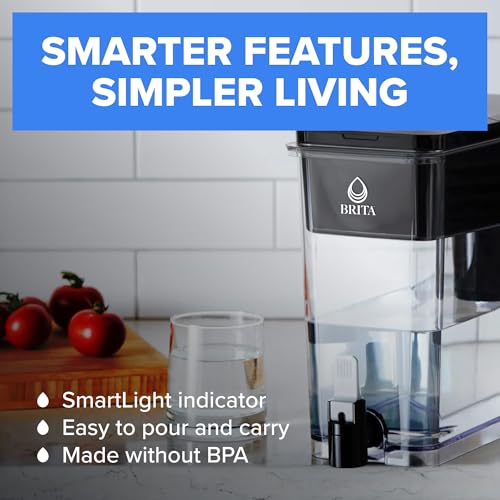




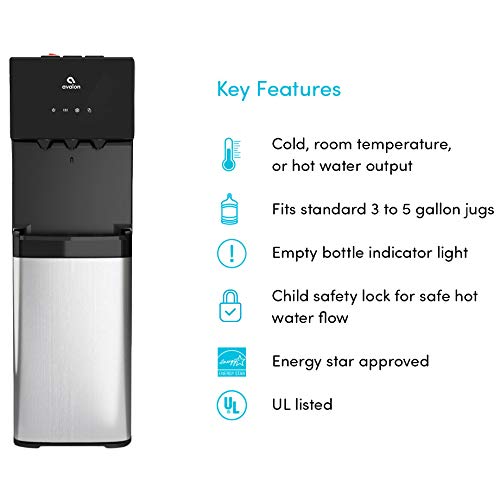


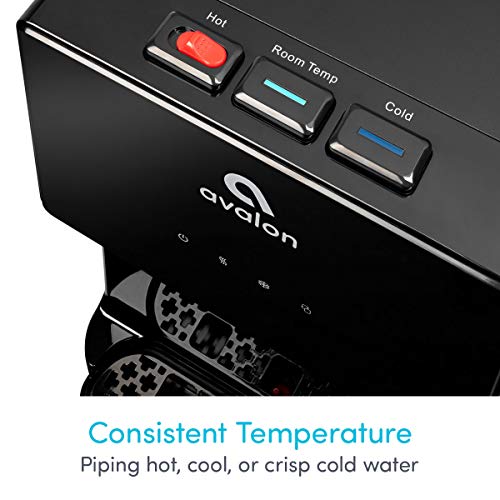


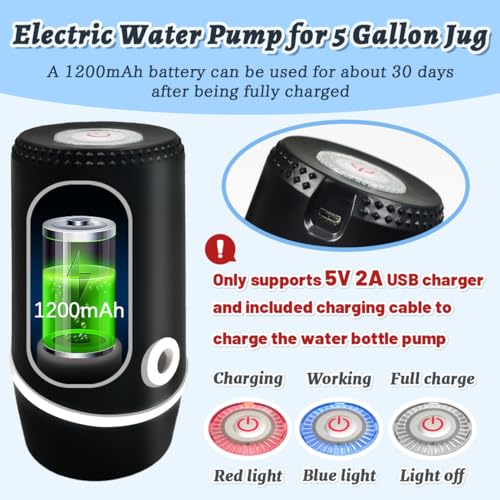





We also considered 10 others:


Our Top Choice
The order above is not editorial opinion, and it is not paid placement. It comes from what shoppers across our network actually do - which water dispensers they compare, and which they ultimately buy. We re-rank as new data comes in, so the long-term favorites have to keep earning their spot against new entrants. The full method, including how we make money.
Water Dispensers Buyer's Guide
Water dispensers split into very different use cases: improving tap-water taste, serving chilled or hot bottle water, pumping from 5-gallon jugs, or keeping drinks flowing at a party. The best choice depends less on generic capacity and more on water source, lifting/refill ergonomics, temperature needs, and whether the spigot or pump can dispense cleanly without leaks.
Water Taste
Water dispensers are often bought to make ordinary tap or bottled water more pleasant to drink, so taste and filtration are central rather than optional. A good dispenser should match the water problem you actually have, because a filter that improves flavor may not address every contaminant. Filter life and refill convenience also affect whether the dispenser stays useful after the first few weeks.
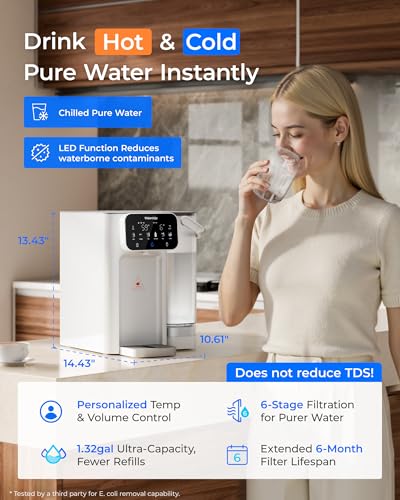
If the goal is better tap water, prioritize a dispenser with a clearly specified filter type, published contaminant-reduction claims, and certifications that match your local concern, such as chlorine taste, sediment, lead, PFAS, or general municipal-water improvement. For refrigerator-style dispensers, check filter replacement cost, filter-life rating, fill opening size, and whether the container fits your shelf while still allowing the spout to clear the edge. Owner feedback strongly supports this dimension: filtered dispensers earned their best praise for making tap water taste smoother, fresher, and less chlorine-forward, and buyers also liked them for everyday drinking and cooking water in homes trying to improve municipal water quality.
Temperature Range
Temperature control is one of the main reasons to choose a powered water cooler over a simple pitcher, pump, or party dispenser. Weak chilling, lukewarm hot water, or slow recovery can make a dispenser frustrating even if it technically works. Safety matters too, because near-boiling water on demand should be protected from accidental use.
For electric water coolers, decide whether you truly need hot, cold, and room-temperature water or only one or two of those outputs; extra temperature zones add convenience but also more parts that must stay reliable. Look for hot-water safety features such as a child lock, cold-water temperature ranges that are actually cold enough for drinking, and enough compressor/heating capacity for back-to-back cups in an office or busy kitchen. Owner sentiment consistently highlights temperature as a separator: buyers praised units that dispense hot, cold, and room-temperature water without fuss, with hot water getting very hot and cold water coming out nicely chilled.
Refill Ergonomics
A dispenser that is easy to refill is more likely to be used every day. Large bottles and full reservoirs are heavy, awkward, and spill-prone, so loading height and handle access can matter as much as water performance. Fit is also practical: a unit must work in the intended kitchen, office, refrigerator, or event space without blocking normal use.
For 3- to 5-gallon jugs, choose the loading style around who will change the bottle: bottom-loading designs hide the jug and avoid lifting a heavy bottle overhead, while top-loaders make the water level visible but require more strength and spill control. Confirm bottle compatibility, neck fit, probe length, cabinet clearance, and whether setup requires priming or awkward tube placement; for fridge dispensers, check that you can refill them under your faucet and slide them onto the shelf when full. Owners repeatedly valued easy setup, quick bottle installation, one-button dispensing, simple refills, and especially bottom loading because it makes weekly bottle changes much easier than lifting heavy jugs onto the top.
Flow & Leaks
Dispensing quality is the part of the product you experience every time you fill a cup. Slow flow, weak pressure, or a leaky spigot can make even a large or attractive dispenser annoying to use. Leak control is especially important for units that sit full on counters, tables, or floors for long stretches.
Inspect the dispensing hardware closely: a good water dispenser should have a smooth-flowing spout, enough pressure to fill bottles without waiting, and seals that do not drip after the cup is removed. For party drink dispensers, avoid flimsy plastic spigots that twist loose under a full container; for electric coolers, look for responsive buttons or paddles and clearance for tall bottles. Owner reports make this a key reliability point: buyers praised fast flow, enough pressure, smooth pouring, and spigots that avoided leaking, dripping, slow trickles, or counter mess even after sitting full.
Right Capacity
Capacity determines how often you refill, where the dispenser can live, and how well it supports the number of people using it. The right size depends on whether the dispenser is for one refrigerator shelf, a break room, a countertop drink station, or a full gathering. A careful buyer balances fewer refills against weight, footprint, and cleaning access.
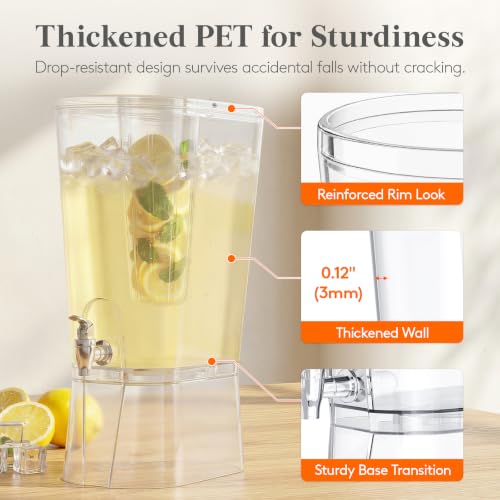
Match capacity to the setting: a small filtered fridge dispenser suits daily household drinking, a 3- or 5-gallon bottle system suits steady home or office use, and a large beverage dispenser suits parties where guests serve themselves. Bigger is not always better; full containers are heavy, need shelf or counter clearance, and may be harder to clean, while undersized units require constant refilling during meals or events. Owner sentiment shows the value of right-sizing: buyers liked large party dispensers that held a little over 3 gallons with room for ice, praised self-serve setups for gatherings, and also appreciated large everyday dispensers that still fit neatly in the refrigerator.
Build & Fit
Water is heavy, so weak housings, unstable stands, and poor spigot mounts show up quickly in this category. Cleanability is also part of durability because reservoirs, tubes, drip trays, and spigots need regular care to avoid residue and stale tastes. Appearance and footprint matter when the dispenser stays visible in a kitchen, office, or serving area.
Choose materials for the environment: glass and wood can look better for buffet-style serving but are heavier and breakable, while sturdy food-grade plastic is lighter and easier to move when full; electric coolers should feel stable, have solid panels, and keep bottle tubing and drip trays accessible for cleaning. Check that removable parts can be washed, that the reservoir or drink chamber has a wide enough opening for a hand or brush, and that the footprint fits the intended kitchen, office, or event table. Owners supported this with praise for well-made coolers, sturdy plastic party dispensers, sturdy glass with a solid stand, simple cleanup, and slim or sleek designs that fit small spaces; they also frequently described strong value when the build, convenience, and performance felt balanced.
1,000,000+ shoppers use Buyer's Guide every week to find the best products and services online.

Helping millions of users make smarter purchases online.


