










We also considered 10 others:


Our Top Choice
The order above is not editorial opinion, and it is not paid placement. It comes from what shoppers across our network actually do - which water coolers they compare, and which they ultimately buy. We re-rank as new data comes in, so the long-term favorites have to keep earning their spot against new entrants. The full method, including how we make money.
Water Coolers Buyer's Guide
Water coolers are a tradeoff between convenience, water source, and long-term upkeep: a bottleless unit reduces jug handling but depends on a clean, compatible water-line installation, while bottled units are simpler to place but require storage and lifting. The sharpest buying risks are temperature performance that disappoints, filtration costs that sneak up, and durability failures such as internal freezing or loss of heating and cooling over time.
Source & Setup
The best water cooler for one room can be wrong for another if the water source is inconvenient or incompatible. Setup details matter because a poor connection, awkward bottle position, or missing fitting can turn a simple appliance into a leak risk or a daily hassle.
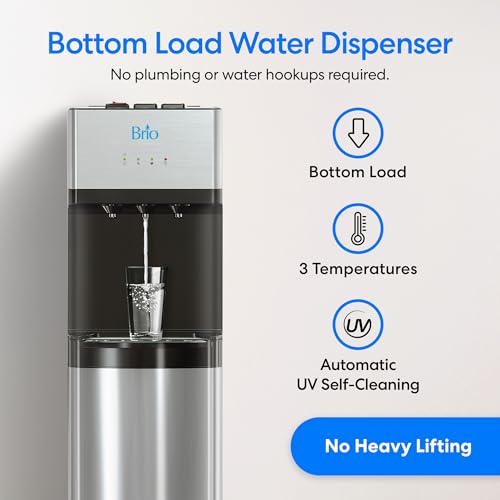
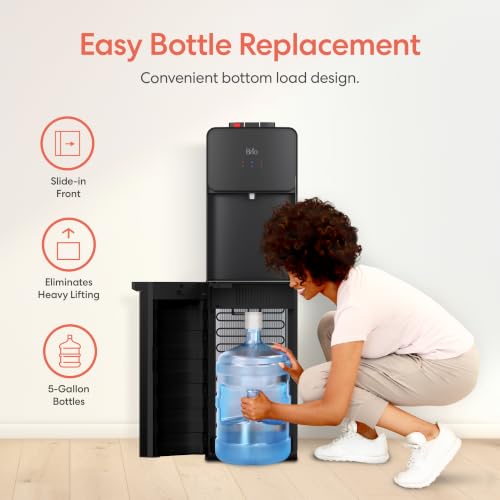
Start by choosing the water source that fits the space: top-load bottles are easy to understand but require lifting and overhead clearance, bottom-load designs reduce lifting, and bottleless coolers need a nearby cold-water line, shutoff access, tubing compatibility, and room for filters. For bottleless models, look for included hookup parts, a clear installation path, and leak-safe fittings; avoid any unit whose connection size, pressure range, or filter placement is vague for your plumbing. Owner feedback strongly supports this as a separator: buyers especially appreciated units that included the needed hookup parts and attached easily to a water line, and they also liked simple setups with no-spill bottle spikes and straightforward first use.
Temperature Control
Temperature is the core promise of a water cooler, and weak cooling or fading heat quickly makes the dispenser feel pointless. Capacity also matters because a cooler that works for one glass may not keep up when several people use it back to back.
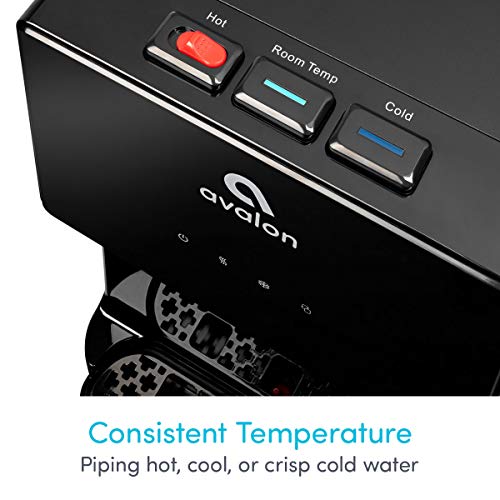
Check the stated hot and cold ranges, not just whether the cooler says “hot” and “cold.” For coffee, tea, or instant foods, the hot side should be genuinely hot and protected by a child-safety control; for cold drinking water, look for compressor cooling, enough cold-tank capacity for your household or office, and a design that does not warm up after repeated pours. Owner sentiment is split here: hot water is often reported as hot enough, but some cold sides are only cool rather than ice cold, and some units lose heating or cooling performance after extended use.
Reliability
A water cooler combines water, electricity, valves, tanks, and temperature control, so reliability problems can be more disruptive than with a simple dispenser. A durable unit should keep dispensing safely and consistently without freezing its own lines or losing core functions prematurely.
Prioritize a stable compressor system, accessible drain points, replaceable wear parts, and clear warranty coverage for the cooling and heating components. Watch for failure modes specific to water coolers: internal freezing that blocks dispensing, pumps or valves that stop moving water, leaks around bottle spikes or line fittings, and heating or cooling that quits after months of use. Owner feedback makes durability the main watch-out, with reports of units freezing internally or stopping dispensing around the end of the warranty period, and separate reports that temperature functions can degrade after extended use.
Filtration & Taste
Taste is one of the first things people notice after installation, and it depends on both water quality and the cooler’s internal cleanliness. Filter cost and availability matter because a low-maintenance cooler can become expensive or ineffective if cartridges are hard to find or skipped.
For bottleless coolers, do not treat “filtered” as one universal feature: check the filter type, what it is designed to reduce, certification claims, replacement interval, cartridge availability, and whether the unit can accept additional filtration if your tap water needs it. For bottled coolers, taste depends more on the water you buy, but the dispenser still needs hygienic tanks and easy cleaning so stale water does not affect flavor. Owner sentiment is conditional on this point: filtered water can taste good, but some buyers want extra filtration and note that replacement filters are not cheap, so long-term value depends on cartridge cost as much as the cooler itself.
Daily Use
Water coolers are used repeatedly by different people, so small usability details become important fast. Safer hot-water access, cleaner bottle changes, and intuitive controls help prevent spills, burns, and frustration.
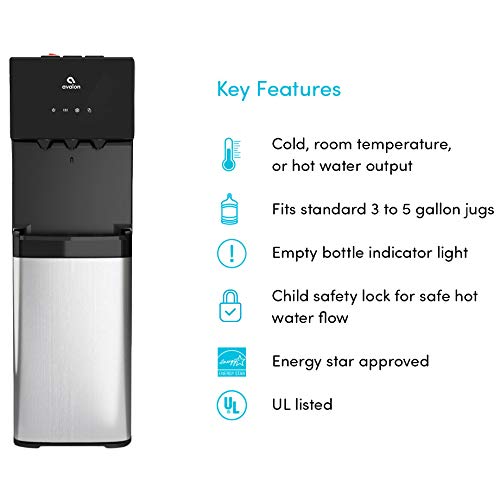
Look for controls that are obvious in dim light, a hot-water child lock, a no-spill bottle spike or secure line connection, enough cup clearance for bottles and mugs, and a drip tray that removes easily for cleaning. In shared spaces, simple indicators for heating, cooling, empty bottle, or filter replacement reduce misuse; in small homes or trailers, stable footing and low effort matter more than extra modes. Owners consistently value everyday simplicity, describing basic hot-and-cold dispensers as dependable for the core job and praising straightforward controls and no-spill loading features.
Fit & Value
A cooler that is too tall, too bulky, or unattractive for its location is less likely to be used happily every day. Total value is also tied to ongoing water, filter, and maintenance costs, especially when the cooler is meant to replace bottled water delivery or single-use bottles.
Match the cooler to the room before comparing extras: measure height with a bottle installed, door and cabinet clearance, floor footprint, rear ventilation space, and whether the design is acceptable for a kitchen, office, apartment, trailer, or visible break area. Value should include the cooler, bottles or filters, cleaning supplies, possible installation parts, and the cost of replacing consumables over time, not just the initial purchase. Owner feedback supports this balance: buyers liked units that looked good enough for visible spaces and often considered them a good value for homes, apartments, trailers, or offices, while filter replacement costs affected long-term value for some.
1,000,000+ shoppers use Buyer's Guide every week to find the best products and services online.

Helping millions of users make smarter purchases online.


