

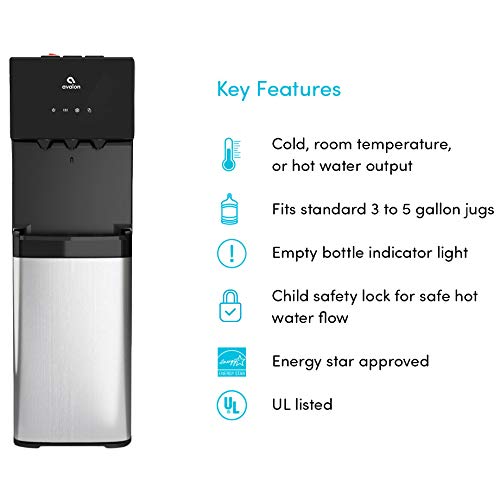


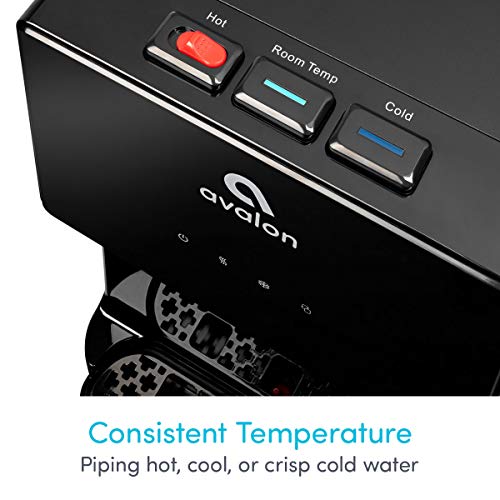



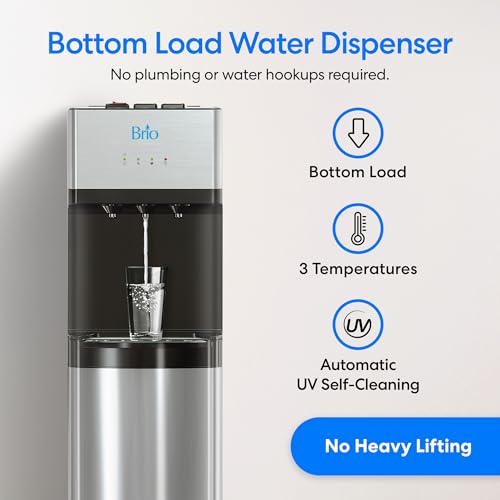


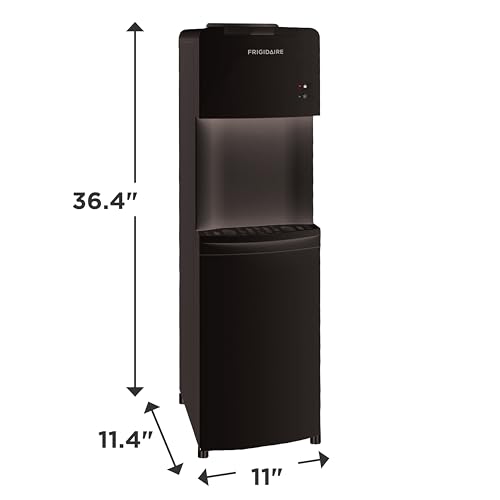



We also considered 10 others:


Our Top Choice
The order above is not editorial opinion, and it is not paid placement. It comes from what shoppers across our network actually do - which water cooler dispensers they compare, and which they ultimately buy. We re-rank as new data comes in, so the long-term favorites have to keep earning their spot against new entrants. The full method, including how we make money.
Water Cooler Dispensers Buyer's Guide
Water cooler dispensers are a tradeoff between convenience and infrastructure: bottled models avoid plumbing but require jug handling, while bottleless models remove deliveries and storage but depend on a reliable water-line and filter setup. The sharpest buying concerns are whether the unit actually delivers hot and cold water at the temperatures you expect, and whether its plumbing, tanks, and cooling system hold up without leaks, freezing, or early failure.
Water Source
A water cooler dispenser is only convenient if its water source matches the space. Bottled models trade plumbing work for jug handling, while bottleless models remove jug storage but depend on a clean, leak-free line connection and compatible filtration path.
Decide first between bottled and bottleless: top-load bottled units need safe lifting clearance and a no-spill spike, bottom-load units hide the jug but add a pump, and bottleless units need access to a cold-water line, shutoff valve, tubing route, and filter space. For bottleless installation, look for included fittings, clear line-size requirements, a leak-resistant connection method, and enough room behind the unit so tubing is not kinked; for bottled use, check bottle size compatibility and whether the bottle piercer seals cleanly. Owner feedback strongly supports prioritizing setup: buyers praised units that included the needed hookup parts and attached easily to a water line, and also liked simple bottled setup with a no-spill bottle spike.
Temperature
Hot and cold performance is the core reason to buy a dispenser instead of using a tap or pitcher. The right unit should heat safely for beverages and instant foods while chilling enough for drinking water without freezing its internal lines or tank.
Check the stated hot and cold temperature ranges, but also look at tank design, compressor cooling, thermostat control, rear ventilation clearance, and whether the cold side is adjustable. If you expect truly cold water in a warm office, garage, trailer, or busy kitchen, choose a model with adequate cold-tank capacity and avoid placing it tight against a wall or in direct heat; poor airflow can make water only mildly cool or contribute to cycling problems. Owner sentiment is split here: hot water is often described as hot enough, while cold water may be merely cool rather than ice cold, and some longer-term reports mention lost heating or cooling function or internal freezing.
Filtration
For bottleless coolers, the dispenser is also part of the home’s drinking-water treatment chain. Taste depends on the filter type, change interval, source water, and whether the unit can accept the level of filtration the household expects.
For bottleless models, verify what contaminants the included filter is meant to reduce, whether it uses standard or proprietary cartridges, the rated gallon life, and how easy it is to replace without spilling water. If your water has chlorine taste, sediment, hardness, or known local contaminants, plan the filtration setup before buying; some users may need a stronger inline filter, pre-filter, or separate under-sink system rather than relying only on the dispenser’s basic filter. Owner reports back this conditional approach: filtered water can taste good, but some buyers still wanted extra filtration, and replacement filters were noted as a meaningful ongoing cost.
Daily Use
A dispenser gets used many times a day, so small control and dispensing details matter more than they seem. Poor nozzle clearance, confusing buttons, weak flow, or unsafe hot-water access can turn an otherwise capable cooler into a daily annoyance.
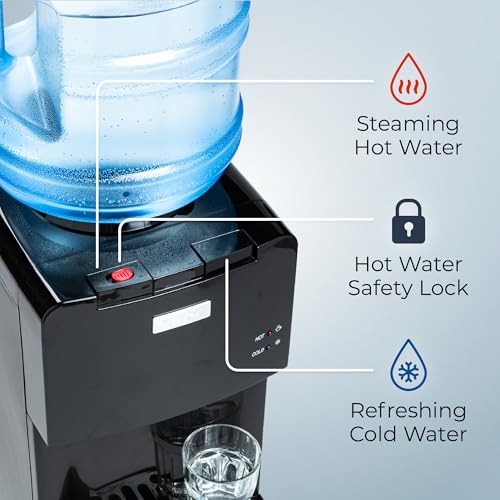
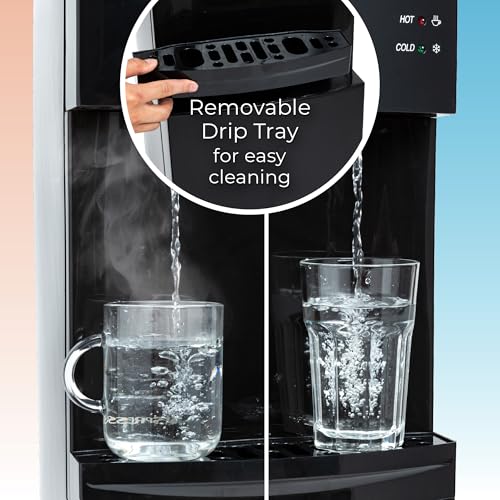
Look for separate, clearly marked hot and cold controls, a child-resistant hot-water lock, a stable cup platform, removable drip tray, enough nozzle height for tall bottles, and a flow rate that will not make filling a kettle or pitcher tedious. For top-load bottled units, a no-spill spike is especially important because it reduces splash during jug changes; for shared spaces, simple mechanical controls can be easier for guests, children, or office users than overly complex panels. Owner sentiment supports this dimension: buyers liked dispensers that handled the basic hot-and-cold job well, with straightforward controls and simple everyday operation.
Reliability
Water coolers combine plumbing, heating, cooling, and storage tanks, so failures can mean more than inconvenience. Durability matters because leaks, frozen lines, failed pumps, or dead heating and cooling systems can damage flooring and leave the unit unusable.
Favor sturdy cabinet construction, well-supported reservoirs, accessible drain points, replaceable filters or pumps, stable compressor ventilation, and clear warranty coverage for heating, cooling, and dispensing failures. Avoid units with flimsy bottle supports, poorly protected tubing, or layouts that make cleaning and leak checks difficult; periodically inspect fittings, drip trays, and rear lines, especially on bottleless units. Owner feedback makes durability the main watch-out: some units reportedly froze internally or stopped dispensing around the end of the warranty period, and other reports describe heating or cooling function declining after extended use.
Fit & Value
A water cooler often sits in a visible kitchen, office, apartment, trailer, or break room, so fit and appearance affect long-term satisfaction. Value is not only the upfront purchase; it also includes jug delivery or filter replacement, energy use, maintenance, and how well the format suits the location.
Measure height, width, depth, rear clearance, door swing, and bottle-loading space before choosing, especially if the dispenser will sit under cabinets, in a small apartment, or in a trailer. Match the format to the user: top-load models are simple but require lifting heavy jugs, bottom-load models reduce lifting visibility and effort, and bottleless models can look cleaner while eliminating jug storage if a water line is available. Owner sentiment points to this tradeoff: buyers appreciated good-looking units suitable for visible spaces and often described solid basic dispensers as a good value for homes, apartments, trailers, or offices, while the best value still depends on filtration and maintenance needs.
1,000,000+ shoppers use Buyer's Guide every week to find the best products and services online.

Helping millions of users make smarter purchases online.


